November 2008 in “Cancer Prevention Research” Chemoprevention can significantly lower cancer risks and needs more research and collaboration.
 June 2026 in “Pathology & Oncology Research”
 Scalp cooling helps prevent hair loss during certain breast cancer treatments, especially when anthracyclines aren't used.
January 2016 in “Refubium (Universitätsbibliothek der Freien Universität Berlin)” CAP7.1 is generally safe at 200 mg/m²/day, but can cause fatigue, nausea, hair loss, fever, and blood-related issues.
 3 citations
,
July 2019 in “Supportive Care in Cancer”
3 citations
,
July 2019 in “Supportive Care in Cancer” The lotion CG428 did not show effectiveness in treating permanent hair loss in breast cancer survivors.
1108 citations
,
January 2018 in “Dalton transactions” Platinum-based chemotherapy drugs can cause many severe side effects, often requiring dose reductions and additional medications to manage.
Alkylating agents can kill cancer cells but may cause skin and allergic reactions.
44 citations
,
May 2023 in “MedComm” PROTAC technology shows promise for cancer treatment but needs more effective E3 ligase recruiters.
March 2005 in “The Nurse Practitioner” 27 citations
,
January 2018 in “Drug Delivery” GC10/DOX hydrogel shows promise as an effective thyroid cancer treatment.
29 citations
,
January 2012 in “Chemical immunology/Fortschritte der Allergielehre/Progress in allergy/Chemical immunology and allergy” New cancer drugs often cause skin and nail problems.
8 citations
,
August 2018 in “BMJ Case Reports” Pazopanib treatment caused rapid hair color loss, possibly indicating its effectiveness.
January 2005 in “世界胃肠病学杂志:英文版(电子版)” Etoposide makes radiation therapy more effective against tumors without major side effects.
 34 citations
,
October 2021 in “Scientific Reports”
34 citations
,
October 2021 in “Scientific Reports” Nobiletin-loaded vesicles effectively treat skin cancer by restoring normal miRNA and antioxidant levels.
 50 citations
,
May 2019 in “Drugs”
50 citations
,
May 2019 in “Drugs” Cannabinoids may help treat chronic and chemotherapy-induced neuropathic pain, but more research is needed to confirm their effectiveness and safety.
 11 citations
,
May 2010 in “Journal of Medicinal Chemistry”
11 citations
,
May 2010 in “Journal of Medicinal Chemistry” A new compound was created in 2010 that can control oil production when applied to the skin, and its effects are completely reversible after two weeks.
1 citations
,
May 2022 in “The FASEB journal” The document concludes that biotin, folate, and RGD peptides are promising for targeting cancer cells with prodrugs, but the conjugates are not yet tested for use.
November 2019 in “British Journal of Dermatology” FOL-005 peptide may help treat excessive hair growth safely.
 April 2023 in “The journal of investigative dermatology/Journal of investigative dermatology”
 Prostaglandin E2 helps prevent hair loss from radiotherapy by protecting hair growth cells and aiding self-repair.
7 citations
,
January 2020 in “Dermatology online journal” An adult with a rare skin condition improved with tazarotene treatment.
 January 2019 in “Przegląd Dermatologiczny”
 Chemotherapy with docetaxel can cause painful nail and skin side effects that may lead to stopping treatment.
5 citations
,
June 2024 in “Pharmacological Research” FOL-026 peptide may help hair growth and cardiovascular health by improving blood flow and cell functions.
January 2025 in “Regenerative Biomaterials” The cerium-polypeptide hydrogel effectively heals drug-resistant bacterial wounds by fighting bacteria, reducing inflammation, and promoting tissue repair.
20 citations
,
May 2023 in “Cancer Nanotechnology” The new drug delivery system effectively targets lung cancer cells.
 June 2011 in “Oncology times”
 Dr. Mario Lacouture recommends preventive and specific treatments for skin side effects caused by EGFR inhibitors to improve patients' quality of life.
 6 citations
,
January 2012 in “Indian Journal of Endocrinology and Metabolism”
6 citations
,
January 2012 in “Indian Journal of Endocrinology and Metabolism” Old drugs are often used for new, different medical purposes in endocrine pharmacology.
78 citations
,
May 2019 in “Frontiers in Cellular and Infection Microbiology” DPK-060 in poloxamer gel effectively treats skin infections, but nanocarriers don't enhance its efficacy.
52 citations
,
February 2009 in “Journal of the American Academy of Dermatology” A 93-year-old woman developed a rare scalp condition after therapy, which improved with steroids, not antibiotics.
January 2025 in “Archives of Dermatological Research” 1 citations
,
October 2019 in “Journal of Thoracic Oncology” Chemotherapy adds to, but doesn't enhance, the effects of immunotherapy in lung cancer treatment.
 January 2017 in “Brazilian Journal of Pharmaceutical Sciences”
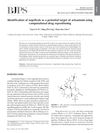
 Arteannuin might work against cancer and Alzheimer's by targeting neprilysin.