20 citations
,
January 2024 in “Journal of the European Academy of Dermatology and Venereology” Baricitinib is the most effective treatment for alopecia areata.
30 citations
,
August 1984 in “Archives of Dermatology” Antiandrogen therapy, like cyproterone acetate, effectively treats acne, hirsutism, and hair loss.
January 2004 in “Elsevier eBooks” Anti-androgen drugs can treat conditions like prostate cancer and male pattern baldness by blocking effects of testosterone and DHT.
 1 citations
,
July 2025 in “SKIN The Journal of Cutaneous Medicine”
1 citations
,
July 2025 in “SKIN The Journal of Cutaneous Medicine” Ritlecitinib is effective and safe for long-term treatment of alopecia areata.
 January 1982 in “Side effects of drugs annual”
 High doses of certain vitamins can cause serious side effects and health risks.
6 citations
,
January 2024 in “International Journal of Dermatology” Monoclonal antibodies are often linked to alopecia areata cases.
 January 2017 in “Clinical approaches and procedures in cosmetic dermatology”
 Retinoids are effective for skin conditions like severe acne and psoriasis but must be used with caution due to potential side effects and risks during pregnancy.
5 citations
,
March 2023 in “PubMed” Advanced therapy medicinal products show promise for vitiligo treatment with fewer side effects, but affordability is a challenge.
47 citations
,
January 2003 in “Current opinion in urology” A new drug, dutasteride, is at least as effective as the older drug, finasteride, for treating enlarged prostate and may have additional uses.
June 2025 in “British Journal of Dermatology” Dual-targeting therapies like Janus kinase inhibitors may treat both alopecia areata and other immune diseases.
 April 2024 in “JEADV clinical practice”
 Upadacitinib significantly improved both rheumatoid arthritis and alopecia areata in a patient.
January 2026 in “Clinical and Experimental Dermatology” Ruxolitinib helped a patient with alopecia areata regrow hair.
 10 citations
,
September 2014 in “European Journal of Dermatology”
10 citations
,
September 2014 in “European Journal of Dermatology” A woman's hair loss worsened after starting hepatitis C treatment due to immune changes in her hair follicles.
6 citations
,
September 2013 in “Journal of Evolution of Medical and Dental Sciences” Low CD4 counts in HIV patients are linked to more skin disorders.
 October 2022 in “Revista Eletrônica Acervo Médico”
 5-Alpha-Reductase Inhibitors can cause negative side effects.
 April 1992 in “Current opinion in therapeutic patents”
 New steroids were patented as effective for treating acne, hair loss, and other conditions related to hormones.
 October 2004 in “Australian Prescriber”
 Lifestyle changes are more effective than medication for reducing type 2 diabetes risk.
 15 citations
,
February 2019 in “Journal of clinical medicine”
15 citations
,
February 2019 in “Journal of clinical medicine” Atorvastatin reversed memory problems caused by cancer drug trastuzumab and improved its cancer-fighting abilities without causing hair loss.
December 2025 in “International Journal of Innovative Technologies in Social Science” Oral supplements like Vitamin E and Omega-3 can help reduce isotretinoin side effects.
 1 citations
,
April 2017 in “Drugs & Therapy Perspectives”
1 citations
,
April 2017 in “Drugs & Therapy Perspectives” Use antiandrogens and other treatments for hair loss.
Combining dutasteride or finasteride with an α1 blocker is more effective for managing BPH than using either alone.
 August 2024 in “Asian Journal of Research in Chemistry”
 Repurposing existing drugs can improve cancer treatment but faces challenges.
6 citations
,
June 2009 in “Journal of Clinical Oncology” 5-α-reductase inhibitors don't prevent prostate cancer but may reduce unnecessary biopsies.
 December 2023 in “Journal of Ayub Medical College Abbottabad”
 Ritlecitinib effectively treats alopecia areata in patients 12 and older with fewer side effects.
November 2023 in “Journal of Pakistan Society of Internal Medicine.” Methotrexate is effective for rheumatoid arthritis but can cause side effects.
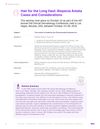 December 2025 in “Dermatology The American Medical Journal”
 JAK inhibitors are effective for long-term management of alopecia areata.
 March 2026 in “American Journal of Clinical Dermatology”
 Ritlecitinib is effective and safe for long-term use in treating severe alopecia areata in people aged 12 and older.
April 2017 in “The journal of investigative dermatology/Journal of investigative dermatology” Topical Vorinostat shows promise for treating alopecia areata by promoting hair regrowth.
 February 1999 in “Drugs in R & D”
 The document concludes that various drugs for men's health issues are in development, with treatments for sexual dysfunction and prostate conditions being the most advanced.
 October 2004 in “Australian Prescriber”
 Lifestyle changes are more effective than medication for reducing type 2 diabetes risk.