16 citations
,
December 2001 in “The Journal of Dermatology” A woman recovered from hair loss and skin eruptions after stopping a tuberculosis drug and using steroids.
 11 citations
,
June 2011 in “Expert Review of Dermatology”
11 citations
,
June 2011 in “Expert Review of Dermatology” Skin reactions to drugs are common and can be deadly, usually requiring stopping the drug and may be better prevented with genetic testing in the future.
 January 2021 in “Acta Scientiae Veterinariae”
 Levothyroxine effectively treated a dog's skin and hair problems caused by hypothyroidism.
 20 citations
,
August 1987 in “Journal of steroid biochemistry/Journal of Steroid Biochemistry”
20 citations
,
August 1987 in “Journal of steroid biochemistry/Journal of Steroid Biochemistry” Aldactone was more effective in reducing hair growth in women with hirsutism than Diane, despite having less impact on hormone levels.
November 2025 in “Journal of Investigative Dermatology” Dithranol reduces inflammation in alopecia areata by lowering certain immune responses.
 February 2026 in “Indian Journal of Dermatology”
 Upadacitinib may effectively treat twenty-nail dystrophy without causing pain.
 1 citations
,
June 2021 in “Journal of dermatology and dermatitis”
1 citations
,
June 2021 in “Journal of dermatology and dermatitis” Tyrosine kinase inhibitors show promise in treating some skin diseases but their definitive role in dermatology is still unclear.
5 citations
,
March 2021 in “Hepatitis Monthly” Tenofovir alafenamide fumarate is effective and safer for hepatitis B, with fewer side effects than tenofovir disoproxil fumarate.
2 citations
,
February 2025 in “Archives of Dermatological Research” Baricitinib is a safe and effective alternative for alopecia areata patients who do not respond to tofacitinib.
Intramuscular injection of 131I is a safe and effective way to induce hypothyroidism in rats without harming muscle tissue.
 115 citations
,
August 2008 in “The Journal of Clinical Endocrinology & Metabolism”
115 citations
,
August 2008 in “The Journal of Clinical Endocrinology & Metabolism” Thyroid hormones help hair grow, reduce hair loss, and increase hair pigment.
 3 citations
,
January 2024 in “Liver International”
3 citations
,
January 2024 in “Liver International” Targeting thyroid hormone receptor α in liver cells may help treat liver fibrosis.
 March 2020 in “Section 5: Patient safety and quality assurance”
 Tofacitinib and baricitinib had an acceptable level of side effects in rheumatoid arthritis patients.
 44 citations
,
June 1985 in “Fertility and sterility”
44 citations
,
June 1985 in “Fertility and sterility” Combination drug therapy is effective for hirsutism that doesn't improve with just one medication.
November 2023 in “Journal of Pakistan Society of Internal Medicine.” Methotrexate is effective for rheumatoid arthritis but can cause side effects.
 March 2024 in “International Journal of Dermatology”
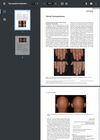
 Baricitinib improved nail condition and hair regrowth in a patient with alopecia and nail abnormalities.
155 citations
,
December 2002 in “Journal of Investigative Dermatology” Thyroid-related genes are active in skin cells and may affect autoimmune conditions.
January 2026 in “Annals of Dermatology” Alitretinoin may help treat mild to moderate alopecia areata.
 9 citations
,
October 2019 in “Dermatologic Therapy”
9 citations
,
October 2019 in “Dermatologic Therapy” Oral tofacitinib has a moderate success rate and is generally safe for treating hair loss in some patients.
19 citations
,
January 1993 in “Dermatologic Clinics”  2 citations
,
January 2014 in “Türkiye klinikleri tıp bilimleri dergisi”
2 citations
,
January 2014 in “Türkiye klinikleri tıp bilimleri dergisi” Thyroid autoimmunity may be involved in some female hair loss, suggesting the need to test for thyroid antibodies in these patients.
 November 2025 in “Turkish Journal of Dermatology”
 Both baricitinib and tofacitinib effectively reduce alopecia areata severity, with tofacitinib showing more improvement over longer use.
 October 2024 in “Journal of the European Academy of Dermatology and Venereology”
 Ritlecitinib and baricitinib are similarly effective for hair regrowth in severe alopecia areata.
 January 2015 in “International Journal of Research in Medical Sciences”
 A patient with HAIR-AN syndrome, PCOS, and Hashimoto's thyroiditis improved with early diagnosis and treatment to prevent serious health problems.
 March 2025 in “Journal of the European Academy of Dermatology and Venereology”
 Baricitinib effectively reduces hair loss in alopecia areata and is well-tolerated.
3 citations
,
January 2018 in “Frontiers in bioscience” Daily subcutaneous testosterone effectively restores testosterone levels in men.
39 citations
,
June 2019 in “Frontiers in Endocrinology” Lenvatinib and sorafenib are generally safe but need dose adjustments due to side effects.
March 2025 in “World Journal of Meta-Analysis” Nutritional changes, like fixing nutrient deficiencies and following anti-inflammatory diets, can improve life quality for people with Hashimoto's thyroiditis.
61 citations
,
June 2010 in “Journal of the European Academy of Dermatology and Venereology” Anti-TNF-α therapy may increase the risk of developing alopecia areata, especially in those with a history of autoimmune disease.
Thyroid disorders include hypothyroidism, causing fatigue and weight gain, and hyperthyroidism, causing weight loss and anxiety.