 7 citations
,
October 2022 in “Expert opinion on emerging drugs”
7 citations
,
October 2022 in “Expert opinion on emerging drugs” New drugs for alopecia areata show promise but aren't universally effective, and hair loss often returns after stopping treatment.
 1 citations
,
January 2010 in “Elsevier eBooks”
1 citations
,
January 2010 in “Elsevier eBooks” Any drug can cause skin reactions, but antibiotics, NSAIDs, and psychotropic drugs are more common, with some reactions being life-threatening.
 24 citations
,
May 1982 in “Biochemical Pharmacology”
24 citations
,
May 1982 in “Biochemical Pharmacology” These drugs cause hair growth without affecting testosterone or adrenal hormones.
March 1957 in “Archives of Dermatology” The treatments tried did not work for her alopecia areata.
 January 2026 in “Zenodo (CERN European Organization for Nuclear Research)”
 LX-38 is a safer drug option for hair loss and prostate issues without hormonal side effects.
May 2024 in “Reactions weekly”  June 2024 in “Australasian Journal of Dermatology”
 Tofacitinib is safe and effective for treating moderate-to-severe alopecia areata.
 June 2024 in “Archives of Medical Science”
 Telitacicept effectively improved hair regrowth in a woman with lupus and alopecia.
32 citations
,
December 1963 in “Pharmacological Reviews” Some drugs can cause hair loss and skin issues.
 June 2020 in “Journal of Investigative Dermatology”
 Getting insurance to cover the hair loss treatment tofacitinib is hard because it's not officially approved for that use.
1 citations
,
January 2018 in “CHEST Journal” Thyroid dysfunction can cause heart issues, and bedside ultrasound helps diagnose cardiac arrest causes.
 5 citations
,
February 2024 in “Clinical Pharmacokinetics”
5 citations
,
February 2024 in “Clinical Pharmacokinetics” A 50 mg daily dose of ritlecitinib is effective for alopecia areata, with temporary treatment breaks up to 6 weeks not affecting results.
 March 2026 in “Journal of Pakistan Association of Dermatologists”
 Tofacitinib helps hair regrowth in alopecia areata but relapse is common after stopping treatment.
2 citations
,
May 2017 in “Journal of the American Academy of Dermatology” Tofacitinib helped a 19-year-old regrow hair after other treatments failed.
 January 2026 in “Zenodo (CERN European Organization for Nuclear Research)”
 LX-38 is a safer drug option for treating prostate issues and hair loss without hormonal side effects.
 2 citations
,
July 2007 in “Cancer biology & therapy”
2 citations
,
July 2007 in “Cancer biology & therapy” Bexxar is highly effective as a first treatment for non-Hodgkin's lymphoma, with most patients alive and many in remission after eight years.
2 citations
,
March 2010 in “Acta Biochimica Polonica” Raltitrexed conjugates are less potent than the free drug but more effective at high concentrations.
October 2023 in “The Open Dermatology Journal” Baricitinib is effective for severe alopecia areata with manageable side effects, mainly upper respiratory infections.
 54 citations
,
February 1986 in “Archives of Dermatology”
54 citations
,
February 1986 in “Archives of Dermatology” Higher minoxidil concentration (5%) works better for severe hair loss, with most patients seeing regrowth in 48-60 weeks.
 53 citations
,
May 2010 in “Dermatologic Surgery”
53 citations
,
May 2010 in “Dermatologic Surgery” Hair transplantation may not work for Frontal Fibrosing Alopecia as transplanted hair was lost when the disease came back.
 1 citations
,
January 2014 in “The Journal of Dermatology”
1 citations
,
January 2014 in “The Journal of Dermatology” A patient with Ivemark syndrome developed mixed type vitiligo after a hepatitis C infection, showing different treatment responses and immune cell involvement in the skin.
 January 2010 in “Journal of The American Academy of Dermatology”
 The document provided instructions for completing a CME exam on diagnosing and managing hair loss.
 October 2025 in “Dermatology and Therapy”
 Ritlecitinib is being tested for effectiveness and safety in treating severe alopecia areata.
May 2025 in “CPT Pharmacometrics & Systems Pharmacology” A 50 mg non-loading dose of ritlecitinib is safe for adults and adolescents.
 February 2016 in “The journal of investigative dermatology/Journal of investigative dermatology”
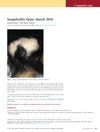
 JAK inhibitors may help treat alopecia areata by reversing hair loss.
1 citations
,
April 2018 in “Journal of Investigative Dermatology” Simvastatin helps hair regrowth in autoimmune alopecia by directly affecting T cells.
111 citations
,
April 2000 in “British journal of dermatology/British journal of dermatology, Supplement” Thyroid hormone receptor β1 is found in human hair follicles and helps them survive.
 1 citations
,
October 2022 in “international journal of endocrinology and metabolism”
1 citations
,
October 2022 in “international journal of endocrinology and metabolism” People with hypothyroidism and hair loss often have more hair and scalp issues than those without thyroid problems.
 18 citations
,
October 1984 in “International Journal of Dermatology”
18 citations
,
October 1984 in “International Journal of Dermatology” Lithium therapy may cause temporary hair loss, with possible regrowth if treatment is stopped or continued.
 2 citations
,
January 2020 in “Einstein (São Paulo)”
2 citations
,
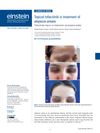
January 2020 in “Einstein (São Paulo)” Topical tofacitinib shows promise as a future treatment for alopecia areata.