 9 citations
,
January 2001 in “Dermatology”
9 citations
,
January 2001 in “Dermatology” Pili anulati may cause hair loss, proper diagnosis and treatment needed.
10 citations
,
January 2023 in “SAGE Open Medical Case Reports” Upadacitinib may effectively treat both alopecia universalis and Crohn's disease.
 December 2024 in “JURNAL ANALIS LABORATORIUM MEDIK”
 Diabetic wounds heal slower than healthy wounds.
January 2026 in “Clinical and Experimental Dermatology” Ruxolitinib helped a patient with alopecia areata regrow hair.
55 citations
,
October 2015 in “Journal of Investigative Dermatology” Alopecia areata is linked to immune-related genes, suggesting JAK inhibitors as a potential treatment.
Acupuncture and herbal treatments effectively reduced hair loss in androgenetic alopecia.
 August 2023 in “Journal of inflammation research”
 An elderly Chinese man lost all his hair after taking a new heart medication.
Upadacitinib and oral minoxidil improved Crohn's disease and hair regrowth in a patient.
 2 citations
,
March 2024 in “Meditsinskiy sovet = Medical Council”
2 citations
,
March 2024 in “Meditsinskiy sovet = Medical Council” JAK inhibitors effectively treat severe atopic dermatitis and alopecia areata.
October 2024 in “The American Journal of Gastroenterology” Upadacitinib improved both Crohn's ileitis and alopecia universalis in a patient.
 December 2022 in “Jurnal Kesehatan Jompa”
 AAG causes hair loss in many people, with limited treatments like finasteride, minoxidil, light therapy, and hair transplants.
 June 2025 in “Patient Preference and Adherence”
 Chinese patients with alopecia areata value JAK inhibitors but worry about side effects and relapse, highlighting the need for education and support.
3 citations
,
April 2024 in “International Journal of Women’s Dermatology” Access to JAK inhibitor therapy for alopecia areata patients is difficult, especially for racial minorities.
January 2021 in “Skin Appendage Disorders” 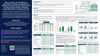 November 2025 in “SKIN The Journal of Cutaneous Medicine”
 Upadacitinib effectively treats severe alopecia areata and is safe.
26 citations
,
September 2009 in “Clinical genetics” Arab APS1 patients have unique and recurrent AIRE gene mutations.
November 2025 in “Biomedicines” JAK1 inhibitors can help reduce itchiness in atopic dermatitis.
 November 2025 in “DOAJ (DOAJ: Directory of Open Access Journals)”
 The choice between belimumab and anifrolumab for treating lupus depends on the patient's specific symptoms.
 15 citations
,
January 2018 in “Annals of Dermatology”
15 citations
,
January 2018 in “Annals of Dermatology” Wigs significantly improve the well-being of people with severe hair loss.
4 citations
,
October 2024 in “Journal of the American Academy of Dermatology” Abrocitinib may help treat alopecia areata effectively with mild side effects.
 26 citations
,
June 2018 in “The journal of immunology/The Journal of immunology”
26 citations
,
June 2018 in “The journal of immunology/The Journal of immunology” AIRE-deficient rats developed severe autoimmune disease similar to APECED, useful for testing treatments.
 June 2025 in “International Journal of Research and Review”
 Unani medicine offers a natural, effective approach to treating hair loss with minimal side effects, but needs more scientific validation.
April 2025 in “Anais Brasileiros de Dermatologia” Abrocitinib effectively treats severe alopecia areata with significant improvement and no side effects.
 March 2024 in “Clinical, cosmetic and investigational dermatology”
 Upadacitinib may effectively treat alopecia areata without side effects.
 January 2014 in “IOSR journal of pharmacy”
 Adalimumab can cause complete hair loss in rare cases.