 October 2025 in “Clinical Cosmetic and Investigational Dermatology”
 Targeting specific cell interactions may help treat skin fibrosis.
1 citations
,
July 2025 in “Frontiers in Genetics” FilaggrinHigh melanomas have active FGFR signaling and weak GNA14 and Th1 signatures.
9 citations
,
August 2021 in “Biomedicines” 17β-estradiol boosts APE1/Ref-1 secretion in cells and mice via a calcium-dependent pathway.
June 2010 in “Chinese Journal of Dermatology” A new gene mutation is linked to monilethrix in the studied family.
November 2025 in “The Journal of Dermatology” Nemolizumab improved both severe atopic dermatitis and alopecia areata in one patient.
 July 2021 in “Research Square (Research Square)”
 Semecarpus anacardium leaf extract fights breast cancer and extends survival in mice.
 November 2023 in “Scientific reports”
 The research identified and described a gene important for hormone conversion in endangered catfish, which varies in activity during different reproductive stages and after hormone treatment.

Inhibiting AP-1 changes skin tumor types and affects tumor cell identity.
The study identified a key protein involved in producing underarm odor and found ways to inhibit it.
 11 citations
,
March 2014 in “Journal of The European Academy of Dermatology and Venereology”
11 citations
,
March 2014 in “Journal of The European Academy of Dermatology and Venereology” Hair loss gene linked to prostate issues.
1 citations
,
September 2025 in “JAAD reviews.” Janus kinase inhibitors are effective for severe alopecia areata, promoting hair regrowth.
18 citations
,
January 2013 in “Evidence-based Complementary and Alternative Medicine” Aconiti Lateralis Preparata Radix helps mouse stem cells grow and turn into bone cells faster than usual methods.
29 citations
,
February 2001 in “Proceedings of the National Academy of Sciences” A specific DNA region controls skin cell gene expression by working with certain proteins.
 9 citations
,
March 2009 in “Psychoneuroendocrinology”
9 citations
,
March 2009 in “Psychoneuroendocrinology” Certain gene variations are linked to better memory in healthy Chinese women.
 58 citations
,
June 2018 in “Scientific reports”
58 citations
,
June 2018 in “Scientific reports” Researchers found 15 new genetic links to skin traits in Japanese women.

Alopecia areata is an autoimmune disease affecting hair follicles and may harm heart health.
7 citations
,
July 2019 in “Animals” The KRTAP21-1 gene affects wool yield and can help improve wool production.
 5 citations
,
October 2016 in “Experimental Dermatology”
5 citations
,
October 2016 in “Experimental Dermatology” Activin A is important for creating new hair follicles.
November 2022 in “Journal of Investigative Dermatology” ILC1-like cells can cause alopecia areata by affecting hair follicles.
118 citations
,
January 1992 in “Experientia” 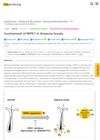
RIPK1 inhibitors might help prevent alopecia areata.
 April 2023 in “Journal of Investigative Dermatology”
 SOX2 helps reduce wound size and pressure ulcer formation by suppressing oxidative stress and increasing antioxidant activity in mice.
 81 citations
,
February 2019 in “Experimental & Molecular Medicine”
81 citations
,
February 2019 in “Experimental & Molecular Medicine” PAK4 is crucial in cancer progression, brain development, and could be a therapeutic target, especially through the PAK4-CREB axis.
 36 citations
,
November 2018 in “BMC plant biology”
36 citations
,
November 2018 in “BMC plant biology” ROXY proteins help plants respond to nitrate shortage by affecting nutrient sensing and growth.
4 citations
,
February 2023 in “Research Reports in Clinical Cardiology” Certain genes and high cholesterol levels increase heart disease risk in Ethiopian patients with high blood pressure.
6 citations
,
June 2023 in “Experimental Dermatology” Targeting mitophagy may help treat alopecia areata by reducing inflammasome activation.
 July 2025 in “New Phytologist”
 MLO proteins help regulate calcium and ROS levels, promoting root hair growth in Arabidopsis.
 November 2023 in “British Journal of Dermatology”
 Mutations in the WNT10A gene cause Short Anagen Hair syndrome and increase the risk of male pattern hair loss.
 17 citations
,
July 2017 in “Molecular and Cellular Endocrinology”
17 citations
,
July 2017 in “Molecular and Cellular Endocrinology” Effective treatments for spinal and bulbar muscular atrophy are not yet available; more research is needed.
4 citations
,
July 2022 in “The Journal of Clinical Endocrinology & Metabolism” A specific genetic mutation causes POMC deficiency, leading to symptoms like weight gain and red hair.