2 citations
,
April 2023 in “Polymers” The study created 3D-printed pills that effectively release a hair loss treatment drug over 24 hours.
43 citations
,
December 1988 in “International Journal of Bio-Medical Computing”  38 citations
,
July 1989 in “Archives of dermatological research”
38 citations
,
July 1989 in “Archives of dermatological research” Testosterone causes hair loss in AGA mice, which are good for testing baldness treatments, and both minoxidil and cyproterone acetate can prevent this hair loss.
 May 2017 in “bioRxiv (Cold Spring Harbor Laboratory)”
 The peach gene pCTG134 helps control the interaction between auxin and ethylene hormones during fruit ripening.
March 2011 in “Pigment Cell & Melanoma Research” The Agouti gene influences pigmentation and may have a developmental role in deer mice.
January 2014 in “cIRcle (University of British Columbia)” Photoacoustic imaging can detect prostate brachytherapy seeds better with enhanced contrast methods, but depth limits remain.
 13 citations
,
June 2015 in “International Journal of Dermatology”
13 citations
,
June 2015 in “International Journal of Dermatology” Non-obese women with hair loss have higher heart disease risk.
 September 2024 in “Health Sciences”
 Androgenic alopecia can be treated with minoxidil, finasteride, and hormonal therapy.
 6 citations
,
February 2025 in “Scientific Reports”
6 citations
,
February 2025 in “Scientific Reports” MEGA PROTAC improves prediction and ranking of protein complexes better than existing methods.
June 2023 in “Australasian Journal of Dermatology” Australian dermatologists are updating their prescriptions for male pattern baldness.
4 citations
,
May 2018 in “Türk pediatri arşivi : İstanbul çocuk kliniği dergisi” Oral retinoic acid effectively treated collodion baby, with hair loss as the main side effect.
 March 2023 in “JAAD case reports”
 A new genetic change in the keratin 10 gene caused a skin condition called ichthyosis hystrix in a father and his daughter.
October 2020 in “Pediatrics in Review” The newborn was diagnosed with a rare skin disorder causing blisters, which requires careful wound care and family support.
5 citations
,
September 2024 in “Biomolecules and Biomedicine” Total glucosides of paeony may help treat alopecia areata by reducing inflammation and hair loss.
August 2025 in “Bioactive Materials” Ac-GFFY-IGF peptide is a promising, safe, and effective treatment for hair loss, better than current options.
 July 2026 in “International Journal of Advanced Research in Science Communication and Technology”
 BaldGraphFormer accurately predicts early baldness, aiding better hair loss treatment.
September 2019 in “Human Andrology” Higher serum androgens contribute to male pattern baldness.
3 citations
,
October 2021 in “Clinical, Cosmetic and Investigational Dermatology” Setipiprant did not significantly improve hair growth in men with hair loss.
 September 2022 in “Journal of The American Academy of Dermatology”
 Baricitinib was effective in regrowing eyebrow and eyelash hair in patients with severe alopecia areata.
August 2020 in “Benha Journal of Applied Sciences” Higher FABP4 levels may help diagnose androgenetic alopecia early.
June 2026 in “Journal of Pharmaceutical Innovation”  3 citations
,
January 2005 in “Biological & Pharmaceutical Bulletin”
3 citations
,
January 2005 in “Biological & Pharmaceutical Bulletin” The peptide GPIGS helps hair cells grow and speeds up hair regrowth in mice.
 December 2025 in “Naunyn-Schmiedeberg s Archives of Pharmacology”
 Agomelatine may help reduce benign prostatic hyperplasia by blocking certain inflammatory pathways.
 8 citations
,
November 2017 in “Journal of Investigative Dermatology”
8 citations
,
November 2017 in “Journal of Investigative Dermatology” AGA linked to inflammation, stress, fibrosis, and disturbed hair follicle stem cells.
 4 citations
,
April 2016 in “Experimental Dermatology”
4 citations
,
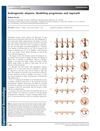
April 2016 in “Experimental Dermatology” AGA causes hair loss through follicle miniaturization and hair cycle changes; regrowth depends on anagen initiation in kenogen follicles.
 February 2026 in “Archives of Dermatological Research”
 Microneedle-delivered polyglutamate effectively and safely improves hair growth in androgenetic alopecia.
November 2025 in “OPAL (Open@LaTrobe) (La Trobe University)” Androgenetic alopecia negatively impacts mental health, suggesting a need for psychological support in treatment.
3 citations
,
May 2025 in “Carbohydrate Polymers” The new microneedle patch effectively treats alopecia areata with fewer side effects than oral medication.
July 2026 in “Journal of the American Academy of Dermatology” 1 citations
,
December 2011 in “Arzneimittelforschung” The method accurately measures cyproterone acetate in plasma, showing no significant difference between two formulations.