 April 2018 in “Journal of Investigative Dermatology”
 High amphiregulin in the skin is a bad sign for acute graft-versus-host disease.
 7 citations
,
July 2013 in “International Journal of Dermatology”
7 citations
,
July 2013 in “International Journal of Dermatology” No link found between Coxsackie viruses and pemphigus.
 February 2023 in “Vlaams dierengeneeskundig tijdschrift”
 Two young cats with a severe ear and skin condition improved with immune system-targeting treatments.
 1 citations
,
June 2023 in “Dermatology and therapy”
1 citations
,
June 2023 in “Dermatology and therapy” People with Alopecia Areata have more herpes simplex infections but similar rates of cancer, blood clots, and heart disease compared to those without it.
3 citations
,
January 2025 in “JID Innovations” Hidradenitis suppurativa tunnels worsen the disease and often need surgery because current treatments are not very effective.
9 citations
,
February 2002 in “International Journal of Dermatology” The patient's symptoms improved with treatment but recurred when the steroid dose was reduced, requiring ongoing therapy.
July 1974 in “Archives of Dermatology” Ultraviolet light treatment with trioxsalen was ineffective for vitiligo in the cases described.
 May 2020 in “JOJ Dermatology & Cosmetics”
 A rare skin condition usually on the face was found on a man's heel.
 3 citations
,
January 2022 in “Medical Mycology Journal”
3 citations
,
January 2022 in “Medical Mycology Journal” Malassezia fungi in healthy noses can form a "spaghetti-and-meatballs" structure.
2 citations
,
June 2016 in “Oral Surgery Oral Medicine Oral Pathology and Oral Radiology” Oral lichen planus can appear before lichen planopilaris.
August 2024 in “Skin Research and Technology” TAF can be identified by excessive skin thickening and clogged hair follicles, helping distinguish it from similar skin conditions.
March 2004 in “Journal of Investigative Dermatology” Razor bumps are linked to a genetic variant, misoprostol helps erythromelalgia pain, steroid ointments don't affect skin rhythms, and certain antibodies are common in localized scleroderma.
5 citations
,
November 1979 in “Archives of dermatology” Tretinoin cream successfully treated a woman's skin condition called Fox-Fordyce disease.
 February 2023 in “Research Square (Research Square)”
 Genetic testing confirmed a rare skin disorder in a young girl, which improved with zinc supplementation.
11 citations
,
November 2018 in “British Journal of Dermatology” Oxymetazoline cream 1.0% effectively reduces rosacea redness, and using baseline photos improves assessment accuracy.
1 citations
,
June 2006 in “Experimental dermatology” Acetylcholine receptors might be involved in the development of acne inversa and smoking could worsen the condition.
 1 citations
,
September 2022 in “Nepal journal of dermatology, venereology & leprology”
1 citations
,
September 2022 in “Nepal journal of dermatology, venereology & leprology” Apremilast shows promise for several skin conditions but needs more research.
 3 citations
,
January 2019 in “Annals of Dermatology”
3 citations
,
January 2019 in “Annals of Dermatology” The study concluded that careful examination is key to differentiate between lipidized fibrous histiocytoma and juvenile xanthogranuloma.
 April 2025 in “Dermatology Practical & Conceptual”
 UV-enhanced trichoscopy helps diagnose hair shaft disorders like pili annulati.
19 citations
,
November 1985 in “Archives of Dermatology” The newborn's skin blisters healed without scarring, leaving some light spots, and stopped forming after four months.
 6 citations
,
April 2012 in “Lasers in surgery and medicine”
6 citations
,
April 2012 in “Lasers in surgery and medicine” Laser hair removal can cause a severe itchy rash in some allergic individuals, treatable with steroids.
November 2023 in “Journal of Investigative Dermatology” EGFR-targeted cancer therapy can cause skin issues starting at hair follicles, leading to inflammation.
 23 citations
,
September 2017 in “Journal of the American Academy of Dermatology”
23 citations
,
September 2017 in “Journal of the American Academy of Dermatology” Apremilast did not work for treating severe alopecia areata.
19 citations
,
January 2022 in “Journal of Nanomaterials” NH-Tween-80 is a promising stable gel for treating acne.
 22 citations
,
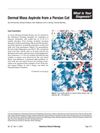
December 2003 in “Veterinary clinical pathology”
22 citations
,
December 2003 in “Veterinary clinical pathology” The Persian cat has a skin infection caused by a fungus, treatable with antifungal medication.
2 citations
,
January 2016 in “Journal of clinical & experimental dermatology research” Acrodermatitis Enteropathica is a rare skin condition treated effectively with zinc supplements, and early diagnosis is key.
2 citations
,
July 2009 in “Mayo Clinic Proceedings” A 66-year-old woman with skin lesions and other symptoms improved after treatment for porphyria cutanea tarda.
1 citations
,
March 2006 in “Journal of Cosmetic Dermatology” The woman's forehead lesion was caused by ointment use and resolved with treatment.
3 citations
,
July 2024 in “Journal of Clinical Medicine” Alopecia areata patients have a higher risk of subclinical atherosclerosis, and carotid ultrasound can help assess their cardiovascular risk.
 February 2025 in “Journal of the European Academy of Dermatology and Venereology”
 Erosive pustular dermatosis of the scalp can occur about 17 weeks after starting EGFR inhibitors, and early minocycline may help manage it.