 5 citations
,
January 2016 in “Genetics and molecular research”
5 citations
,
January 2016 in “Genetics and molecular research” Certain genetic variations in the A2M gene are linked to better milk quality in Murrah buffaloes.

Not having the gene PLAAT3 leads to fat loss, high insulin resistance, and abnormal fat levels in the blood due to a disruption in fat cell development and function.
March 2025 in “JAAD International” Alopecia areata is rare in organ transplant patients and may be linked to the drug tacrolimus.
 2 citations
,
January 2025 in “动物学研究”
2 citations
,
January 2025 in “动物学研究” YAP1 helps fat cell formation by influencing the Hippo pathway.
 19 citations
,
March 1997 in “Journal of Cutaneous Pathology”
19 citations
,
March 1997 in “Journal of Cutaneous Pathology” Alopecia areata involves specific T-cells, unlike androgenetic alopecia.
8 citations
,
January 2014 in “Indian Journal of Paediatric Dermatology” Congenital atrichia with papular lesions causes permanent hair loss and skin bumps from birth.
April 2016 in “The journal of investigative dermatology/Journal of investigative dermatology” The ALADIN score can predict how well patients with alopecia areata will respond to JAK inhibitor treatments.
 23 citations
,
January 2014 in “International Journal of Biological Sciences”
23 citations
,
January 2014 in “International Journal of Biological Sciences” African American men with prostate cancer have more androgen receptor mutations, which may lead to more aggressive cancer compared to Caucasian American men.
 July 2022 in “Research Square (Research Square)”
 Lower PPARγ levels and specific gene variations are linked to more severe Frontal Fibrosing Alopecia.
March 2022 in “Benha Journal of Applied Sciences” AGA patients have lower serum vaspin levels, which might help detect the condition early.
5 citations
,
May 2024 in “Journal of Allergy and Clinical Immunology Global” Upadacitinib effectively improved severe atopic dermatitis and alopecia universalis in a 29-year-old man.
 11 citations
,
June 2022 in “Frontiers in immunology”
11 citations
,
June 2022 in “Frontiers in immunology” New protein changes may be involved in the immune attack on hair follicles in alopecia areata.
 10 citations
,
September 2014 in “European Journal of Dermatology”
10 citations
,
September 2014 in “European Journal of Dermatology” A woman's hair loss worsened after starting hepatitis C treatment due to immune changes in her hair follicles.
Higher PD-1 levels mean fewer CD8+ T cells in alopecia areata hair follicles.
 3 citations
,
August 2017 in “International journal of reproduction, contraception, obstetrics and gynecology”
3 citations
,
August 2017 in “International journal of reproduction, contraception, obstetrics and gynecology” People with PCOS have higher levels of PAI-1, which may increase their risk of heart disease and fertility issues.
 May 2025 in “Frontiers in Genetics”
 A new genetic variant in the LIPH gene causes hair growth issues in a Chinese patient.
 33 citations
,
December 2005 in “Archives of dermatology”
33 citations
,
December 2005 in “Archives of dermatology” Alefacept showed some effectiveness for alopecia areata but needs more research.
May 2025 in “Clinical Proteomics” Key proteins and potential drugs for treating alopecia areata were identified.
July 2026 in “Pediatric Allergy and Immunology”  3 citations
,
February 2022 in “Frontiers in Genetics”
3 citations
,
February 2022 in “Frontiers in Genetics” The LncRNA AC010789.1 slows down hair loss by promoting hair follicle growth and interacting with miR-21 and the Wnt/β-catenin pathway.
 November 2023 in “The journal of investigative dermatology/Journal of investigative dermatology”
 The study developed a mouse model for Alopecia Areata that responds to treatment, useful for future research.
 1 citations
,
July 2018 in “Elsevier eBooks”
1 citations
,
July 2018 in “Elsevier eBooks” FAPD and possibly CCCA may be AGA subtypes, and treatments combining antiandrogens, hair growth agents, hair transplants, and anti-inflammatories could be effective.
 May 2026 in “BMC Medicine”
 ACOD1 deficiency worsens hair loss by causing cell aging and mitochondrial problems, but 4-OI may help.
 April 2023 in “Journal of Investigative Dermatology”
 Higher PD-1 levels are linked to fewer immune cells in hair follicles in alopecia areata.
 March 2026 in “Clinical Cosmetic and Investigational Dermatology”
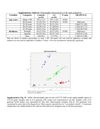
 Upadacitinib improved multiple immune-related conditions in one patient.
 7 citations
,
July 2020 in “Immunological Investigations”
7 citations
,
July 2020 in “Immunological Investigations” The rs231775 genetic variant is linked to a higher risk and severity of Alopecia Areata in males.
97 citations
,
December 2011 in “New England Journal of Medicine” The FDA did not approve certain drugs for prostate cancer prevention due to concerns about their effectiveness and potential risks.
September 2024 in “Clinical Case Reports” Early recognition and multidisciplinary management of Whitaker syndrome can improve patient outcomes.
April 2021 in “Journal of Investigative Dermatology” Arg1+ macrophages may play a role in causing alopecia areata.
April 2025 in “Anais Brasileiros de Dermatologia” Abrocitinib effectively treats severe alopecia areata with significant improvement and no side effects.