 December 2025 in “Pharmaceuticals”
 Illite can effectively carry minoxidil for hair growth without causing scalp irritation.
December 2025 in “Chemical Biology & Drug Design” Hesperidin may help reduce hair loss by protecting hair follicles.
September 2025 in “Blood Advances” Targeting androgen receptor signaling may improve acute myeloid leukemia treatment.
September 2025 in “Current Issues in Molecular Biology” IGF-1 can help regrow hair and may be a promising treatment for hair loss.
March 2025 in “International Journal of Molecular Sciences” PLIN2 affects hair growth in cashmere goats, potentially improving cashmere quality.
 February 2025 in “International Journal of Molecular Sciences”
 RORA plays a key role in controlling seasonal hair molting by affecting hair follicle cell activity.
 December 2023 in “European Journal of Medicinal Chemistry”
 Natural products might be safe, effective, and affordable treatments for hair loss.
 April 2023 in “Research Square (Research Square)”
 A specific RNA helps increase the growth of skin cells in Liaoning cashmere goats by working with a protein to boost a growth-related gene.
 January 2023 in “Theranostics”
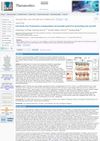
 A patch with curcumin-zinc can improve hair growth and health by delivering beneficial particles to the skin, increasing hair follicles, and reversing effects of a hair loss hormone.
 November 2022 in “The journal of investigative dermatology/Journal of investigative dermatology”
 TYK2 inhibition may help treat alopecia areata by promoting hair growth and reducing immune response.
 September 2022 in “Frontiers in Bioengineering and Biotechnology”
 Taxifolin from Rhododendron mucronulatum may help prevent hair loss and promote hair growth.
 July 2021 in “British Journal of Dermatology”
 A woman with systemic sclerosis developed a unique scarring hair loss combining features of systemic sclerosis and frontal fibrosing alopecia.
 November 2020 in “Research Square (Research Square)”
 Keratin injections in mice can stimulate hair growth and might help treat hair loss.
Ocu-miR-205 affects hair density in Rex rabbits by influencing cell processes and signaling pathways.
ocu-miR-205 affects hair density in Rex rabbits by promoting cell changes that lead to more hair follicles entering resting phases.
ocu-miR-205 affects hair density in Rex rabbits by altering hair follicle growth and signaling pathways.
 August 2019 in “Journal of the American Academy of Dermatology”
 Ginseng and Albizia extracts help prevent hair thinning with age.
 November 2018 in “Atlas of genetics and cytogenetics in oncology and haematology”
 WNT10B is linked to cancer development and affects survival and disease progression in various cancers.
 April 2018 in “The journal of investigative dermatology/Journal of investigative dermatology”
 Electrical epilation damages hair follicles and surrounding skin, likely preventing hair regrowth.
 May 2017 in “Journal of The American Academy of Dermatology”
 LED light helps human hair root cells grow and prevents them from dying by activating specific growth pathways.
March 2016 in “Experimental Dermatology” EGFR helps hair follicles transition properly by controlling Stathmin levels.
December 2014 in “TDX (Tesis Doctorals en Xarxa)” Cellular senescence is crucial for normal embryonic development but contributes to aging in adults.
 December 2011 in “InTech eBooks”
 Systemic corticosteroids can help treat rapidly spreading vitiligo but require more research for safer use.
 February 2010 in “Journal of The American Academy of Dermatology”
 Mimicking growth factors in a topical solution can prolong hair growth phase and reduce hair loss without side effects.
Melatonin may protect against cell damage in pancreatitis.
June 2008 in “The Knowledge Bank (The Ohio State University)” Smad2 and Smad3 are essential for normal skin development, and their absence causes severe skin issues and cancer.
Melatonin reduced oxidative damage, inflammation, and protected hair cells in scalded rats.
January 2008 in “中山醫學大學醫學研究所學位論文” Danthron from Rhubarb causes melanoma cells to stop growing and die.
March 2007 in “Journal of Cell Science” K10 may not prevent tumors as previously thought and might increase benign tumor risk.
September 2004 in “Experimental Dermatology” Stress increases nerve growth factor, causing hair loss in mice.