 September 2025 in “Journal of the American Academy of Dermatology”
 Reducing SFRP1 can promote hair growth and may help treat hair loss.
July 2022 in “Journal of Investigative Dermatology” Inhibiting TYK2 can restore hair growth in alopecia areata.
92 citations
,
February 2005 in “Endocrinology” Estrogen receptors affect hair growth, with ER beta slowing down the hair cycle changes caused by ER alpha.
13 citations
,
January 1993 in “Archives of dermatological research” Human hair follicles can grow and stay healthy for up to 8 days in a lab setting.
 15 citations
,
July 2019 in “Journal of Investigative Dermatology”
15 citations
,
July 2019 in “Journal of Investigative Dermatology” CBD can either reduce inflammation and not affect hair growth at low levels or inhibit hair growth at high levels.
 6 citations
,
March 2011 in “Experimental Dermatology”
6 citations
,
March 2011 in “Experimental Dermatology” Too much or too little selenium in the diet can cause hair loss and graying in mice.
53 citations
,
October 1998 in “The journal of investigative dermatology/Journal of investigative dermatology” Topical calcitriol-analogs can reduce hair loss caused by chemotherapy.
49 citations
,
January 1998 in “International Journal of Molecular Medicine” Lipid peroxides can cause early hair loss by damaging hair follicles.
152 citations
,
December 2003 in “Micron” As people age, their hair follicles produce less pigment, leading to gray and white hair, due to factors like reduced enzyme activity and damage to melanocyte DNA.
 127 citations
,
December 2005 in “Experimental Dermatology”
127 citations
,
December 2005 in “Experimental Dermatology” Stress can stop hair growth in mice, and treatments can reverse this effect.
 60 citations
,
June 1997 in “Journal of The American Academy of Dermatology”
60 citations
,
June 1997 in “Journal of The American Academy of Dermatology” Apoptosis is crucial for healthy skin and treating skin diseases.
 2 citations
,
August 2023 in “Autophagy”
2 citations
,
August 2023 in “Autophagy” Autophagy helps control skin inflammation and cancer responses and regulates hair growth by affecting stem cell activity.
 218 citations
,
January 2013 in “The Lancet Oncology”
218 citations
,
January 2013 in “The Lancet Oncology” Chemotherapy causes hair loss by damaging hair follicles and stem cells, with more research needed for prevention and treatment.
58 citations
,
May 2004 in “British Journal of Dermatology” Diphenylcyclopropenone treatment helps hair growth in alopecia areata by promoting blood vessel growth and cell survival.
 46 citations
,
January 1996 in “Journal of The American Academy of Dermatology”
46 citations
,
January 1996 in “Journal of The American Academy of Dermatology” People with late-stage HIV-1 often experience a specific type of hair loss linked to multiple factors, including nutritional issues and immune responses.
36 citations
,
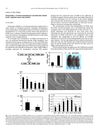
March 2009 in “Molecular Carcinogenesis” Disrupting Bcl-xL in mice reduces skin cancer risk.
 7 citations
,
December 2008 in “Journal of Dermatological Science”
7 citations
,
December 2008 in “Journal of Dermatological Science” Progranulin overexpression leads to shorter, thinner hair and increased cell death in mouse hair follicles.
 253 citations
,
March 1994 in “Developmental dynamics”
253 citations
,
March 1994 in “Developmental dynamics” Apoptosis is essential for human skin development and forming a functional epidermis.
13 citations
,
April 2019 in “iScience” EGFR helps control how hair grows and forms without needing p53 protein.
 6 citations
,
August 2007 in “Journal of Surgical Research”
6 citations
,
August 2007 in “Journal of Surgical Research” Mice genetically modified to produce more Del1 protein had faster hair regrowth.
37 citations
,
January 2010 in “Human Molecular Genetics” FTase and GGTase-I are essential for skin keratinocyte health.
October 2014 in “Cancer research” Blocking mTORC1 reduces skin tumor growth in mice.
 September 2020 in “bioRxiv (Cold Spring Harbor Laboratory)”
 Glutamic acid helps mice grow hair.
November 2010 in “Faculty Opinions – Post-Publication Peer Review of the Biomedical Literature” Mesenchymal stem cells from bone marrow and umbilical cord can help regenerate hair follicles.
November 2023 in “Journal of Investigative Dermatology” Removing GRK2 in skin cells causes hair loss similar to immune-related alopecia.
 3 citations
,
December 2024 in “Biomolecules & Therapeutics”
3 citations
,
December 2024 in “Biomolecules & Therapeutics” Tanshinone compounds can help prevent hair loss caused by testosterone.
January 2025 in “International Journal of Molecular Sciences” Non-liganded Vitamin D Receptor is crucial for healthy skin and hair.
 58 citations
,
October 2016 in “Journal of Investigative Dermatology”
58 citations
,
October 2016 in “Journal of Investigative Dermatology” Activating Nrf2 protects human hair follicles from oxidative stress and helps prevent hair growth inhibition.
 July 2022 in “The journal of investigative dermatology/Journal of investigative dermatology”
 Blocking mTORC1 activity with rapamycin could help increase hair pigmentation and growth, potentially reversing gray hair.
July 2024 in “Journal of Investigative Dermatology” Versican in dermal papilla cells is crucial for healthy hair growth.