 July 2026 in “Pharmaceuticals”
 Marine-derived polysaccharide nanofibers could improve wound healing but face challenges in becoming widely used.
Coreopsis tinctoria Nutt. extract can effectively dye hair yellow or dark brown with good wash durability.
 April 2026 in “Biomolecules”
 Squid ink melanin nanoparticles create a safe, long-lasting black hair dye that protects hair and offers UV protection.
 February 2026 in “Phycology”
 Microalgae can sustainably improve nutrition and cosmetics with their diverse beneficial compounds.
 December 2025 in “Biology Bulletin”
 Baikal seals' skin shows normal features for protection and some pathologies possibly linked to climate change or a virus.
November 2025 in “Journal of Natural Fibers” Human hair waste can be valuable in engineering and materials due to its unique properties.
 November 2025 in “BMC Genomics”
 Genetic differences in sheep affect wool type, with fat and immune genes influencing hair traits.
September 2025 in “Immunological Reviews” The skin can independently form immune responses through special structures, offering new ways to treat skin diseases.
August 2025 in “Biomolecules” Fibroblast growth factors could be a better, safer treatment for hair loss than current options.
June 2025 in “Advances in Clinical and Experimental Medicine” Keratin biomaterials could help heal wounds and regenerate tissue, but more testing is needed.
 June 2025 in “Journal of Cluster Science”
 Metal nanoparticles show promise for treating hair loss but need more research to ensure safety.
May 2025 in “Preprints.org” Olive oil byproducts can improve skin and hair care products and help prevent skin cancer.
May 2025 in “Preprints.org” Olive oil byproducts can be used in skincare for their antioxidant and protective benefits.
January 2025 in “Зоологический журнал / Russian Journal of Zoology” Baikal seals' skin shows normal adaptations and potential pathologies possibly linked to climate change and a viral pathogen.
 October 2024 in “Cosmetics”
 Afro-textured hair needs personalized care due to its unique genetic traits.
 January 2024 in “Biotechnology advances”
 Bioassays help find useful compounds in nature for making medicines, supplements, and cosmetics.
 January 2024 in “Skin appendage disorders”
 Environmental pollutants can damage hair health and cause hair loss.
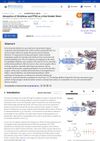 December 2023 in “The journal of physical chemistry. B (1997 : Online)”
 Human hair keratin might be good for filtering out harmful substances from water.
 July 2023 in “International Journal of Cosmetic Science”
 Biopolymers are increasingly used in cosmetics for their non-toxicity and skin benefits, with future biotech advancements likely to expand their applications.
 June 2023 in “Frontiers in Genetics”
 Genes related to calcium signaling and lipid metabolism are important for curly hair in Mangalitza pigs.
 January 2023 in “Brazilian Journal of Pharmaceutical Sciences”
 A method was found to accurately measure spironolactone and canrenone in blood samples using liquid chromatography-mass spectrometry.
January 2019 in “International Journal of Plant Animal and Environmental Sciences” The extract from marine green alga Chlamydomonas sp. W80 has antioxidant, anti-inflammatory, anti-aging, hair growth, immune-boosting, and skin lightening effects.
 May 2026 in “Zenodo (CERN European Organization for Nuclear Research)”
 The EDAR V370A allele in East Asians likely evolved due to reliance on aquatic resources providing essential nutrients.
 May 2026 in “Zenodo (CERN European Organization for Nuclear Research)”
 The EDAR V370A allele in East Asians likely evolved due to reliance on aquatic resources providing essential nutrients.
9 citations
,
August 2021 in “Genome Biology and Evolution” Hairless aquatic mammals lost certain lysozyme genes likely due to their lack of body hair.
 June 2023 in “MPI (Media Pharmaceutica Indonesiana)”
 A hair tonic made from kale leaves is effective for hair growth and meets Indonesian standards.
44 citations
,
May 2008 in “Acta Zoologica” Keratinization in embryos helped vertebrates adapt to land by forming a protective skin barrier.
1 citations
,
January 2019 in “Zenodo (CERN European Organization for Nuclear Research)” Eclipta alba has unique stem, leaf, and root features, including air cavities and secretory structures.
 July 2026 in “International Journal of Aquatic Research and Environmental Studies”
 The developed microspheres effectively deliver Metformin for sustained blood sugar control and anticancer effects.
35 citations
,
April 2021 in “Current Biology”