Search
for
Sort by
Research
180-210 / 1000+ resultsresearch P151 A multicentre real-world evaluation of ritlecitinib in severe alopecia areata: patient-reported outcome measures
Ritlecitinib shows promise in improving severe alopecia areata, with 27% of patients seeing success.

research Re: Association of Treatment with 5α-Reductase Inhibitors with Time to Diagnosis and Mortality in Prostate Cancer
Treatment with 5α-reductase inhibitors is linked to a delay in prostate cancer diagnosis and may affect survival rates.

research 5‐Alpha reductase inhibitor related litigation: A legal database review
Most legal cases about 5α-reductase inhibitors, drugs for hair loss and prostate issues, complain about side effects and delayed cancer diagnosis, with most lawsuits settled out of court.
research Integrated safety analysis of baricitinib in adults with severe alopecia areata from two randomized clinical trials
Baricitinib for severe alopecia areata is generally safe, with common side effects like infections and acne, and low rates of serious complications.

research Efficacy and Safety of Switching from Baricitinib to Ritlecitinib in Severe Alopecia Areata
Switching to ritlecitinib improves hair regrowth and well-being in severe alopecia areata patients.
research 5-Alpha Reductase Inhibitors and Erectile Dysfunction: The Connection
5-alpha reductase inhibitors can cause sexual side effects like erectile dysfunction, but the exact reasons are unclear.
research Evaluating the safety profile of α-1 blockers, 5α-reductase inhibitors, and PDE5I for BPH: a disproportionality analysis of real-world adverse events based on FDA adverse event reporting system (FAERS)
PDE5 inhibitors cause earlier adverse events in BPH treatment, requiring careful monitoring.
research Comments concerning the real risk of sexual adverse events secondary to the use of 5-ARIs
The document concludes that the risk of sexual side effects from 5-alpha-reductase inhibitors is low and often temporary, but more research is needed on potential permanent effects.
research Integrated Safety Analysis of Ritlecitinib for the Treatment of Alopecia Areata (AA) From the Phase 2 and Phase 3 ALLEGRO Clinical Trial Program
Ritlecitinib is safe for treating alopecia areata for up to 48 weeks.
research Virtual Screening of Potential Inhibitors for SARS-CoV-2 Main Protease
The document concluded that certain compounds might strongly bind to and potentially inhibit a key SARS-CoV-2 protein, but further testing is needed.
research Market Analysis of 5α-Reductase Inhibitor
The market for these drugs is expected to grow.

research Risk of Depression after 5 Alpha Reductase Inhibitor Medication: Meta-Analysis
Taking 5 alpha reductase inhibitor medication slightly increases the risk of depression, especially as you get older.
research Safety concerns regarding 5α reductase inhibitors for the treatment of androgenetic alopecia
5α reductase inhibitors treat hair loss but may cause sexual side effects and risks.

research Drug interactions between common dermatological medications and the oral anti-COVID-19 agents nirmatrelvir-ritonavir and molnupiravir
Some skin medications can have harmful interactions with the COVID-19 drug nirmatrelvir-ritonavir, but not with molnupiravir.
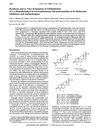
research Synthesis and in Vitro Evaluation of 4-Substituted N-(1,1-Dimethylethyl)-3-oxo-4-androstene-17.beta.-carboxamides as 5.alpha.-Reductase Inhibitors and Antiandrogens
The new compounds moderately block a specific enzyme and strongly counteract a male hormone, suggesting potential for treating certain male-related health conditions.
research Long-term use of 5α-reductase inhibitors and the risk of male breast cancer
Taking 5α-reductase inhibitors does not significantly increase the risk of breast cancer in men.
research MP09-16 5-ALPHA REDUCTASE INHIBITORS FOR MALE LOWER URINARY TRACT SYMPTOMS: A COCHRANE SYSTEMATIC REVIEW AND META-ANALYSIS
5-alpha reductase inhibitors slightly reduce urinary symptoms and may lower surgery and acute retention risks in men.
research Inhibitors of 5α-Reductase in the Treatment of Benign Prostatic Hyperplasia
5α-reductase inhibitors and alpha-1 adrenergic antagonists together effectively treat benign prostatic hyperplasia, with long-term benefits.
research MP31-04 HOW DO 5-ALPHA-REDUCTASE INHIBITORS CHANGE PSA DENSITY IN PATIENTS ON ACTIVE SURVEILLANCE?
5-alpha-reductase inhibitors lower PSA density but higher PSA density indicates disease progression.

research Qual o papel dos inibidores da 5α-redutase no tratamento da alopecia androgenética? Uma revisão baseada na evidência
5α-reductase inhibitors are effective for treating hair loss in androgenetic alopecia.
research Design, synthesis and structure-activity relationships studies on steroidal aromatase and 5α-reductase inhibitors as anti-tumors
Modified steroidal inhibitors showed promise in treating hormone-dependent cancers.
research Patient Profile and Treatment Characteristics of Early Ritlecitinib Initiators in the US
Ritlecitinib provides new treatment options for diverse alopecia areata patients.

research Association Between 5-Alpha Reductase Inhibitor Use and The Risk of Depression: A Meta-Analysis.
Using 5-alpha reductase inhibitors may increase the risk of mild depression.
research Inhibition of 5α-reductase in the rat prostate by Cimicifuga racemosa
Cimicifuga racemosa extract may help prevent and treat prostate issues by inhibiting 5α-reductase.
research Raltegravir-Induced Alopecia in an HIV+ Patient
Raltegravir may cause hair loss in some patients.

research 5 Alpha Reductase Inhibitors
Medicines called 5-alpha-reductase inhibitors, like finasteride and dutasteride, are useful for treating enlarged prostate and male pattern hair loss.
research An overview on 5α-reductase inhibitors
5α-reductase inhibitors, like Finasteride and Dutasteride, help manage benign prostatic hyperplasia.
research ダブルストロボレンジファインダの開発(特別講演)(画像センシングおよび一般)
Some prostate cancers have gene changes that may affect treatment with certain drugs.
research 5α-Reductase inhibitors alter steroid metabolism and may contribute to insulin resistance, diabetes, metabolic syndrome and vascular disease: a medical hypothesis
Some hair loss and prostate drugs might increase the risk of diabetes and heart disease.