 2 citations
,
August 2022 in “BMC veterinary research”
2 citations
,
August 2022 in “BMC veterinary research” Hair follicle stem cells from Arbas Cashmere goats can become fat, nerve, and liver cells.
 23 citations
,
January 2014 in “International Journal of Biological Sciences”
23 citations
,
January 2014 in “International Journal of Biological Sciences” African American men with prostate cancer have more androgen receptor mutations, which may lead to more aggressive cancer compared to Caucasian American men.
 10 citations
,
November 2010 in “Journal of Dermatology”
10 citations
,
November 2010 in “Journal of Dermatology” Longer CAG repeats in gene linked to more severe hair loss in females.
Padina arborescens and its component MOGG may help prevent hair loss through several actions, including blocking a hair loss-related enzyme.
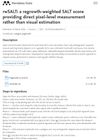 March 2026 in “Mendeley Data”
 rwSALT accurately measures hair regrowth in alopecia areata using scalp photos.
High CCL11 levels may indicate poor response to baricitinib in severe alopecia areata.
January 2012 in “Chinese Journal of Aesthetic Medicine” Increased androgen receptor expression in certain hair follicle areas may cause male pattern baldness.
January 2026 in “Molecules” Dihydroartemisinin could be a versatile cosmetic ingredient but needs more research and development.
Genetic analysis of rabbits identified key genes for traits like coat color, body size, and fertility.
 20 citations
,
January 2021 in “Plants”
20 citations
,
January 2021 in “Plants” High energy boosts root hair growth in plants, while low energy stops it.
 2 citations
,
June 2020 in “Research Square (Research Square)”
2 citations
,
June 2020 in “Research Square (Research Square)” A prostate cancer drug can lower the levels of a protein that the coronavirus uses to enter lung cells.
 65 citations
,
April 2002 in “Journal of Alternative and Complementary Medicine”
65 citations
,
April 2002 in “Journal of Alternative and Complementary Medicine” Plant extracts effectively reduce hair loss and increase growth, offering a safe alternative treatment.
1 citations
,
August 2019 A 25% ethanol extract hair tonic from Nothopanax scutellarium leaves significantly boosts hair growth in male rabbits.
 September 2023 in “JAAD case reports”
 A man developed oral hairy leukoplakia while on baricitinib, a medication for alopecia and arthritis, and doctors should watch for such side effects.
2 citations
,
February 2023 in “Actas Dermo-Sifiliográficas” Baricitinib effectively improved both atopic dermatitis and alopecia areata symptoms in a patient.
 January 2017 in “Journal of clinical & experimental dermatology research”
 The case shows skin changes can indicate deeper health issues like insulin resistance, which are challenging to manage.
 2 citations
,
January 2025 in “Pharmaceutical Research”
2 citations
,
January 2025 in “Pharmaceutical Research” Angelica gigas Nakai root extracts may help with cancer, pain, memory loss, and metabolic issues.
 6 citations
,
June 2011 in “British Journal of Dermatology”
6 citations
,
June 2011 in “British Journal of Dermatology” People with alopecia areata have higher levels of RBP4 protein and antibodies against it.
1 citations
,
August 2019 in “Journal of pediatric & adolescent gynecology” A new genetic change causing early stop in the androgen receptor gene was found in a patient with androgen insensitivity syndrome.
 November 2023 in “Annales de dermatologie et de vénéréologie, FMC”
 Baricitinib effectively treats severe alopecia for up to 104 weeks.
Iron influences root hair growth during phosphate starvation by affecting auxin distribution and vesicle trafficking.
 11 citations
,
March 2014 in “Journal of The European Academy of Dermatology and Venereology”
11 citations
,
March 2014 in “Journal of The European Academy of Dermatology and Venereology” Hair loss gene linked to prostate issues.
 August 2018 in “Journal of Investigative Dermatology”
 Polyunsaturated fatty acids, like arachidonic acid and eicosapentaenoic acid, can promote hair growth and may help treat hair loss.
66 citations
,
August 2007 in “Applied and environmental microbiology” The engineered yeast strain BLYAS can quickly and sensitively detect androgenic chemicals.
September 2024 in “Journal of the American Academy of Dermatology” Eyebrow and eyelash regrowth usually matches scalp hair response in alopecia areata patients treated with baricitinib.
June 2022 in “bioRxiv (Cold Spring Harbor Laboratory)” Male hormones and reduced plakoglobin can impair heart electrical function and increase arrhythmia risk in males.
1 citations
,
November 2024 in “Saudi Pharmaceutical Journal” Adding baricitinib will increase costs but offers more treatment options for alopecia areata.
3 citations
,
April 2025 in “American Journal of Clinical Dermatology” Baricitinib is generally safe for long-term use in treating severe alopecia areata.
 February 2024 in “Planta”
 TRM21 helps control flavonoid production and root hair growth in Arabidopsis thaliana.