 September 2020 in “Acta Scientific Cancer Biology”
 Personalized treatment based on detailed tumor analysis successfully managed and reduced the patient's aggressive hair follicle cancer.
 August 2020 in “Bioscience Biotechnology Research Communications”
 Topical anaesthesia reduces injection pain better than a vibrating device.
 August 2020 in “Textile research journal”
 The model helps understand how wool fiber structure affects its strength and flexibility.
 June 2020 in “Journal of Investigative Dermatology”
 More research with diverse participants is needed to determine the effectiveness of photobiomodulation devices for hair loss treatment.

Ocu-miR-205 affects hair density in Rex rabbits by influencing cell processes and signaling pathways.
 January 2020 in “Acta Scientiae Veterinariae”
 A dog's chronic bite wound healed successfully using a mix of herbal gel, low power laser, and ozone therapy.
 January 2020 in “Research Square (Research Square)”
 Skin tags in severely obese people may indicate higher blood pressure and diabetes risk.
 January 2020 in “Journal of quality in health care & economics”
 Most women with depression in the study had low vitamin D levels.
 October 2019 in “Skin appendage disorders”
 The vitreous membrane in hair follicles changes shape during the hair cycle and may affect hair growth and nutrient exchange.
 October 2019 in “Turkderm”
 Patients with pernio have lower vitamin B12 and ferritin levels than healthy people.
 October 2019 in “European heart journal”
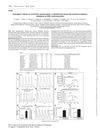
 Androgen-deprivation therapies increase the risk of certain heart conditions, but testosterone treatment may help.

Changes in skin bacteria can affect hair loss and new treatments targeting these bacteria may prevent balding without sexual side effects.

Microneedle technology is effective for skin rejuvenation and enhancing cosmeceutical delivery, with ongoing innovation and increasing commercialization.
 January 2018 in “Turkiye Klinikleri Journal of Medical Sciences”
 Alopecia areata treatment should consider life quality and mental health, not just clinical results.
 January 2018 in “Springer eBooks”
 Athletes need effective management of skin disorders for their performance and well-being.
 January 2018 in “Stem cell biology and regenerative medicine”
 The nucleus is key in controlling skin growth and repair by coordinating signals, gene regulators, and epigenetic changes.
 December 2017 in “Facial Plastic Surgery”
 The document concludes that successful treatment of upper and midface trauma should focus on restoring both appearance and function, with attention to facial structure, skin, and hair repair.
 June 2017 in “Journal of evolution of medical and dental sciences”
 About 22% of cancer patients had skin-related side effects from chemotherapy, but these were usually not severe enough to halt treatment.
 December 2016 in “John Wiley & Sons, Ltd eBooks”
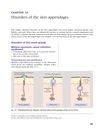
 The document concludes that proper recognition and treatment of skin appendage disorders are important for management.
 November 2016 in “Dermatologic Therapy”
 "Dermatologic Therapy" offers expert treatment info for various skin diseases.
 September 2016 in “International Journal of Dermatology”
 The document covers various dermatological conditions and their studies.
 July 2016 in “American Journal of Dermatopathology”
 The meeting showcased rare skin disease cases, highlighting the need for accurate diagnosis and treatment.

Many women with postadolescent acne also have hormonal imbalances and are at higher risk for metabolic issues.
 January 2016 in “Kafkas Journal of Medical Sciences”
 Turkish pregnant women commonly experienced skin issues like itching and acne, and doctors mainly used topical treatments due to safety concerns during pregnancy.
 April 2014 in “Medical Clinics of North America”
 Accurate diagnosis and tailored treatment are crucial for managing common primary care symptoms.

New techniques make hair transplants look more natural.
 January 2014 in “Pathology”
 The document concludes that understanding nail anatomy is key for diagnosing nail diseases, early signs of nail melanoma may allow for less aggressive treatment, and specific genetic mutations are important in thyroid cancer prognosis and treatment.
 January 2014 in “Pathology”
 Non-scarring hair loss can be diagnosed with two 4mm punch biopsies, one cut vertically and the other transversely.
 January 2014 in “Pathology”
 RET mutation is important in familial medullary thyroid carcinoma, and BRAF mutation in papillary thyroid carcinoma is linked to more aggressive cancer and higher death rates.

The models can help find better inhibitors for conditions like baldness and prostate disorders.