A new topical treatment for hair loss is effective and safe with faster results.
8 citations
,
August 2016 in “Journal of the European Academy of Dermatology and Venereology” Oral tacrolimus helped a rheumatoid arthritis patient regrow hair lost due to alopecia areata.
Curcuma aeruginosa Roxb. may help treat hair loss by affecting specific biological pathways.
 66 citations
,
December 2018 in “Dermatology”
66 citations
,
December 2018 in “Dermatology” Both ruxolitinib and tofacitinib are effective and safe for treating severe alopecia areata, but relapses are common.
 July 2023 in “Clinical and Experimental Dermatology”
 Combining baricitinib with low-dose corticosteroids significantly improved severe hair loss in eight patients.
 1 citations
,
September 2023 in “Journal of the American Academy of Dermatology”
1 citations
,
September 2023 in “Journal of the American Academy of Dermatology” Baricitinib significantly improves hair regrowth in severe alopecia areata.
 17 citations
,
June 2016 in “Australasian Journal of Dermatology”
17 citations
,
June 2016 in “Australasian Journal of Dermatology” Treatment with dutasteride, minoxidil, and artificial hair transplantation improved appearance but caused folliculitis.
 December 2025 in “Педиатрическая фармакология”
 Tofacitinib is more effective than traditional treatments for severe alopecia areata in children.
 2 citations
,
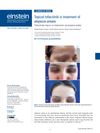
January 2020 in “Einstein (São Paulo)”
2 citations
,
January 2020 in “Einstein (São Paulo)” Topical tofacitinib shows promise as a future treatment for alopecia areata.
53 citations
,
August 2014 in “Cochrane library” Methotrexate is not proven effective for inducing remission in ulcerative colitis.
 1 citations
,
June 2017 in “Skin”
1 citations
,
June 2017 in “Skin” Apremilast may help treat lichen planopilaris and frontal fibrosing alopecia when other treatments fail.
12 citations
,
July 2016 in “Journal of dermatology” Intramuscular triamcinolone acetonide is an effective treatment for severe alopecia areata, especially in males.
6 citations
,
July 2004 in “JDDG Journal der Deutschen Dermatologischen Gesellschaft” Frontal fibrosing alopecia in postmenopausal women can be managed with early treatment using corticosteroids to stop hair loss.
9 citations
,
April 2006 in “International Journal of Dermatology” DFMO may help control hair growth and treat cancer.
28 citations
,
January 2016 in “Dermatology” Methotrexate with corticosteroids can effectively treat severe alopecia areata but often requires long-term maintenance.
 October 2024 in “Canadian Journal of Health Technologies”
 Olumiant should be covered for severe alopecia areata if certain conditions are met.
November 2025 in “Journal of Investigative Dermatology”  September 2023 in “Journal of The American Academy of Dermatology”
 Baricitinib treatment can help regrow scalp hair and eyebrows or eyelashes in people with severe alopecia areata.
 15 citations
,
February 2021 in “Scientific Reports”
15 citations
,
February 2021 in “Scientific Reports” RNA aptamers can specifically block FGF5-related cell growth, potentially treating related diseases or hair disorders.
 29 citations
,
January 2016 in “Annals of dermatology/Annals of Dermatology”
29 citations
,
January 2016 in “Annals of dermatology/Annals of Dermatology” Arachidonic acid helps hair grow by increasing growth factors and improving follicle health.
February 2025 in “Canadian Journal of Health Technologies” Baricitinib is effective and cost-efficient for treating severe alopecia areata in adults.
 16 citations
,
February 2010 in “Journal of the European Academy of Dermatology and Venereology”
16 citations
,
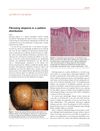
February 2010 in “Journal of the European Academy of Dermatology and Venereology” Fibrosing alopecia in a pattern distribution is a unique hair loss condition that may respond to antiandrogen therapy.
 May 2019 in “Asian Journal of Pharmaceutical and Clinical Research”
 Eclipta prostrata, particularly its chloroform fraction, effectively reduces inflammation and arthritis.
 August 2021 in “Case Reports”
 A woman thought to have rosacea was actually suffering from Frontal Fibrosing Alopecia, a hair loss condition. Despite treatment, her condition didn't change, showing the importance of accurate early diagnosis.
 5 citations
,
June 2019 in “British Journal of Dermatology”
5 citations
,
June 2019 in “British Journal of Dermatology” Tofacitinib was more effective than apremilast in treating hair loss in a mouse model of alopecia areata.
 8 citations
,
November 2018 in “Australasian Journal of Dermatology”
8 citations
,
November 2018 in “Australasian Journal of Dermatology” Frontal fibrosing alopecia in families shows similar signs to individual cases and may have a genetic link.
 1 citations
,
July 2019 in “Clinical Rheumatology”
1 citations
,
July 2019 in “Clinical Rheumatology” Leflunomide is more likely to help treat alopecia areata than cause it.
 November 2023 in “The journal of investigative dermatology/Journal of investigative dermatology”
 Early treatment and multidisciplinary care are key to managing Frontal Fibrosing Alopecia and preventing further hair loss.
 November 2020 in “Dubai medical journal”
 Tofacitinib may effectively regrow hair in alopecia totalis patients.