15 citations
,
July 2009 in “Biomedical Chromatography” A reliable method was developed to measure aristolochic acid-I in rat blood.
15 citations
,
December 2021 in “Pharmaceutics” The study found key factors in the cause of hidradenitis suppurativa, its link to other diseases, and identified existing drugs that could potentially treat it.
 23 citations
,
June 2010 in “Journal of Investigative Dermatology”
23 citations
,
June 2010 in “Journal of Investigative Dermatology” A mutation in the Soat1 gene causes hair structure defects and other health issues in AKR/J mice.
4 citations
,
May 2019 in “Reproductive Endocrinology” Accurate diagnosis of hyperandrogenism, especially PCOS, is crucial for managing fertility and metabolic risks in women.
 85 citations
,
October 2012 in “Dermatologic Clinics”
85 citations
,
October 2012 in “Dermatologic Clinics” Alopecia Areata is an autoimmune condition often starting before age 20, with varied treatment success and a need for personalized treatment plans.
2 citations
,
January 2012 in “Australian and New Zealand journal of psychiatry” Haloperidol decanoate can cause alopecia areata.
 13 citations
,
December 2010 in “Nature Reviews Endocrinology”
13 citations
,
December 2010 in “Nature Reviews Endocrinology” A young man with an eating disorder had a life-threatening adrenal crisis due to an autoimmune condition, highlighting the need for better education on managing hormone treatments.
July 2026 in “Journal of the American Academy of Dermatology” Acanthosis Nigricans is the most common skin sign of insulin resistance.
 December 2023 in “EPRA international journal of multidisciplinary research”
 Alopecia areata causes sudden hair loss, has genetic links, and can be managed but not cured.
October 2020 in “The American journal of gastroenterology” Para-aminobenzoic acid in hair supplements can cause autoimmune hepatitis.
 January 2018 in “Przegla̧d dermatologiczny”
 Hair loss may increase heart disease risk.
October 2002 in “Atherosclerosis Supplements” LDL apheresis lowers inflammation and cardiovascular risk by reducing CRP levels long-term.
 October 2024 in “International Journal of Research in Orthopaedics”
 Intense exercise may increase the risk of ankylosing spondylitis in genetically predisposed adolescents.
 February 2009 in “Journal of The American Academy of Dermatology”
 Certain immune system genes are linked to a higher risk of psoriasis and psoriatic arthritis, while others may offer protection.
8 citations
,
July 1997 in “Archives of Gerontology and Geriatrics” 2 citations
,
February 2024 in “Medicine” A mutation in the IL2RA gene increases the risk of alopecia areata.
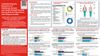 January 2025 in “SKIN The Journal of Cutaneous Medicine”
 People with alopecia areata face different healthcare access and experiences based on their race and ethnicity.
 10 citations
,
January 2023 in “Journal of the European Academy of Dermatology and Venereology”
10 citations
,
January 2023 in “Journal of the European Academy of Dermatology and Venereology” Alopecia areata greatly affects people's life quality, mental health, and work life.
5 citations
,
May 2022 in “Diagnostics” Certain genetic markers can indicate higher or lower risk for systemic lupus erythematosus.
 41 citations
,
June 2016 in “Reviews in endocrine and metabolic disorders”
41 citations
,
June 2016 in “Reviews in endocrine and metabolic disorders” Hidradenitis suppurativa may be related to hormones and patients often have metabolic disorders; more research is needed to understand this connection.
2 citations
,
March 2012 in “Current opinion in urology” 5-alpha-reductase inhibitors might help slow down low-risk prostate cancer, but their use should be cautious.
 1 citations
,
March 2023 in “Clinical, Cosmetic and Investigational Dermatology”
1 citations
,
March 2023 in “Clinical, Cosmetic and Investigational Dermatology” Current treatments for Alopecia Areata have mixed success, and there's a need for better, more accessible options and support for affected individuals.
69 citations
,
July 2002 in “Clinical and Experimental Dermatology” Alopecia areata is influenced by genetics and immune system factors, and better understanding could improve treatments.
 January 1953 in “The Lancet”
 Alopecia areata's causes are unclear, treatments exist but relapses are common.
2 citations
,
June 2018 in “International Journal of Pharmacological Research” Hutchinson-Gilford Progeria Syndrome caused rapid aging due to a genetic mutation, with treatments to manage symptoms.
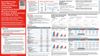 November 2025 in “SKIN The Journal of Cutaneous Medicine”
 Baricitinib works better in adolescents than adults for treating severe alopecia areata.
2 citations
,
June 2021 in “RECERCAT (Consorci de Serveis Universitaris de Catalunya)” Clear definitions and strategies are needed to manage long-term COVID-19 symptoms effectively.
 February 2021 in “Cureus”
 A woman's hair loss was initially misdiagnosed as scarring hair loss but was actually a treatable autoimmune hair loss.
 391 citations
,
January 2010 in “Journal of The American Academy of Dermatology”
391 citations
,
January 2010 in “Journal of The American Academy of Dermatology” Half of people with Alopecia Areata may see hair regrowth within a year without treatment, but recovery is unpredictable.
309 citations
,
June 2001 in “Molecular and Cellular Endocrinology” Mutations in the androgen receptor gene cause androgen insensitivity, leading to female traits in genetically male individuals.