29 citations
,
January 2003 in “KARGER eBooks” HVDRR is caused by VDR gene mutations, leading to vitamin D resistance, treatable with high calcium doses, but alopecia remains permanent.
 December 2025 in “npj Systems Biology and Applications”
 Cold temperatures can stop human cell circadian rhythms, but warming restores them.
January 2006 in “Ingeniería química” NKB levels are higher in PCOS pregnancies, especially with female babies, and may affect placental function.
 June 2026 in “Bulletin of Mathematical Biology”
 AGA causes more uncertainty in hair growth duration, while AA leads to a shorter, predictable growth phase.
 October 2025 in “Frontiers in Molecular Biosciences”
 Bruce Ames's work has greatly influenced research on genetics, aging, and health, inspiring ongoing studies on mitochondria and longevity.
 14 citations
,
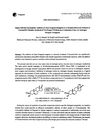
February 1994 in “Tetrahedron Letters”
14 citations
,
February 1994 in “Tetrahedron Letters” Adding cerium(III) chloride to Grignard reagents improves the making of compounds that could treat prostate issues and hair loss.
32 citations
,
January 1971 in “Annals of Internal Medicine” People with anhidrotic ectodermal dysplasia may get severe bronchitis if exposed to dust.
5 citations
,
May 1957 in “Nature” 1 citations
,
March 2023 in “Anais Brasileiros de Dermatologia”  28 citations
,
January 2012 in “Biological & pharmaceutical bulletin”
28 citations
,
January 2012 in “Biological & pharmaceutical bulletin” Hairless protein can both repress and activate vitamin D receptor functions, affecting gene regulation.
A molecule called α-ketobutyrate was found to extend lifespan and improve aging-related symptoms in worms and mice by activating certain cellular pathways and may help develop anti-aging treatments for humans.
 September 2025 in “International Journal of Cosmetic Science”
 Heat and UV exposure damage hair structure by altering keratins.
November 2024 in “Biophysical Chemistry” Hair structure changes immediately during perm treatment, with initial damage partially restored later.
13 citations
,
December 2017 in “Stem cells” Low-dose radiation affects hair stem cell function and survival by changing their genetic material's structure.
July 2019 in “Ferroelectrics” More human hair protein makes the films weaker and less clear.
 1 citations
,
April 2009 in “The Proceedings of the International Plant Nutrition Colloquium XVI”
1 citations
,
April 2009 in “The Proceedings of the International Plant Nutrition Colloquium XVI” Certain genes may promote longer root hairs in plants when phosphorus is low.
CCC1 is essential for pH balance and normal cell function in plants.
317 citations
,
August 1997 in “The Plant Journal” Calcium is crucial for sustaining root hair growth in Arabidopsis thaliana.
 May 2022 in “Голова и шея.”
 Laser exposure at 445±40 nm safely increased tissue temperature without exceeding safety limits.
1 citations
,
May 2025 in “Analytical Science Advances” A new method accurately measures iron in small samples with high sensitivity and low cost.
 January 2018 in “bioRxiv (Cold Spring Harbor Laboratory)”
 Researchers found key regions in the mouse hairless gene that control its activity in skin and brain cells, affecting hair follicle function.
1 citations
,
February 2003 UV radiation causes significant protein loss and color changes in hair, especially blond hair.
 2 citations
,
February 2017 in “Science”
2 citations
,
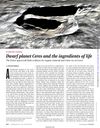
February 2017 in “Science” The Dawn spacecraft found that Ceres has complex organic molecules and a lot of water ice, hinting it might support life.
 April 2019 in “The journal of investigative dermatology/Journal of investigative dermatology”
 Scientists discovered a new way UVB light increases skin pigmentation through the ATP-P2X7 pathway.
 25 citations
,
September 2014 in “Biological Research”
25 citations
,
September 2014 in “Biological Research” Arctiin helps protect hair cells from damage and death caused by oxidative stress.
January 2026 in “Journal of Radiation Research” 53BP1 focus analysis in hair cells can help estimate radiation doses.
 November 2023 in “The journal of investigative dermatology/Journal of investigative dermatology”
 ARQ-234, a protein designed to treat atopic dermatitis, shows increased effectiveness in early testing.
 1 citations
,
September 1984 in “Journal of Biological Education”
1 citations
,
September 1984 in “Journal of Biological Education” Plants change their growth in response to shade based on light signals detected by phytochrome.
May 2025 in “Texas Digital Library (University of Texas)” Extracellular ATP promotes growth, while adenosine inhibits it in Arabidopsis plants.