October 2009 in “The American Journal of Gastroenterology” Excessive selenium intake can cause liver damage.
June 2026 in “The Russian Archives of Internal Medicine” Thallium poisoning can be treated successfully with the right antidote.
20 citations
,
February 1994 in “American Journal of Ophthalmology” Thallium poisoning can cause serious eye problems and other severe health issues.
 May 2026 in “Sudovo-medična ekspertiza”
 Thallium poisoning is highly toxic, causing severe health problems and can be fatal.
January 2010 in “Guoji yaoxue yanjiu zazhi” Thallium poisoning is serious, affecting nerves and organs, and is treated by reducing absorption and removing it from the body.
12 citations
,
August 2014 in “Elsevier eBooks” Thallium exposure can cause serious health issues, including nerve damage and hair loss.
71 citations
,
June 2008 in “Annals of Internal Medicine” Excessive selenium from supplements can be harmful.
13 citations
,
July 1978 in “Journal of comparative pathology” Acanthospermum hispidum is toxic to mice, causing death and damage to internal organs.
241 citations
,
January 2001 in “Reviews on Environmental Health” High selenium exposure can harm thyroid function, immune system, liver, skin, and may increase neurotoxicity and cancer risk.
5 citations
,
March 2008 in “DMW - Deutsche Medizinische Wochenschrift” A man was poisoned with thallium, treated successfully, but still had some nerve issues after 6 months.
48 citations
,
January 2008 in “European Neurology” Thallium poisoning causes pain, hair loss, and nerve issues, treatable with hemoperfusion and hemodialysis.
79 citations
,
April 1996 in “JAMA” Taking too many selenium supplements can cause serious health problems like hair loss and fatigue.
 December 2024 in “Journal of Applied Toxicology”
 High doses of dihydroartemisinin caused reversible liver toxicity in rats, with females more affected than males.
13 citations
,
October 2016 in “Journal of Clinical Neuroscience” Thallium poisoning can cause worsening nerve damage and vision loss without typical symptoms.
26 citations
,
January 2004 in “Journal of Toxicology Clinical Toxicology” Accidentally eating autumn crocus can cause long-term health issues.
 September 2023 in “Food and chemical toxicology”
 High doses of some selenium supplements caused liver and reproductive harm in rats.
48 citations
,
February 1998 in “British Journal of Dermatology” Thallium poisoning can cause severe neurological symptoms and hair loss.
3 citations
,
May 1963 in “Radiology” Thallium poisoning can be identified through radiological signs and treated effectively with B.A.L.
32 citations
,
January 2006 in “Liver transplantation” Vitamin A toxicity can cause severe health issues and may require a liver transplant if other treatments fail.
January 2023 in “Indian Journal of Forensic and Community Medicine” Thallium poisoning is dangerous but treatable with specific medical interventions.
 May 2026 in “The Scientific Issues of Ternopil Volodymyr Hnatiuk National Pedagogical University Series pedagogy”
 Thallium poisoning is highly toxic and can cause severe health issues or death.
December 2025 in “Current Issues in Molecular Biology” Cytarabine can cause multiple organ toxicities, especially neurotoxicity, but better research methods are needed to fully understand and predict these effects.
 5 citations
,
June 2015 in “Journal of dermatology”
5 citations
,
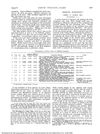
June 2015 in “Journal of dermatology” A woman and her daughter had thallium poisoning from a herbal drink and rodenticide, causing hair loss and other symptoms.
 3 citations
,
March 1932 in “Journal of the American Medical Association”
3 citations
,
March 1932 in “Journal of the American Medical Association” Radium exposure causes severe health issues, so strict safety measures are essential.
115 citations
,
December 1996 in “PubMed” The safe daily selenium intake is up to 819 micrograms.
1 citations
,
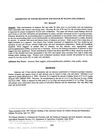
December 2019 Selenium is essential for health, but too much or too little can cause problems; blood selenium levels are a good measure of intake.
 7 citations
,
January 1995 in “Journal American Society of Mining and Reclamation”
7 citations
,
January 1995 in “Journal American Society of Mining and Reclamation” Excess selenium and sulfur in plants can harm animals, causing symptoms like hair loss and poor reproduction.
27 citations
,
June 2010 in “Journal of the American Academy of Dermatology” Excessive selenium in supplements can cause hair loss and nail issues.
23 citations
,
August 1989 in “American Journal of Veterinary Research” High selenium diets in pigs cause health issues like weight loss, hair loss, and nerve damage.