
The system helps lavender plants grow better by monitoring and adjusting their environment.
 December 2023 in “International Journal For Multidisciplinary Research”
 Indian medicinal plants can help with hair growth and common hair issues.
 September 2023 in “Medicina Estética Revista Científica de la Sociedad Española de Medicina Estética (SEME)”
 The FDA approved Litfulo® for treating severe alopecia areata in people aged 12 and older.
 July 2023 in “The Egyptian Journal of Hospital Medicine ”
 The conclusion is that emotional support and a variety of treatments are important for alopecia areata, but more research is needed.
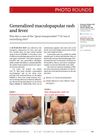 July 2023 in “The Journal of Family Practice”
 The man was diagnosed with lupus and improved with treatment.
 April 2023 in “Medizinische Genetik”
 New research has found 14 genes linked to the risk of developing alopecia areata, improving understanding and treatment options.
 January 2023 in “Dermatologic Therapy”
 Platelet-rich plasma therapy is a safe and effective treatment for alopecia areata.
 September 2022 in “Dermatology and therapy”
 Contact immunotherapy might help treat various skin conditions, but more research is needed to confirm its safety and effectiveness.
 January 2022 in “Clinical dermatology open access journal”
 Certain cannabinoids may help increase hair growth and could be useful for treating hair loss.
 January 2018 in “Springer eBooks”
 Hidradenitis Suppurativa is likely an autoinflammatory disease, and better understanding its causes could improve treatments.
 March 2017 in “InTech eBooks”
 Acne vulgaris is a common skin condition that can cause low self-esteem and depression, and early treatment is important to prevent scarring.
March 2025 in “Laboratory Investigation” MESTSV is a rare tumor that is mostly benign but needs long-term monitoring due to potential recurrence.
 November 2024 in “Journal of Cosmetic Dermatology”
 Regenerative medicine is effective and safe for treating vitiligo.
 November 2024 in “Deleted Journal”
 Platelet-rich plasma injections can help treat hair loss in lupus patients.
August 2024 in “Journal of the American Academy of Dermatology” Nail color change might be an early sign of skin pigmentation from minocycline.
June 2024 in “Journal of Drug Delivery Science and Technology” Nanocarrier-based treatments show promise for better hair growth in androgenetic alopecia but need more research.
January 2022 in “Indian Journal of Paediatric Dermatology” A 13-year-old girl was diagnosed with juvenile lupus, showing only hair loss as a symptom.

Hair loss in SLE patients is mostly due to chronic telogen effluvium and is linked to moderate disease activity.

Infliximab was effective in treating a scalp condition that did not respond to other treatments.
 July 2002 in “Australasian Journal of Dermatology”
 Maintaining anticoagulation is crucial for patients with antiphospholipid syndrome.
 July 2002 in “Australasian Journal of Dermatology”
 A woman with lupus had hair loss and skin issues that were successfully treated with medications.
December 2022 in “Scientia Pharmaceutica” PRP is more effective than minoxidil and placebo for treating hair loss.
 January 2023 in “Editora Enterprising eBooks”
 The document's conclusion cannot be provided because the document is not accessible or understandable.
 January 2017 in “International journal of transplantation & plastic surgery”
 Hair restoration techniques have improved over time, focusing on better results and less scarring, but skilled doctors are essential for natural-looking outcomes.
 9 citations
,
January 2020 in “IEEE Access”
9 citations
,
January 2020 in “IEEE Access” The KEBOT system is a highly accurate AI tool for analyzing hair transplants.
6 citations
,
January 2024 in “Cancers” Antiandrogens don't help with COVID-19 and aren't recommended.
 January 2024 in “Wiadomości Lekarskie”
 AI and new therapies show promise in medicine, especially for cancer and regenerative treatments.
 January 2024 in “Wiadomości Lekarskie”
 New technologies improve diagnosis and treatment of digestive disorders.
 August 2014 in “Plastic Surgery”
 Dr. WP Unger suggested that traditional strip harvesting might be better for hair transplants than Follicular Unit Extraction due to higher hair survival rates and less risk of a patchy look at the donor site.
1 citations
,
April 2025 in “Experimental Dermatology” Topical ruxolitinib may help some skin conditions but needs more research for alopecia areata.