 87 citations
,
March 2000 in “American Journal of Clinical Dermatology”
87 citations
,
March 2000 in “American Journal of Clinical Dermatology” Alpha-hydroxy acids, like glycolic acid, safely improve skin issues and work on all skin types.
40 citations
,
July 2018 in “European Journal of Pharmaceutical Sciences” Melatonin vitamin C-based nanovesicles improved hair growth and reduced hair loss in androgenic alopecia patients.
21 citations
,
December 2014 in “Clinics in dermatology” Squaric acid dibutylester effectively treats alopecia areata.
15 citations
,
July 2009 in “Biomedical Chromatography” A reliable method was developed to measure aristolochic acid-I in rat blood.
 May 2026 in “BMC Medicine”
 ACOD1 deficiency worsens hair loss by causing cell aging and mitochondrial problems, but 4-OI may help.
October 2021 in “QJM: An International Journal of Medicine” N-acetyl-cysteine improves hair growth and is safe for treating early male hair loss.
January 2012 in “Journal of Cosmetics Dermatological Sciences and Applications” Iontophoresis greatly improves skin absorption of certain substances, especially in hairy mice.
 8 citations
,
February 2022 in “Molecules”
8 citations
,
February 2022 in “Molecules” Asparagus racemosus root extract reduced sebum and pore size in men but not in women.
9 citations
,
February 2024 in “mBio” Biliverdin IXβ and IXδ help Pseudomonas aeruginosa adapt to chronic infections.
6 citations
,
January 2013 in “Journal of Ayurveda and integrative medicine” The detoxification process made Abrus precatorius seeds safe and effective for use.
 2 citations
,
May 2021 in “Clinical Pharmacology in Drug Development”
2 citations
,
May 2021 in “Clinical Pharmacology in Drug Development” Clascoterone is safe for the heart, even at high doses.
7 citations
,
February 2024 in “The Journal of Physiology” Reduced plakoglobin and steroid abuse increase the risk of heart rhythm issues.
 2 citations
,
February 2004 in “Biopolymers”
2 citations
,
February 2004 in “Biopolymers” 4-(4-Phenoxybenzoyl)benzoic acid derivatives can both increase and decrease certain types of reactive oxygen species, and may be relevant to hair loss.
3 citations
,
October 2023 in “Cosmetics” Effervescent cleansing tablets with Asiatic acid were successfully developed, showing good stability and cleansing effectiveness.
 April 2012 in “Journal of the American Academy of Dermatology”
 Clofazimine may be effective for treating ashy dermatosis.
September 2015 in “Photodiagnosis and Photodynamic Therapy” 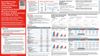 November 2025 in “SKIN The Journal of Cutaneous Medicine”
 Baricitinib works better in adolescents than adults for treating severe alopecia areata.
May 2025 in “OPAL (Open@LaTrobe) (La Trobe University)” Linoleic acid and magnesium are key in alopecia areata progression, and tofacitinib can help by affecting their pathway.

ACA from Alpinia galanga may prevent testosterone-related hair loss.
May 2025 in “OPAL (Open@LaTrobe) (La Trobe University)” Linoleic acid and magnesium are key in alopecia areata progression, and tofacitinib can help by affecting their pathway.
 11 citations
,
April 2015 in “International Journal of Cosmetic Science”
11 citations
,
April 2015 in “International Journal of Cosmetic Science” Adenosine helps grow thicker hair in Japanese men with hair loss.
1 citations
,
June 2019 in “Journal of Cutaneous Immunology and Allergy” Squaric acid dibutylester can cause severe skin reactions in people with allergies.
research Iron
January 2014 in “Reactions Weekly” A woman had nausea and constipation from iron pills taken for hair loss due to low iron.
 August 2025 in “BMJ Open”
 Combining scalp acupoint catgut embedding with 5% minoxidil may help treat male pattern baldness.
11 citations
,
October 1941 in “Experimental Biology and Medicine” PABA helps prevent gray hair and hair loss in mice.
 22 citations
,
November 2008 in “International Journal of Dermatology”
22 citations
,
November 2008 in “International Journal of Dermatology” A mix of 5-aminolevulinic acid and iron ion can speed up hair growth.
1 citations
,
December 2015 in “Parkinsonism & Related Disorders” The anti-hangover product may boost enzyme activity to help prevent brain damage.
1 citations
,
September 2007 in “Neuromuscular disorders” The treatment with valproate, acetylcarnitine, folic acid, and vitamin B12 may improve muscle strength in children with SMA without significant side effects.
Alpha-ketoglutaric acid may help treat aging and age-related diseases.
May 2025 in “OPAL (Open@LaTrobe) (La Trobe University)” Targeting specific metabolic and ionic pathways may improve alopecia areata treatment.