 13 citations
,
March 2013 in “International Journal of Cosmetic Science”
13 citations
,
March 2013 in “International Journal of Cosmetic Science” AcSDKP may help prevent skin and hair aging and promote their growth.
 July 2008 in “Journal of the Islamic Medical Association of North America”
 The document's content cannot be summarized because it is not accessible or understandable.
 7 citations
,
August 2023 in “Journal of the American Academy of Dermatology”
7 citations
,
August 2023 in “Journal of the American Academy of Dermatology” JAK inhibitors offer new hope for treating severe alopecia areata.
 November 2022 in “CARDIOMETRY”
 A group has developed therapies that show promise for treating cancer and various other conditions.
 February 2025 in “International Journal of Molecular Sciences”
 RIPK1 inhibitors may help prevent alopecia areata by reducing immune cell activity.
April 2026 in “Case Reports in Dermatology” Tofacitinib effectively treated a woman's complex autoimmune and autoinflammatory disorders.
November 2021 in “Research Square (Research Square)” 4-aminopyridine speeds up and improves skin wound healing.
34 citations
,
March 2009 in “British journal of dermatology/British journal of dermatology, Supplement” Vitamin C derivative helps hair grow longer by making cells produce a growth factor through a specific cellular pathway.
86 citations
,
December 2002 in “Tissue Antigens” A specific gene change is linked to severe hair loss.
July 2025 in “Journal of Investigative Dermatology”  November 2023 in “Journal of Investigative Dermatology”
 Adipose stem cell-derived exosomes may improve hair count and scalp health, potentially outperforming current treatments like minoxidil.
 November 2023 in “Dermatologica sinica/Zhōnghuá pífūkē yīxué zázhì”
 Upadacitinib helped regrow hair in a severe alopecia areata patient but stopping treatment caused hair loss to return.
 25 citations
,
June 2017 in “Molecular and Cellular Endocrinology”
25 citations
,
June 2017 in “Molecular and Cellular Endocrinology” Using anabolic androgenic steroids can cause serious, lasting health problems in many parts of the body.
 1 citations
,
March 2024 in “Skin health and disease”
1 citations
,
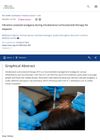
March 2024 in “Skin health and disease” Vibration assisted analgesia reduces pain during corticosteroid therapy for alopecia.
 1 citations
,
January 2015 in “Research Journal of Pharmacy and Technology”
1 citations
,
January 2015 in “Research Journal of Pharmacy and Technology” The document's conclusion cannot be provided because the document is not accessible or understandable.
71 citations
,
May 2024 in “New England Journal of Medicine” Ruxolitinib may effectively treat APS-1 by reducing harmful immune responses.
June 1985 in “Journal of the American Academy of Dermatology” January 2017 in “프로그램북(구 초록집)” November 2025 in “Chemistry - An Asian Journal” EISA uses enzymes to create precise nanostructures in cells, offering new ways to design adaptive materials and therapies.
2 citations
,
January 2007  June 2019 in “Stem Cell Research”
 Scientists created MUSIi010-A, a stem cell line from a balding man's scalp, to study hair loss and develop potential treatments.
 8 citations
,
June 2012 in “Australasian Journal of Dermatology”
8 citations
,
June 2012 in “Australasian Journal of Dermatology” A rare form of alopecia causes hair thinning without bald spots and may be more common than thought, responding well to steroid treatment.
 1 citations
,
September 2022 in “Journal of The American Academy of Dermatology”
1 citations
,
September 2022 in “Journal of The American Academy of Dermatology” Baricitinib helps grow eyebrows and eyelashes in severe alopecia areata patients.
 December 2025 in “Dermatology The American Medical Journal”
 JAK inhibitors are effective for long-term management of alopecia areata.
 February 2025 in “Dermatology and Therapy”
 Alopecia areata incognita causes sudden hair loss but usually improves with topical steroids.
3 citations
,
January 2014 in “The Journal of Dermatology” Squaric acid dibutylester for alopecia areata can cause benign skin lymphoid growths.
June 2024 in “Military Medicine” Access to JAK inhibitors for alopecia areata should be improved in the Military Healthcare System.
September 2023 in “Journal of the American Academy of Dermatology”  November 2021 in “bioRxiv (Cold Spring Harbor Laboratory)”
 4-aminopyridine helps skin wounds heal faster and better.
 June 2025 in “Journal of Education Health and Sport”
 Oral JAK inhibitors show promise for treating alopecia areata but have challenges like relapse and side effects.