 November 2023 in “The journal of investigative dermatology/Journal of investigative dermatology”
 ARQ-234, a protein designed to treat atopic dermatitis, shows increased effectiveness in early testing.
 November 2025 in “Mendeley Data”
 Using 5-alpha reductase inhibitors may lower prostate cancer risk in people with androgenetic alopecia.
 48 citations
,
June 2014 in “Neurobiology of Disease”
48 citations
,
June 2014 in “Neurobiology of Disease” The study suggests that motor neurons created from stem cells of patients with spinal and bulbar muscular atrophy show signs of the disease, including changes in protein levels and cell functions.
8 citations
,
October 2014 in “The Journal of Dermatology” Patients with alopecia areata should be checked for muscle spasms, diarrhea, and ANA to avoid missing Satoyoshi syndrome.
Farudodstat may effectively treat alopecia areata by protecting hair follicles without harmful effects.
29 citations
,
December 1994 in “Soil Biology and Biochemistry” Inoculating Arabidopsis with Azospirillum brasilense significantly increases root hair length.
March 2016 in “Oncology Times” Insurers opposed ASCO's recommendation for a single cancer care pathway program.
 January 2024 in “Journal of Applied Pharmaceutical Science”
 Procyanidin B2 and leucopelargonidin from Saraca asoca may help treat PCOS by balancing hormones.
October 2025 in “Influenza and Other Respiratory Viruses” Certain alkaloids could help create new coronavirus drugs.
May 2025 in “OPAL (Open@LaTrobe) (La Trobe University)” Targeting specific metabolic and ionic pathways may improve alopecia areata treatment.
 142 citations
,
March 2019 in “Frontiers in Cellular Neuroscience”
142 citations
,
March 2019 in “Frontiers in Cellular Neuroscience” The document concludes that adenosine receptor agonists have potential for treating various conditions, but only a few are approved due to challenges like side effects and the need for selective activation.
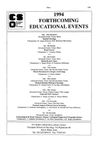 January 1994 in “European Journal of Cancer”
 The European School of Oncology organized various educational events in 1994, highlighting important cancer research findings.
January 2022 in “International Research Journal of Ayurveda & Yoga” Asthisrinkala lepa is more effective than Triphala mashi lepa for treating Alopecia areata.
September 2024 in “Annals of Medicine and Surgery” Ritlecitinib is the first FDA-approved pill for treating significant hair loss in alopecia areata patients aged 12 and up.
A comprehensive human skin cell atlas was created to better understand skin biology and disease.
 2 citations
,
August 2019 in “BMC Complementary and Alternative Medicine”
2 citations
,
August 2019 in “BMC Complementary and Alternative Medicine” Asiasari radix extract may be a potential treatment for melanoma because it selectively triggers cell death in melanoma cells by affecting p53 regulation.
2 citations
,
December 2013 in “Cancer research” Enobosarm may effectively treat androgen receptor-positive breast cancer with fewer side effects.
April 2022 in “Journal of evolution of medical and dental sciences” Intralesional triamcinolone acetonide is more effective but has a higher relapse rate than platelet-rich plasma for treating alopecia areata.
April 2022 in “Scientific Reports”  July 2018 in “Plastic and Aesthetic Nursing”
 The 2018 ISPAN Meeting emphasized hands-on learning, patient safety, and professional growth in medical aesthetics and reconstructive practices.
 6 citations
,
August 2024 in “Experimental Dermatology”
6 citations
,
August 2024 in “Experimental Dermatology” Irisin can promote hair growth by activating a specific signaling pathway.
 February 2026 in “Nano Research”
 A special treatment speeds up chronic wound healing by fixing cell energy issues and reversing aging in cells.
6 citations
,
June 2023 in “Journal of the European Academy of Dermatology and Venereology” Inflammation damages sweat ducts, causing sweat gland injury.
 January 2025 in “bioRxiv (Cold Spring Harbor Laboratory)”
 Armadillo Repeat Only proteins are essential for proper plant growth and response by regulating calcium channels.
October 2025 in “Pharmaceuticals” Auranofin shows promise as a cancer treatment, especially when combined with other therapies.
5 citations
,
May 2022 in “Lara D. Veeken” A rare genetic condition can mimic symptoms of other diseases, making diagnosis challenging.
 April 2023 in “Journal of Investigative Dermatology”
 Sweating can potentially be controlled through olfactory receptors, with β-ionone playing a key role, and responses may vary between genders.
 July 2024 in “Egyptian Journal of Medical Human Genetics”
 These gene variations are not linked to alopecia areata in Egyptians.
January 2026 in “Clinics and Practice” Baricitinib helps alopecia areata and may improve psoriasis, but its effect on psoriatic arthritis is unclear.
 July 2022 in “Journal of the Dermatology Nurses' Association”
 The document encourages attending the 2023 Dermatology Nurses' Association Convention.