 19 citations
,
January 2011 in “Annals of Dermatology”
19 citations
,
January 2011 in “Annals of Dermatology” M. restricta may cause Malassezia folliculitis, especially in teens and twenties.
1 citations
,
April 2014 in “Journal of the American Geriatrics Society” Diagnosing mycosis fungoides, a rare skin cancer, is difficult in elderly adults and requires careful examination to avoid mistaking it for less serious skin conditions.
2 citations
,
June 2024 in “Skin Appendage Disorders” Trichoscopy helps diagnose frontal fibrosing alopecia in Caucasians, but more research is needed.
1 citations
,
January 2021 in “Dermatologic Therapy” Candida antigen is an effective and promising treatment for alopecia areata.
 April 2016 in “Journal of Investigative Dermatology”
 Mefloquine, an antimalarial drug, is effective in killing melanoma cells resistant to other treatments by causing lethal stress in the cells.
31 citations
,
March 2014 in “Journal of the European Academy of Dermatology and Venereology” BRAF inhibitors for melanoma often cause skin side effects, but they can be managed with proper care.
 5 citations
,
December 2019 in “JAAD Case Reports”
5 citations
,
December 2019 in “JAAD Case Reports” A woman experienced rapid hair loss after taking albendazole, but it started to improve when she stopped the medication.
December 2002 in “International Journal of Cosmetic Surgery and Aesthetic Dermatology” No significant link was found between male pattern baldness and Pityrosporum fungi.
1 citations
,
November 2009 in “Nurse prescribing” Oral griseofulvin for 6-12 weeks cures most scalp fungal infections in children.
 126 citations
,
April 2006 in “International Journal of Dermatology”
126 citations
,
April 2006 in “International Journal of Dermatology” The conclusion is that FFA and LPP have similar scalp biopsy features, making them hard to distinguish histologically, and FFA may be a specific kind of scarring hair loss.
18 citations
,
November 1989 in “Clinical and experimental dermatology” Griseofulvin is the best treatment for severe scalp infection caused by Microsporum canis.
 January 2018 in “Advances in Dermatology and Allergology”
 Treatment with dapsone, topical corticosteroids, and antibiotics improved the man's skin conditions.
June 2026 in “Dermatology” Frontal fibrosing alopecia has a higher remission rate than lichen planopilaris.
3 citations
,
November 1998 in “PubMed” Systemic therapy is needed for deep hair follicle infections, and proper dosage is crucial for treatment success.
 April 2023 in “JAAD international”
 Patients with Frontal fibrosing alopecia in Morocco often have skin conditions and thyroid disorders.
 14 citations
,
February 2021 in “Journal of the European Academy of Dermatology and Venereology”
14 citations
,
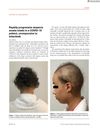
February 2021 in “Journal of the European Academy of Dermatology and Venereology” A COVID-19 patient with severe hair loss did not improve with hair loss medication after stopping and restarting it due to the infection.
5 citations
,
January 2012 in “JBI Library of Systematic Reviews” Avemar may help in cancer treatment, but its effectiveness isn't proven yet.
2 citations
,
June 2021 in “Sultan Qaboos University medical journal” Familial frontal fibrosing alopecia is rare, mostly affects women, and often occurs between sisters or mother-daughter pairs.
62 citations
,
February 2018 in “Scientia Horticulturae” Mycorrhizal fungi improve root hair growth and nutrient uptake in trifoliate orange, especially when phosphorus is low.
1 citations
,
July 2016 in “Dermatologic surgery” 1 citations
,
November 2005 in “PubMed” Itraconazole effectively treats scalp fungus, with continuous use more effective than pulse therapy.
 2 citations
,
September 2016 in “Symbiosis online journal of veterinary sciences”
2 citations
,
September 2016 in “Symbiosis online journal of veterinary sciences” A cat in Brazil was found with a severe skin condition linked to feline AIDS.
 30 citations
,
January 2020 in “Journal of The American Academy of Dermatology”
30 citations
,
January 2020 in “Journal of The American Academy of Dermatology” Fibrosing alopecia in a pattern distribution is a hair loss condition often confused with other types, requiring early treatment but usually not resulting in significant hair regrowth.
 21 citations
,
February 2009 in “Journal of the American Academy of Dermatology”
21 citations
,
February 2009 in “Journal of the American Academy of Dermatology” Some cases of tinea capitis, a fungal scalp infection, can look like scarring hair loss due to the body's immune response and the fungus itself.
July 2024 in “Clinical Case Reports” Recognizing rare hair loss patterns in young females can improve understanding and treatment.
 September 2024 in “Skin Appendage Disorders”
 Tofacitinib helped a woman regrow her hair without relapses after other treatments failed.
1 citations
,
February 2024 in “Journal of the European Academy of Dermatology and Venereology” Certain genetic factors may contribute to frontal fibrosing alopecia in Brazil.
August 2018 in “Journal of the American Academy of Dermatology”  February 2013 in “Journal of The American Academy of Dermatology”
 Hair loss is a common but often unreported side effect of cancer treatments, especially for breast and prostate cancers.