Search
for
Sort by
Research
300-330 / 1000+ results
research Conflicting Auxin-Phosphate Signals Impact on RSL2 Expression and ROS-Homeostasis Linked to Root Hair Growth in Arabidopsis
Auxin helps root hairs grow in high phosphate by affecting ROS and involving RSL2 and RSL4.
research Commentary on A New Subtype of Lichen Planopilaris Affecting Vellus Hairs and Clinically Mimicking Androgenetic Alopecia
New hair loss subtype found, mimics common baldness.
research Rat Hair Follicle Dermal Papillae Have an Extracellular Matrix Containing Basement Membrane Components
research Genotype Triad for HOTAIR rs10783618, LINC-ROR rs1942347, and MALAT1 rs3200401 as Molecular Markers in Systemic Lupus Erythematous
Certain genetic markers can indicate higher or lower risk for systemic lupus erythematosus.
research Cicatricial pattern hair loss is not a variant of lichen planopilaris
Cicatricial pattern hair loss is likely advanced common baldness, not a type of lichen planopilaris.
research Effects of scalp lotion containing alpha lipoic acid derivatives for chemotherapy-induced alopecia in patients with gastrointestinal cancer: A prospective cohort study
The scalp lotion helped increase hair thickness in cancer patients undergoing chemotherapy.
research Lichen planopilaris in 24 African American women
Lichen planopilaris should be considered in diagnosing scarring hair loss in Black women.
research Tick‐Bite Alopecia of the Scalp in a Child: Case Report and Differential Diagnosis With Alopecia Areata and SENLAT
Tick-bite alopecia can be identified by a bite-centered mark and treated with topical steroids, while SENLAT needs doxycycline.
research A(1-7) reduces pathologies associated with SLE in MRL-lpr mice
A(1-7) treatment reduces symptoms of lupus in mice.
research Laminin 332 Is Indispensable for Homeostatic Epidermal Differentiation Programs
Laminin 332 is essential for normal skin cell behavior and structure.
research Hair follicle dystrophy in a litter of domestic cats resembling lanceolate hair mutant mice
A litter of cats had a hair condition similar to a mouse mutation, leading to hair loss and abnormal hair and skin.
research Presentation, diagnosis, and management options of lipedematous alopecia
Lipedematous alopecia involves a thickened scalp and hair loss, with limited effective treatments available.
research Characterization of scalp, eyelash and eyebrow hair regrowth in patients with severe alopecia areata randomized to placebo in brave AA1 and brave AA2 trials
Severe alopecia areata patients have a low chance of spontaneous hair regrowth.

research Lgr5 marks cycling, yet long-lived, hair follicle stem cells
Lgr5 is a marker for active, long-lasting stem cells in mouse hair follicles.
research Clinical Snippets
R-spondin2 may help treat hair loss, gene differences could explain baldness, a peptide's regulation is linked to psoriasis, B-defensin gene copies may affect a skin condition's risk and severity, and potential markers and targets for alopecia areata were identified.
research Four hypotrichosis families with mutations in the gene LSS presenting with and without neurodevelopmental phenotypes
Mutations in the LSS gene cause hair loss and may affect brain development, with varying severity.
research Morphological and histological observations on the hair brush of Endoclita vietnamensis (Lepidoptera, Hepialidae)
The study identifies the pheromone gland's location and structure in Endoclita vietnamensis, aiding future pest control methods.
research Defining the Localization and Molecular Characteristic of Minor Salivary Gland Label-Retaining Cells
The study found stem cells in minor salivary glands that can differentiate and are involved in tumor formation when exposed to tobacco.
research L-(+)-Tartaric Acid Minimally Affects the Viability or Molecular Signature but Increase the Expression of Selected Hair Growth Associated Genes in Human Dermal Papilla Cells
L-(+)-Tartaric Acid may help increase certain hair growth genes without harming cells.
research SALT Score Cards: Facilitating SALT Score Calculation in Alopecia Areata
A new tool simplifies alopecia areata severity scoring but needs validation.
research HAIR TONIC ACTIVITY TEST OF THE LEAVES OF THE LAW OF THE LAW (SANSEVIERIA TRIFASCIATA PRAIN) ON HAIR GROWTH OF MALE RABBITS (LEPUS NIGRICOLLIS)
Mother-in-law's tongue leaf extract at 20% concentration significantly promotes hair growth in male rabbits.
research Effectiveness of low-level laser therapy in lichen planopilaris
Low-level laser therapy may reduce symptoms and increase hair thickness in lichen planopilaris patients.
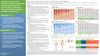
research All Subcomponents of the Cutaneous Lupus Erythematosus Disease Area and Severity Index–Activity (CLASI-A) are Relevant to Identify and Detect Changes in Skin Activity
All parts of the CLASI-A score are important for assessing skin activity in cutaneous lupus erythematosus.
research Acitretin: A good treatment option for hypertrophic lichen planus
Acitretin effectively treats severe hypertrophic lichen planus.
research LO-009 Responsiveness of the CLASI to alopecia and mucous membrane involvement: a retrospective study of prospectively collected data
Excluding alopecia and mucous membrane components from the CLASI-A score reduces its effectiveness in capturing important disease activity.
research Acute Localised Exanthematous Pustulosis
ALEP is a drug-triggered skin reaction with pustules that clears up in a week after stopping the drug.
research Ion pairs of risedronate for transdermal delivery and enhanced permeation rate on hairless mouse skin
Ion-paired risedronate significantly increases skin penetration without irritation compared to risedronate alone.
research 724 - A phase 2b, randomized, double-blinded, parallel-group, placebo-controlled study to evaluate the efficacy and safety of rezpegaldesleukin in adults with severe to very-severe alopecia areata
Rezpegaldesleukin shows promise for treating severe alopecia areata.
research LB793 A phase 1, open-Label, single ascending dose study in healthy subjects of the safety, tolerability and pharmacokinetics of ASLAN004, a novel IgG anti-IL-13 receptor alpha 1 Inhibitor
ASLAN004 was safe and well-tolerated, supporting further development for treating certain diseases.