Search
for
Sort by
Research
150-180 / 1000+ results
research Implications of neuroimaging for the treatment of epilepsy
Neuroimaging suggests that treatments targeting brain steroids could help control epilepsy, especially types linked to the menstrual cycle.
research Stress-Induced Deoxycorticosterone-Derived Neurosteroids Modulate GABAAReceptor Function and Seizure Susceptibility
Stress increases neurosteroids that help prevent seizures.
research Avaliação de respostas defensivas associadas ao pânico em ratas: perfil da ativação serotonérgica no núcleo dorsal da rafe e substância cinzenta periaquedutal
Female rats showed more panic-related behavior than males, influenced by hormonal cycles and certain drugs.
research Adverse events of the thyroid peroxidase inhibitor methimazole in the treatment of hyperthyroidism: a comprehensive analysis from the first quarter of 2004 to the first quarter of 2025
Methimazole for hyperthyroidism has known and new side effects needing more study for safety.
research Adrenal steroid hormone concentrations in dogs with hair cycle arrest (Alopecia X) before and during treatment with melatonin and mitotane
Melatonin and mitotane treatment led to hair re-growth in 62% of dogs with Alopecia X, but this was not always linked to normal hormone levels.

research Repurposing of H1-receptor antagonists (levo)cetirizine, (des)loratadine, and fexofenadine as a case study for systematic analysis of trials on clinicaltrials.gov using semi-automated processes with custom-coded software
Custom software found that common allergy drugs might have new uses for various conditions and could improve survival in some cancers.
research Attenuation of 5α-reductase-mediated progesterone metabolism promotes differentiation of human endometrial stromal cells for the establishment of pregnancy
Reducing 5α-reductase activity helps endometrial cells differentiate, aiding pregnancy.
research Determination of Exemestane in Human Plasma by LC-MS-MS
The method effectively showed that the two exemestane preparations are bioequivalent.
research Enzalutamide/finasteride/goserelin/zoledronic-acid
research Liarozole—a novel treatment approach for advanced prostate cancer: results of a large randomized trial versus cyproterone acetate
Liarozole may be more effective than cyproterone acetate for treating advanced prostate cancer, with better PSA response and survival rates, while maintaining quality of life.
research Weekly azathioprine pulse versus betamethasone oral mini-pulse in the treatment of moderate-to-severe alopecia areata
Weekly azathioprine pulse is a better alternative to corticosteroids for treating alopecia areata due to fewer side effects.
research Novel modulatory effects of neurosteroids and benzodiazepines on excitatory and inhibitory neurons excitability: a multi-electrode array recording study
Neurosteroids and benzodiazepines reduce neuron excitability, with lasting effects on inhibitory neurons.
research Mitoxantrone
Mitoxantrone with a corticosteroid helps manage symptoms for some advanced prostate cancer patients but doesn't extend life.
research Nemolizumab Treatment for Severe Atopic Dermatitis Led to the Simultaneous Improvement of Coexisting Refractory Alopecia Areata: A Case Report
Nemolizumab improved both severe atopic dermatitis and alopecia areata in one patient.
research Allopregnanolone promotes proliferation and differential gene expression in human glioblastoma cells
Allopregnanolone increases growth and changes gene activity in human brain cancer cells.
research Cyproterone acetate for hirsutism
Cyproterone acetate with estradiol may subjectively improve excessive hair growth in women, but it's not clinically better than other treatments.

research A Prospective Randomized Trial Comparing Low Dose Flutamide, Finasteride, Ketoconazole, and Cyproterone Acetate-Estrogen Regimens in the Treatment of Hirsutism
All treatments reduce hair growth; low dose flutamide most effective with fewer side effects.
research Olanzapine counteracts stress-induced anxiety-like behavior in rats
Olanzapine reduces stress-related anxiety in rats when given acutely.

research Abstracts Pt.30
Terbinafine is more effective than itraconazole for toenail fungus, especially in older patients, and debridement improves its effectiveness.
research Constructing transnational divas: Gendered production of Balkan Turbo-folk music
Switching to a twice-weekly betamethasone treatment led to full hair regrowth in alopecia areata without side effects.
research Apremilast treatment of atopic dermatitis and other chronic eczematous dermatoses
Apremilast improved symptoms in patients with severe skin conditions.
research Estrous Cycle-Dependent Changes in Basal and Ethanol-Induced Activity of Cortical Dopaminergic Neurons in the Rat
research [PRACTICAL EXPERIENCES WITH OVULATION INHIBITION].
Ovulation inhibitors effectively treat menstrual issues and improve fertility but can have side effects.
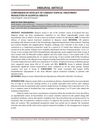
research COMPARISON OF EFFICACY OF VARIOUS TOPICAL TREATMENT MODALITIES IN ALOPECIA AREATA
0.05% Betamethasone Dipropionate is the most effective topical treatment for alopecia areata.
research NEW PROPRIETARY BRANDS: Cefaclor monohydrate
Lifestyle changes are more effective than medication for reducing type 2 diabetes risk.
research Letrozole-Assisted Ovulation Induction Combined with Lifestyle Modification in Women with PCOS: A Review
Letrozole with lifestyle changes improves fertility in women with PCOS.
research TRIAMCINOLONE ACETONIDE INTRAMUSCULARLY: EFFECTIVE LONG‐ACTING STEROID THERAPY IN DERMATOLOGIC DISORDERS
Triamcinolone acetonide injections effectively treat skin disorders like eczema and psoriasis.
research Alopesi areata hastalarında topikal kortikosteroid (%0.05 Klobetasol Propionat) tedavisi ile % 1 topikal pimekrolimus tedavisinin karşılaştırılması / Comparison of topical corticosteroid (%0.05 Clobetasol propionate) treatment and %1 pimecrolimus treatment in alopesia areata patients
research Effect of a combination of ethinylestradiol and desogestrel in adolescents with oligomenorrhea and ovarian hyperandrogenism
The treatment temporarily improved symptoms of hyperandrogenism in adolescents.