 5 citations
,
July 2021 in “medRxiv (Cold Spring Harbor Laboratory)”
5 citations
,
July 2021 in “medRxiv (Cold Spring Harbor Laboratory)” Proxalutamide significantly lowered hospitalization rates in women with mild-to-moderate COVID-19.
October 2025 in “Frontiers in Medicine” Ixekizumab has known and some unexpected side effects.
 February 2025 in “PubMed”
 CS12192 effectively treats alopecia areata with better safety than current options.
 October 2023 in “Open Repository of the University of Porto (University of Porto)”
 Pharmacists play a key role in health education and managing treatments for conditions like hair loss and smoking cessation.
54 citations
,
May 2019 in “Multiple Sclerosis and Related Disorders” Azathioprine can help with relapses and disability in NMOSD but has more side effects and needs more research.
June 2025 in “British Journal of Dermatology” Irish dermatologists urgently need guidelines for using JAK inhibitors in treating alopecia areata.
13 citations
,
April 2019 in “International journal of molecular sciences” Acyzol could help treat conditions caused by zinc deficiency.
April 2011 in “Reactions Weekly” 43 citations
,
November 2009 in “Archives of dermatology” Alefacept does not effectively treat severe alopecia areata.
2 citations
,
December 2013 in “Cancer research” Enobosarm may effectively treat androgen receptor-positive breast cancer with fewer side effects.
12 citations
,
May 2010 in “Journal of Clinical Oncology” MK-5108 is safe and shows potential against tumors, especially alone.
 1 citations
,
April 2022 in “Rheumatology”
1 citations
,
April 2022 in “Rheumatology” A man developed autoimmune symptoms after the Pfizer COVID-19 vaccine, highlighting the need for thorough vaccine safety checks.
June 2025 in “Revista Foco” JAK inhibitors effectively treat severe alopecia areata with manageable side effects.
45 citations
,
July 2025 in “Journal of Medicinal Chemistry” Vepdegestrant may become the first FDA-approved PROTAC degrader, marking a new era in drug development.
January 2026 in “Zenodo (CERN European Organization for Nuclear Research)” January 2026 in “Zenodo (CERN European Organization for Nuclear Research)” 3 citations
,
May 2007 in “Journal of Heterocyclic Chemistry” A new method to make finasteride for hair loss treatment was developed.
September 2023 in “Journal of the American Academy of Dermatology” Ixekizumab is safe for long-term use with low rates of major heart-related events.
21 citations
,
December 2017 in “The journal of investigative dermatology. Symposium proceedings/The Journal of investigative dermatology symposium proceedings” Simvastatin/ezetimibe may help treat new cases of alopecia areata but not long-term cases.
 March 2005 in “Journal of the American Academy of Dermatology”
 Bexarotene 1% topical gel helped some patients with alopecia areata regrow hair.
The combined treatment of Finasteride and Doxazosin affects prostate tissue by reducing cell growth and altering hormone levels.
A medicine company has recalled a drug because it contained an unlisted blood pressure medication.
 7 citations
,
May 2010 in “Journal of Dermatological Treatment”
7 citations
,
May 2010 in “Journal of Dermatological Treatment” A man with multiple autoimmune diseases developed liver injury from azathioprine, but his liver improved after stopping the drug.
 April 2024 in “JEADV clinical practice”
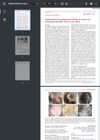
 Upadacitinib significantly improved both rheumatoid arthritis and alopecia areata in a patient.
 24 citations
,
June 2016 in “Acta dermato-venereologica”
24 citations
,
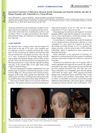
June 2016 in “Acta dermato-venereologica” Tofacitinib helped a young woman's severe hair loss and arthritis but not her plaque psoriasis.
23 citations
,
October 2008 in “Journal of medicinal chemistry” PF-998425 is a new, effective, and non-phototoxic treatment for skin conditions related to androgens.
6 citations
,
August 2024 in “The Journal of Dermatology” Ozenoxacin reduces sebum production, helping manage acne.
August 2025 in “Australasian Journal of Dermatology” Experts created guidelines for who in Australia can get subsidized JAK inhibitor therapy for alopecia areata.
3 citations
,
February 2019 in “Molecular genetics and metabolism” The combination of tadalafil and finasteride improves urinary symptoms and erectile function in men with enlarged prostates.
September 2025 in “Cosmetics” Genetic profiling can improve androgenetic alopecia treatment by predicting drug response and minimizing side effects.