 April 2017 in “Journal of Investigative Dermatology”
 Scientists can control how skin stem cells divide by using different treatments.
79 citations
,
November 2016 in “EMBO Reports” Disruptions in mammary stem cell division can lead to cancer, but targeting these processes might help treat breast cancer.
Glycogen helps E. coli cells divide unevenly and organize their contents.
 150 citations
,
December 2012 in “EMBO Reports”
150 citations
,
December 2012 in “EMBO Reports” Stem cell self-renewal is complex and needs more research for full understanding.
April 2010 in “Cancer Research” CDK4 levels affect the number of hair follicle stem cells in mice.
 January 2008 in “Yearbook of Dermatology and Dermatologic Surgery”
 One type of progenitor cell can maintain normal skin in mice.
 June 2021 in “bioRxiv (Cold Spring Harbor Laboratory)”
 KIF18B is important for correctly positioning cell division machinery in skin cells, affecting hair follicle development.
 22 citations
,
June 2013 in “International journal of molecular sciences”
22 citations
,
June 2013 in “International journal of molecular sciences” Stem cell differentiation is crucial for skin barrier maintenance and its disruption can lead to skin diseases.
 April 2023 in “Journal of Investigative Dermatology”
 POUF51 and HES3 are key in controlling stem cell numbers in psoriasis.
 April 2017 in “Journal of Investigative Dermatology”
 A virus protein can activate a pathway that may lead to abnormal hair follicle development.
 61 citations
,
September 2008 in “Stem Cells”
61 citations
,
September 2008 in “Stem Cells” Most hair follicle stem cells do not protect their DNA by dividing it unevenly.
July 2024 in “Journal of Investigative Dermatology” Substance P helps restore skin thickness and cell renewal when sensory nerves are reduced.
October 2020 in “Faculty Opinions – Post-Publication Peer Review of the Biomedical Literature” Stem cell niche exit in C. elegans is influenced by Sh1 cell membrane protrusions.
25 citations
,
July 2015 in “EMBO Reports” Tmem50b and 2610305D13Rik genes play key roles in early mouse embryo development.
 91 citations
,
December 2010 in “Stem Cells”
91 citations
,
December 2010 in “Stem Cells” Wnt signaling helps control how brain stem cells divide and is important for brain repair after injury.
 26 citations
,
January 2019 in “Experimental Dermatology”
26 citations
,
January 2019 in “Experimental Dermatology” Researchers created early-stage hair-like structures from skin cells, showing how these cells can self-organize, but more is needed for complete hair growth.
 6 citations
,
July 2005 in “Farmaco”
6 citations
,
July 2005 in “Farmaco” A quick and simple method was created to identify minoxidil in hair-growth products using micellar electrokinetic capillary chromatography.
 1 citations
,
January 2023 in “International journal of all research education and scientific methods”
1 citations
,
January 2023 in “International journal of all research education and scientific methods” Hair analysis is better than urine and blood for detecting past drug use.
 24 citations
,
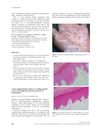
September 2008 in “Clinical and experimental dermatology”
24 citations
,
September 2008 in “Clinical and experimental dermatology” Repigmentation in vitiligo may come from melanocyte stem cells in the skin.
 31 citations
,
September 2016 in “PLoS ONE”
31 citations
,
September 2016 in “PLoS ONE” Cell division orientation varies by body site and is linked to epidermal thickness and cell density.
 6 citations
,
July 2007 in “Aesthetic Surgery Journal”
6 citations
,
July 2007 in “Aesthetic Surgery Journal” The document concludes that using autologous follicular unit implantation is a successful method to correct hairline deformities after facial rejuvenation.
 51 citations
,
May 2021 in “Nature Communications”
51 citations
,
May 2021 in “Nature Communications” High proliferation and cell delamination drive early skin development, while later stages may not rely on cell division orientation.
 47 citations
,
April 2012 in “The Plant Journal”
47 citations
,
April 2012 in “The Plant Journal” Phosphorylation of certain parts of the PIN3 protein is crucial for its role in plant root growth and response to gravity.
 200 citations
,
November 1997 in “Planta”
200 citations
,
November 1997 in “Planta” Calcium affects where root hairs grow, but other unknown factors determine their growth direction.
 57 citations
,
March 2018 in “International Journal of Molecular Sciences”
57 citations
,
March 2018 in “International Journal of Molecular Sciences” The extracellular matrix is crucial for controlling skin stem cell behavior and health.
 55 citations
,
March 2012 in “Journal of Investigative Dermatology”
55 citations
,
March 2012 in “Journal of Investigative Dermatology” Research on epidermal stem cells has advanced significantly, showing promise for improved clinical therapies.
15 citations
,
November 2020 in “Development” Stem cells in the eye have different roles and behaviors, helping maintain and repair the eye's surface.
 49 citations
,
June 2019 in “eLife”
49 citations
,
June 2019 in “eLife” Ancient DNA blocks are still present in human genomes, possibly due to advantages they provide.
5 citations
,
May 2021 in “EMBO journal” Cell polarity signaling controls tissue mechanics and cell fate, with complex interactions and varying pathways across species.
 May 2002 in “British Journal of Dermatology”
 A pregnant woman's skin condition improved after giving birth, possibly due to high estrogen levels during pregnancy.