1 citations
,
April 2023 in “Portuguese Journal of Dermatology and Venereology” JAK inhibitors are effective treatments for alopecia areata.
January 2026 in “Dermatologic Therapy” Ritlecitinib is effective and safe for treating severe alopecia areata, showing significant hair regrowth and improved mental health.
2 citations
,
February 2024 in “Medicine” A mutation in the IL2RA gene increases the risk of alopecia areata.
 December 2022 in “KSBB Journal”
 Activating TLR3 boosts autophagy gene expression in skin cells.
6 citations
,
July 2005 in “Acta Ophthalmologica Scandinavica” Mitochondriopathy may cause eyelash loss.
April 2011 in “Medical Journal of Tabriz University of Medical Sciences and Health Services” Many patients with Alopecia Areata have underlying autoimmune disorders, especially thyroid issues.
48 citations
,
June 2000 in “Japanese Journal of Cancer Research” Dimethylarsinic acid speeds up skin tumor growth in certain mice.
1 citations
,
January 2022 in “Dermatology Research and Practice” Higher CD70 and CD27 gene expression in alopecia areata lesions predicts disease severity and activity.
 January 2011 in “Journal of Human Genetics”
 A Japanese patient with a rare genetic disorder had a less severe case than others, suggesting other factors may affect symptoms.
2 citations
,
January 2018 Diffuse alopecia areata causes widespread hair thinning due to an autoimmune response.
5 citations
,
February 2012 in “Australasian Journal of Dermatology” Two red-haired men with alopecia areata regrew black hair instead of red.
 21 citations
,
February 2012 in “Journal of the European Academy of Dermatology and Venereology”
21 citations
,
February 2012 in “Journal of the European Academy of Dermatology and Venereology” Late-onset alopecia areata in Taiwanese patients is more common in women, usually starts at age 57, often involves less than 10% hair loss, and may have a minimal link to thyroid issues.
July 2019 in “Indian dermatology online journal” Alopecia areata can show unusual red-dotted vessels and dithranol treatment may mask typical patterns.
4 citations
,
August 2024 in “Non-coding RNA Research” 2 citations
,
March 2024 in “Pediatric Dermatology” Two siblings have a rare hair condition caused by a new genetic variant.
18 citations
,
February 2001 in “Der Hautarzt” A woman with myotonic dystrophy had multiple skin tumors on her scalp, suggesting a genetic link.
 1 citations
,
October 2025 in “Cureus”
1 citations
,
October 2025 in “Cureus” Ritlecitinib may cause severe musculoskeletal pain in some alopecia universalis patients.
9 citations
,
May 2002 in “PubMed” Retinoic acid affects skin and hair health by working with specific receptors, and its absence can lead to hair loss and skin changes.
23 citations
,
December 2013 in “Journal of Investigative Dermatology Symposium Proceedings” Genetic discoveries are leading to new treatments for alopecia areata.
July 2022 in “Journal of Investigative Dermatology” TRPS1 loss in balding scalp areas contributes to hair loss in androgenic alopecia.
55 citations
,
October 2015 in “Journal of Investigative Dermatology” Alopecia areata is linked to immune-related genes, suggesting JAK inhibitors as a potential treatment.
5 citations
,
January 1999 in “Pediatric Dermatology” A young girl had both alopecia areata and immune thrombocytopenic purpura at the same time, suggesting a possible link between the two.
 19 citations
,
August 2008 in “Journal of The European Academy of Dermatology and Venereology”
19 citations
,
August 2008 in “Journal of The European Academy of Dermatology and Venereology” Bald areas have lower cell growth, more DNA damage, and increased cell death.
 August 2025 in “BMC Pregnancy and Childbirth”
 A new EDA gene variant causes X-linked hypohidrotic ectodermal dysplasia in a Chinese family.
 1 citations
,
July 2019 in “Medicina Clínica (English Edition)”
1 citations
,
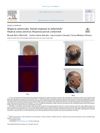
July 2019 in “Medicina Clínica (English Edition)” Tofacitinib partially improved hair regrowth in a patient with severe hair loss.
June 2026 in “British Journal of Dermatology” Ritlecitinib shows promise in improving severe alopecia areata, with 27% of patients seeing success.
5 citations
,
February 2025 in “Pediatric Dermatology” Ritlecitinib was generally well tolerated in children with alopecia areata.

CD4 T cells need IFN-γ to cause hair loss in alopecia areata.
December 2020 in “American Journal of Transplantation” Early recognition and treatment of VATS in transplant patients improve outcomes.
Retinoids can help treat skin pigmentation disorders by affecting melanin production.