 April 2018 in “bioRxiv (Cold Spring Harbor Laboratory)”
 A gene variant causes patched hair loss in mice, similar to alopecia areata in humans.
41 citations
,
April 2009 in “Journal of comparative neurology” P2X3-IR fibers are widespread in rat skin and likely help detect pain.
1 citations
,
November 2013 in “Asian Journal of Pharmaceutical and Clinical Research” Medicated oil from Martynia annua leaves and fruits helps prevent hair loss caused by testosterone in mice.
June 2020 in “Zenodo (CERN European Organization for Nuclear Research)” Controlled microflora in animals delays immune cell maturation and affects immunity.
 31 citations
,
April 2007 in “Experimental Dermatology”
31 citations
,
April 2007 in “Experimental Dermatology” Stress in mice delays hair growth and treatments blocking substance P can partly reverse this effect.
7 citations
,
December 1956 in “Science” 1 citations
,
December 1956 in “Science”  January 2002 in “Proceedings of The Japanese Society of Animal Models for Human Diseases”
 Keratin2-6g is crucial for hair follicle development, with mutations causing cell degeneration and vacuolation.
 6 citations
,
April 2017 in “Experimental dermatology”
6 citations
,
April 2017 in “Experimental dermatology” CD80CD86 deficiency causes hair loss by disrupting regulatory T cells.
 21 citations
,
September 2008 in “Magnetic Resonance Imaging”
21 citations
,
September 2008 in “Magnetic Resonance Imaging” MRI can effectively image skin structures noninvasively.
115 citations
,
December 2001 in “Endocrinology” Expressing the human vitamin D receptor in skin cells prevents hair loss in certain mice.
16 citations
,
September 2019 in “Journal of biological chemistry/The Journal of biological chemistry” Mice without certain skin enzymes have faster hair growth and bigger eye glands.
November 2024 in “Biochemical and Biophysical Research Communications” Abnormal gene expression related to keratin causes hair loss in certain mice.
 April 2018 in “The journal of investigative dermatology/Journal of investigative dermatology”
 miR-486 may help prevent hair loss in alopecia areata.
297 citations
,
January 2002 in “Development” Overexpression of ΔNLef1 in mouse skin leads to hair loss, cysts, and skin tumors.
4 citations
,
July 2019 in “Experimental Dermatology” 2-deoxy D-glucose does not help with hair regrowth in alopecia areata.
53 citations
,
January 1986 in “Endocrinology” Blocking a specific enzyme in male rat fetuses leads to the development of nipples and feminized genitalia.
January 2026 in “AIP conference proceedings”  April 2026 in “Amino Acids”
 Polyamines are crucial for skin tumor development, and inhibiting them can prevent tumors.
 65 citations
,
June 2003 in “EMBO journal”
65 citations
,
June 2003 in “EMBO journal” Noggin overexpression delays eyelid opening by affecting cell death and skin cell development.
 13 citations
,
January 2020 in “Scientific Reports”
13 citations
,
January 2020 in “Scientific Reports” The African spiny mouse heals skin without scarring due to different protein activity compared to the common house mouse, which heals with scarring.
 December 2023 in “The journal of investigative dermatology/Journal of investigative dermatology”
 MCPIP1 in myeloid cells is important for skin cancer development and healthy hair growth.
 5 citations
,
June 2017 in “in Vivo”
5 citations
,
June 2017 in “in Vivo” Vitamin C deficiency changes gene expression, affecting skin and hair health.
January 2020 in “ScholarWorks (Central Washington University)” NAG-1 may help prevent some metabolic issues related to PCOS.
 April 2024 in “bioRxiv (Cold Spring Harbor Laboratory)”
 Removing Sprouty genes in mice causes various hormone-related issues but does not increase cancer risk by one year of age.
 49 citations
,
August 2004 in “The FASEB Journal”
49 citations
,
August 2004 in “The FASEB Journal” Mice with human skin protein K8 had more skin problems and cancer.
 10 citations
,
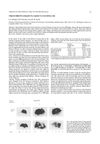
May 1986 in “Experientia”
10 citations
,
May 1986 in “Experientia” Too much zinc in the diet can cause hair loss and color change in young mice by reducing copper in the body.
 57 citations
,
February 1994 in “Experimental dermatology”
57 citations
,
February 1994 in “Experimental dermatology” Melatonin affects mouse skin and may regulate skin functions.
2 citations
,
July 1994 in “Journal of Dermatological Science” Grafted human scalp samples on mice can produce human hair, useful for studying hair genetics.
June 2026 in “Journal of Investigative Dermatology”