 118 citations
,
October 2013 in “Trends in Genetics”
118 citations
,
October 2013 in “Trends in Genetics” The AUTS2 gene is linked to neurological disorders and may affect human brain development and cognition.
 15 citations
,
January 2020 in “BioMed Research International”
15 citations
,
January 2020 in “BioMed Research International” BTA safely and effectively treats hair loss, and works better with FNS.
January 2024 in “International Journal of Physics and Applications” Low-level laser therapy can boost cell activity and energy production.
Not having the gene PLAAT3 leads to fat loss, high insulin resistance, and abnormal fat levels in the blood due to a disruption in fat cell development and function.
 April 2023 in “Journal of Investigative Dermatology”
 Autophagy is important for determining the protein makeup of hair.
1 citations
,
August 2016 in “Dermatology - Open Journal” Mitochondria change shape to meet energy needs during cell movement.
 May 2026 in “Journal of the Egyptian Womenʼs Dermatologic Society”
 Impaired autophagy may contribute to alopecia areata.
 14 citations
,
December 2010 in “Journal of human genetics”
14 citations
,
December 2010 in “Journal of human genetics” A Japanese patient with IFAP syndrome had a severe MBTPS2 gene mutation but showed milder symptoms than previously observed cases.
49 citations
,
May 1974 in “Biochimica et Biophysica Acta (BBA) - Protein Structure” Transamidases are present in the epidermis but their exact role is unclear.
September 2023 in “Journal of the American Academy of Dermatology” CTP-543 is generally safe for treating alopecia areata.
 6 citations
,
April 2021 in “Scientific Reports”
6 citations
,
April 2021 in “Scientific Reports” Phytochrome A is crucial for normal metabolism and development in tomato seedlings under far-red light.
 9 citations
,
November 2019 in “Scientific reports”
9 citations
,
November 2019 in “Scientific reports” The AC 2 peptide from Trapa japonica fruit helps protect hair cells and may treat hair loss.
 June 2015 in “한국화장품미용학회지”
 AT-Grow, a natural product, might help with a common type of hair loss by reducing DHT levels.
 April 2023 in “Journal of Investigative Dermatology”
 Compounds A and B help men's skin recover faster by reducing oxidative damage and increasing energy levels.
 7 citations
,
September 2019 in “Journal of Cellular Physiology”
7 citations
,
September 2019 in “Journal of Cellular Physiology” Akt2 protein is essential for normal cell division in early mouse embryos.
April 2018 in “Cytotherapy” Both treatments promote hair growth safely, but stem cells are slightly more effective.
October 2025 in “Journal of Cosmetic Dermatology” AOPT-MTL effectively and safely treats nasal blackheads in Asians.
August 2023 in “Fermentation” Scientists can use engineered microbes to make L-aspartate and related chemicals, but there's still room to improve their efficiency.
June 2026 in “Journal of Investigative Dermatology” Retinoic acids temporarily change skin stem cells to a slower cycle and more differentiated state.
 3 citations
,
July 2021 in “Aesthetic Plastic Surgery”
3 citations
,
July 2021 in “Aesthetic Plastic Surgery” PHAT may improve hair growth better than PRP alone.
 May 2023 in “The journal of investigative dermatology/Journal of investigative dermatology”
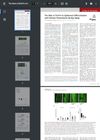
 EAAT4 decreases with age, harming skin function and calcium balance.
November 2023 in “Bioengineering” AMT® is effective and safe for early-stage knee osteoarthritis.
3 citations
,
October 2024 in “International Journal of Molecular Sciences” Acetylsalicylic acid affects platelet-rich plasma activation, requiring personalized approaches for effective treatment.
 18 citations
,
February 2019 in “Scientific Reports”
18 citations
,
February 2019 in “Scientific Reports” Trichostatin A helps restore hair-growing ability in skin cells used for hair regeneration.
 April 2018 in “Journal of Investigative Dermatology”
 People with alopecia areata have higher levels of a heart disease marker in their blood.
Arabidopsis Formin 2 stabilizes actin filaments, affecting cell-to-cell movement and virus susceptibility.
 182 citations
,
August 2016 in “Development”
182 citations
,
August 2016 in “Development” ATP-dependent chromatin-remodeling complexes are crucial for gene regulation, cell differentiation, and organ development in mammals.
46 citations
,
June 2013 in “Journal of structural biology” High glycine–tyrosine keratin-associated proteins help make hair strong and maintain its shape.
63 citations
,
May 2015 in “PloS one” GALT5 and GALT2 are important for plant growth and development because they help with protein glycosylation.
 19 citations
,
November 1971 in “Clinica Chimica Acta”
19 citations
,
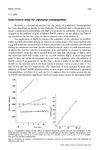
November 1971 in “Clinica Chimica Acta” The document concludes that measuring γ-glutamyl transpeptidase activity is more accurate with a higher substrate concentration and using diluted acetic acid to stop the reaction.