 June 2023 in “British journal of dermatology/British journal of dermatology, Supplement”
 A woman's rare hair loss condition improved on its own, suggesting this type might recover like common cases.
 January 1953 in “The Lancet”
 Alopecia areata's causes are unclear, treatments exist but relapses are common.
109 citations
,
November 1987 in “Archives of dermatology” Anthralin cream helped 25% of patients with severe alopecia areata regrow hair, but caused skin irritation.
 25 citations
,
April 2007 in “Journal of The American Academy of Dermatology”
25 citations
,
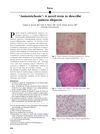
April 2007 in “Journal of The American Academy of Dermatology” The document suggests "anisotrichosis" as a new term for hair thickness variation in common baldness.
 1 citations
,
May 2017 in “Journal of The American Academy of Dermatology”
1 citations
,
May 2017 in “Journal of The American Academy of Dermatology” A woman's hair grew back after stopping acitretin for psoriasis and getting steroid treatment, and low vitamin D might be linked to alopecia severity.
 March 2026 in “Frontiers in Veterinary Science”
 All-trans retinoic acid slows cell growth and increases cell death in goat hair follicles through a specific pathway.
9 citations
,
July 1993 in “Archives of dermatology” Pityriasis amiantacea is a scalp condition with thick, greasy scales and sometimes hair loss.
378 citations
,
February 2020 in “Nature Reviews Endocrinology” 215 citations
,
September 2003 in “Journal of Biological Chemistry” Vitamin D receptor and hairless protein are essential for hair growth.
180 citations
,
January 2002 in “The journal of investigative dermatology/Journal of investigative dermatology” Vitamin D Receptor is crucial for normal skin and hair growth.
151 citations
,
June 2010 in “Endocrinology and metabolism clinics of North America” Two rare genetic diseases cause severe rickets in children due to defects in vitamin D metabolism.
107 citations
,
March 2014 in “BoneKEy Reports” Mutations in the vitamin D receptor cause hereditary vitamin D-resistant rickets, leading to poor bone health and requiring high calcium doses for treatment.
98 citations
,
February 2010 in “Dermatology Online Journal” Vitamin D may help treat hair disorders.
87 citations
,
February 2009 in “PubMed” Alopecia in captive primates can be caused by many factors, so thorough testing is needed before blaming stress.
78 citations
,
January 2013 in “Dermatology Online Journal” Hidradenitis suppurativa is linked to various diseases like obesity, depression, arthritis, and Crohn's disease, but often occurs alone.
78 citations
,
November 2005 in “Endocrinology” Hairless protein can block vitamin D activation in skin cells.
76 citations
,
January 2010 in “Journal of bone and mineral metabolism” 66 citations
,
January 2020 in “Acta Dermato Venereologica” New genetic variants linked to inherited ichthyoses were identified, offering insights for potential gene therapy.
 61 citations
,
July 2011 in “PLOS ONE”
61 citations
,
July 2011 in “PLOS ONE” Spermidine may help reduce hair loss and deserves further testing as a treatment.
50 citations
,
February 2013 in “BMC evolutionary biology” Cetaceans lost hair due to changes in the Hr and FGF5 genes.
45 citations
,
June 2003 in “Journal of Investigative Dermatology Symposium Proceedings” Understanding hair follicles through various models can help develop new treatments for hair disorders.
42 citations
,
March 2015 in “Anais Brasileiros de Dermatologia” Anti-TNF therapy can cause hair loss and skin issues.
37 citations
,
October 2006 in “Archives of Biochemistry and Biophysics” A unique gene mutation causes vitamin D-resistant rickets without causing hair loss.
29 citations
,
March 2000 in “Journal of Investigative Dermatology” The gene for Marie Unna hereditary hypotrichosis is located on chromosome 8p21.
27 citations
,
June 2020 in “Genes” Lykoi cats' unique sparse hair is linked to specific genetic variants in the Hairless gene.
 26 citations
,
July 2019 in “Dermatology and Therapy”
26 citations
,
July 2019 in “Dermatology and Therapy” The conclusion is that genetic testing is important for diagnosing and treating various genetic hair disorders.
25 citations
,
March 2008 in “The journal of investigative dermatology/Journal of investigative dermatology” Vitamin D Receptor is needed for hair growth in mice but not for skin stem cell maintenance.
22 citations
,
October 2004 in “Journal of Investigative Dermatology” The gene causing hair loss and heart issues in rough coat mice is still unknown.
20 citations
,
October 2024 in “British Journal of Dermatology” The guideline provides recommendations for managing alopecia areata effectively.
 18 citations
,
January 2020 in “Frontiers in Chemistry”
18 citations
,
January 2020 in “Frontiers in Chemistry” A new model can predict drug-disease links well, helping drug research.