 2 citations
,
May 2017 in “Springer eBooks”
2 citations
,
May 2017 in “Springer eBooks” Pregnancy can cause skin changes and affect existing skin conditions, with limited treatment options due to the need for fetal safety.
 1 citations
,
April 2023 in “Clinical, cosmetic and investigational dermatology”
1 citations
,
April 2023 in “Clinical, cosmetic and investigational dermatology” Antigens from skin cells may cause hair loss in perinevoid alopecia.
 1 citations
,
February 2004
1 citations
,
February 2004 Skin diseases are common and can significantly affect people's lives; better outcome measures and ethical clinical trials are needed to improve dermatology care.
 6 citations
,
April 2013 in “Current Dermatology Reports”
6 citations
,
April 2013 in “Current Dermatology Reports” Dermatologists are crucial for managing skin side effects in metastatic melanoma patients using vemurafenib and ipilimumab.
 May 2009 in “The American Journal of Dermatopathology”
 Mast cells play a significant role in hair loss conditions like male pattern hair loss and alopecia areata.
 46 citations
,
December 2003 in “Advances in neonatal care”
46 citations
,
December 2003 in “Advances in neonatal care” Assessing newborn scalp hair can reveal important health information.
 37 citations
,
January 2002 in “British journal of dermatology/British journal of dermatology, Supplement”
37 citations
,
January 2002 in “British journal of dermatology/British journal of dermatology, Supplement” Apple extract called procyanidin B-2 was found to greatly increase hair growth.
 34 citations
,
June 2014 in “The BMJ”
34 citations
,
June 2014 in “The BMJ” Pregnancy can change skin disease severity, with some conditions improving and others worsening, and treatment should balance benefits and fetal safety.
 25 citations
,
January 2005 in “Pediatric Dermatology”
25 citations
,
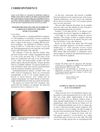
January 2005 in “Pediatric Dermatology” Methotrexate effectively treated a 2-year-old's generalized pustular psoriasis without side effects.
 21 citations
,
January 2005 in “Pediatric Dermatology”
21 citations
,
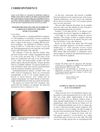
January 2005 in “Pediatric Dermatology” An 8-year-old girl with vitiligo developed extra hair growth on her knee after using tacrolimus ointment.
 16 citations
,
January 2005 in “Pediatric Dermatology”
16 citations
,
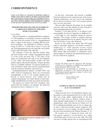
January 2005 in “Pediatric Dermatology” A 10-year-old girl with Fox Fordyce disease improved with treatment, suggesting the disease can occur before puberty and might be underdiagnosed in young girls.
 14 citations
,
January 1985 in “International Journal of Dermatology”
14 citations
,
January 1985 in “International Journal of Dermatology” The cause of alopecia areata was unknown, and while various treatments existed, no best treatment was agreed upon.
 12 citations
,
November 2020 in “Molecules”
12 citations
,
November 2020 in “Molecules” Carvone helps treat skin issues by reducing melanin and stopping harmful cell growth.
 12 citations
,
January 2005 in “Pediatric Dermatology”
12 citations
,
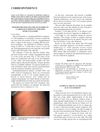
January 2005 in “Pediatric Dermatology” Fox Fordyce disease might be more common in prepubertal girls than thought and can be managed with treatment.
 11 citations
,
September 2015 in “Medical Principles and Practice”
11 citations
,
September 2015 in “Medical Principles and Practice” In a Tuscan pediatric clinic, 7.19% of children had hair or scalp disorders, with nonscarring alopecia being the most common.
 11 citations
,
December 2006 in “Expert Review of Dermatology”
11 citations
,
December 2006 in “Expert Review of Dermatology” Dermoscopy is becoming essential for diagnosing skin conditions and is expected to be a standard tool for dermatologists.
 11 citations
,
May 1998 in “Child's nervous system”
11 citations
,
May 1998 in “Child's nervous system” A baby had a rare condition with abnormal blood vessels in the brain and unusual skin and hair growth, possibly a new syndrome.
 11 citations
,
April 2009 in “Pharmacotherapy”
11 citations
,
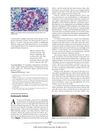
April 2009 in “Pharmacotherapy” Minoxidil can cause deadly skin reaction; monitor patients closely.
 10 citations
,
February 2006 in “Archives of dermatology”
10 citations
,
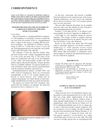
February 2006 in “Archives of dermatology” A man's chest hair turned white after a shingles infection, possibly due to virus-damaged pigment cells.
 9 citations
,
January 2005 in “Pediatric Dermatology”
9 citations
,
January 2005 in “Pediatric Dermatology” Fox Fordyce disease can occur in prepubertal girls and may be underdiagnosed.
 3 citations
,
August 2012 in “The American Journal of Dermatopathology”
3 citations
,
August 2012 in “The American Journal of Dermatopathology” A man with a birthmark on his scalp developed hair loss that improved with treatment, but the link between the birthmark and hair loss was unclear.
 2 citations
,
September 2014 in “Journal of evolution of medical and dental sciences”
2 citations
,
September 2014 in “Journal of evolution of medical and dental sciences” Most HIV patients in the study showed skin and mucous membrane issues, with oral thrush being the most common.

Obstructive sleep apnea can be hereditary and linked to a genetic mutation in the COL1A2 gene.
 January 2022 in “Dermatology Review”
 Higher IL-31 levels are linked to worse itching in chronic kidney disease patients.
 September 2016 in “Journal of Dermatological Science”
 Golden oyster mushroom extract may protect skin cells from aging by its antioxidant properties.
 July 2016 in “American Journal of Dermatopathology”
 The meeting showcased rare skin disease cases, highlighting the need for accurate diagnosis and treatment.
 November 2013 in “John Wiley & Sons, Ltd eBooks”
 Skin symptoms can indicate endocrine disorders and have various treatments.
 November 2013 in “John Wiley & Sons, Ltd eBooks”
 The document concludes that accurate diagnosis of male and female gonadal disorders is crucial for effective treatment and better patient outcomes.
 June 2008 in “Springer eBooks”
 The document concludes that permanent hair loss conditions are complex, require early specific treatments, and "secondary permanent alopecias" might be a more accurate term than "secondary cicatricial alopecia."
 April 1963 in “Archives of Dermatology”
 Dermatological conditions are complex and treatments often have mixed results.