 1 citations
,
October 2008 in “Expert Review of Dermatology”
1 citations
,
October 2008 in “Expert Review of Dermatology” Frontal Fibrosing Alopecia is a slowly progressing hair loss condition, likely underdiagnosed, with ineffective treatments, needing more research to understand it fully.
 185 citations
,
August 2005 in “Autoimmunity Reviews”
185 citations
,
August 2005 in “Autoimmunity Reviews” Alopecia areata is an autoimmune condition causing hair loss due to the immune system attacking hair follicles, often influenced by genetics and stress.
December 2020 in “Journal of Face Aesthetics” Trichoscopy effectively helps diagnose different types of hair loss in women.
August 2025 in “Veterinary Dermatology” Canine alopecia areata is a chronic condition needing long-term management.
 81 citations
,
July 2011 in “Lasers in Medical Science”
81 citations
,
July 2011 in “Lasers in Medical Science” The Lexington LaserComb helped regrow hair in mice with a condition similar to human hair loss.
January 2022 in “Clinical Cases in Dermatology” A woman has a permanent hair loss condition treated with steroids and new medicines, but hair might not regrow.
 January 2025 in “Indian Journal of Dermatology”
 Frontal fibrosing alopecia is a challenging hair loss condition with no known cause or definitive treatment.
 30 citations
,
October 2013 in “Lupus”
30 citations
,
October 2013 in “Lupus” Hair loss in lupus is different from hair loss in alopecia areata and may indicate lupus activity.
 1 citations
,
April 2021 in “bioRxiv (Cold Spring Harbor Laboratory)”
1 citations
,
April 2021 in “bioRxiv (Cold Spring Harbor Laboratory)” RD26 controls root hair growth during drought by repressing key genes, helping plants save energy.
 November 2018 in “Skin appendage disorders”
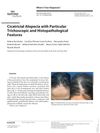
 The document concludes that a woman has both Frontal Fibrosing Alopecia and Lichen Simplex Chronicus, a previously unreported combination of conditions.
April 2025 in “Journal of Oncology Pharmacy Practice” The scalp lotion helped increase hair thickness in cancer patients undergoing chemotherapy.
November 2024 in “Chattagram Maa-O-Shishu Hospital Medical College Journal” Identifying alopecia types early is crucial for better treatment and quality of life.
 1 citations
,
January 2013 in “Dermatology practical & conceptual”
1 citations
,
January 2013 in “Dermatology practical & conceptual” The book is a useful guide for identifying hair loss conditions with clear photos and treatment tips, recommended for skin and hair specialists.
1 citations
,
May 2024 in “Skin Appendage Disorders” Early detection of Lichen Planopilaris is important to prevent worsening and misdiagnosis.
 5 citations
,
June 1994 in “Journal of Cutaneous Pathology”
5 citations
,
June 1994 in “Journal of Cutaneous Pathology” No CD44 in alopecia areata, present in normal and androgenetic alopecia.
 July 2022 in “Singapore Medical Journal”
 Most children with alopecia areata improved with treatment, but those with more hair loss had worse outcomes.
32 citations
,
August 1982 in “Journal of the American Academy of Dermatology” GLPLS and LPP are variants of lichen planus.
May 2025 in “Texas Digital Library (University of Texas)” Extracellular ATP promotes growth, while adenosine inhibits it in Arabidopsis plants.
 7 citations
,
October 2022 in “Expert opinion on emerging drugs”
7 citations
,
October 2022 in “Expert opinion on emerging drugs” New drugs for alopecia areata show promise but aren't universally effective, and hair loss often returns after stopping treatment.
July 2026 in “Journal of Investigative Dermatology” Alopecia totalis/universalis is linked to more autoimmune diseases than patchy alopecia areata.
September 2019 in “Journal of Investigative Dermatology” Innate lymphoid cells type 1 may contribute to alopecia areata.
February 2026 in “JEADV Clinical Practice” Lichen planopilaris can cause hair loss on limbs, not just the scalp.
 13 citations
,
January 2014 in “PubMed”
13 citations
,
January 2014 in “PubMed” Adiantum capillus-veneris Linn reduced hair loss and improved hair growth in mice with testosterone-induced alopecia.
 2 citations
,
April 2017 in “Journal of Investigative Dermatology”
2 citations
,
April 2017 in “Journal of Investigative Dermatology” Tofacitinib helped over half of the patients with severe hair loss regrow at least 50% of their hair.
 90 citations
,
July 2008 in “Dermatologic therapy”
90 citations
,
July 2008 in “Dermatologic therapy” Lichen planopilaris is a chronic, scarring hair loss condition with no definitive cure, requiring accurate diagnosis and treatment to manage symptoms.
May 2025 in “OPAL (Open@LaTrobe) (La Trobe University)” Linoleic acid and magnesium are key in alopecia areata progression, and tofacitinib can help by affecting their pathway.
September 2025 in “Animals” The KRTAP22-2 gene in sheep does not significantly affect wool traits.
10 citations
,
September 2014 in “Australasian Journal of Dermatology” Understanding alopecia areata's patterns can improve future research and treatments.
 October 2023 in “FASEB bioAdvances”
 Akkermansia muciniphila may help prevent testosterone-related hair loss.
January 2022 in “SSRN Electronic Journal” LncRNA RP11-818024.3 helps hair growth and recovery in hair loss by boosting cell survival and reducing cell death.