40 citations
,
May 1999 in “International Journal of Dermatology” Early diagnosis and treatment are crucial to prevent permanent hair loss from scalp trauma.
8 citations
,
June 1934 in “Archives of Dermatology and Syphilology” Ringworm of the scalp can heal on its own, especially if caused by animal-related fungi.
November 2015 in “Pediatrics in review” The boy had severe facial swelling and scalp infection after using his mother's shampoo.
 January 2023 in “Indian dermatology online journal”
 Leukemia can sometimes appear as unusual skin issues in children.
 July 2023 in “Dermatology and therapy”
 People with alopecia areata may have a higher risk of blood clots.
3 citations
,
October 2024 in “Archives of Dermatological Research” Alopecia areata is linked to blood cancers, especially in older patients, but not to most solid cancers.
November 2022 in “Indian Journal of Dermatology” Azole antifungals can cause skin reactions like EAC, requiring careful management.
 3 citations
,
January 1988 in “PubMed”
3 citations
,
January 1988 in “PubMed” The review found that basal cell carcinomas on the scalp are not more aggressive than those in other locations.
3 citations
,
August 2018 in “Therapeutics and Clinical Risk Management” Corticosteroid therapy for alopecia areata can cause severe hip bone damage.
April 2022 in “The Journal of Sexual Medicine” Treating hematospermia can improve sexual function and reduce anxiety.
September 2018 in “CRC Press eBooks” Hair and nail disorders can cause changes in scalp pigmentation, especially with sun exposure and alopecia.
 August 2024 in “Journal of Small Animal Practice”
 A cat lost hair on its back a month after a road accident, despite no initial skin injuries.
November 2025 in “Biomedicine & Pharmacotherapy” Calcium blockers may help prevent hearing loss by protecting hair cells.
4 citations
,
February 2022 in “Journal of Cosmetic Dermatology” Dermatoscopy can quickly help distinguish between alopecia areata and tinea capitis in children.
 December 2020 in “TURKDERM”
 A 3-year-old boy was diagnosed with a rare, non-scarring hair loss condition called temporal triangular alopecia.
 7 citations
,
April 2014 in “Facial Plastic Surgery Clinics of North America”
7 citations
,
April 2014 in “Facial Plastic Surgery Clinics of North America” Neck lift surgery can lead to complications like hematoma, nerve injury, and skin issues, with various treatments available for each.
 June 2026 in “Journal of Cutaneous and Aesthetic Surgery”
 Recipient site scalp necrosis in hair transplantation is linked to microvascular injury and regional vascular vulnerability, especially in the frontal and mid-scalp areas.
 2 citations
,
January 2022 in “Skin research and technology”
2 citations
,
January 2022 in “Skin research and technology” OCT can detect hidden hair follicles in alopecia areata, indicating potential hair regrowth.
April 2025 in “Acta Dermato Venereologica” Topical minoxidil may cause cherry hemangiomas in some users.
June 2026 in “JAAD Case Reports” The patient's scalp plaques were caused by impetigo and successfully treated with antibiotics.
 2 citations
,
April 2018 in “Pediatric dermatology”
2 citations
,
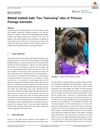
April 2018 in “Pediatric dermatology” Elaborate princess hairstyles at a theme park caused hair loss and scalp damage in young girls.
January 2026 in “Scientific Reports” Certain blood cell ratios are higher in kids with alopecia areata and might help predict the disease.
15 citations
,
January 2009 in “Indian journal of dermatology, venereology, and leprology” Scalp white piedra can be treated with oral itraconazole and topical ketoconazole.

The conclusion is that closing scalp wounds is possible, but restoring hair without donor material is still a major challenge.
 2 citations
,
December 1995 in “Pediatrics”
2 citations
,
December 1995 in “Pediatrics” Infant hair loss is usually temporary and grows back without treatment.
 3 citations
,
October 2002 in “Journal of The American Academy of Dermatology”
3 citations
,
October 2002 in “Journal of The American Academy of Dermatology” The conclusion is that the hair loss in the patients was likely due to alopecia areata, not boron exposure.
 2 citations
,
March 2023 in “Skin research and technology”
2 citations
,
March 2023 in “Skin research and technology” Temporal triangular alopecia in infants is mostly seen in males at birth, with unique features that help with diagnosis.
 28 citations
,
January 2011 in “Hearing Research”
28 citations
,
January 2011 in “Hearing Research” Gene therapy, especially using atoh1, shows promise for creating functional sensory hair cells in the inner ear, but dosing and side effects need to be managed for clinical application.
 31 citations
,
January 2016 in “Drugs - Real World Outcomes”
31 citations
,
January 2016 in “Drugs - Real World Outcomes” Some new oral anticoagulants may also cause hair loss and might not be better than traditional ones for preventing hair loss.

A man's scalp hair loss was due to a combined melanocytic nevus and alopecia areata, suggesting a possible link between the two conditions.