1 citations
,
September 2021 in “DOAJ (DOAJ: Directory of Open Access Journals)” Alopecia areata patients often have other autoimmune diseases, especially women with nail issues or atopic diseases.
 1 citations
,
July 2020 in “Journal of cosmetic dermatology”
1 citations
,
July 2020 in “Journal of cosmetic dermatology” A woman on immunosuppressants developed two rare scalp conditions, which improved with specific treatments.
 1 citations
,
December 2017 in “Hygeia - Revista Brasileira de Geografia Médica e da Saúde”
1 citations
,
December 2017 in “Hygeia - Revista Brasileira de Geografia Médica e da Saúde” The local environment significantly impacts Alopecia Areata.
 July 2018 in “Elsevier eBooks”
 Lichen Planopilaris is a hair loss condition best treated early with various medications, including hydroxychloroquine, to prevent permanent baldness.
Improving oral health may help hair regrowth in children with alopecia areata.
 November 2025 in “The Bioscan.”
 Pix Liquida may help treat alopecia areata.
 October 2025 in “Journal of Skin and Sexually Transmitted Diseases”
 Alopecia areata patients often have undetected thyroid issues, so routine thyroid screening is recommended.
 September 2022 in “Skin appendage disorders”
 Seborrheic dermatitis may contribute to the development of central centrifugal cicatricial alopecia.
 July 2021 in “Clinical case reports and studies”
 Topical diphencyprone effectively treated a 9-year-old boy's alopecia areata with fewer side effects.
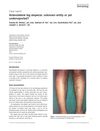 September 2018 in “International Journal of Dermatology”
 Anterolateral leg alopecia is a benign, nonprogressive hair loss condition on the lower legs that is not well understood and may resolve on its own.
 April 2018 in “The journal of investigative dermatology/Journal of investigative dermatology”
 Mitochondrial dysfunction may contribute to chronic inflammation and immune system issues in Lichen planopilaris.
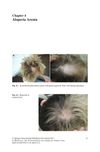 December 2016 in “Springer eBooks”
 A 45-year-old woman with autoimmune diseases experienced patchy hair loss due to alopecia areata, which has no cure but can be treated, with varying success.
 December 2013 in “The journal of investigative dermatology. Symposium proceedings/The Journal of investigative dermatology symposium proceedings”
 New research is helping develop better treatments for alopecia areata.
 January 2013 in “Dermatologic Clinics”
 Hair disorders need a holistic approach, including medical, cosmetic, and psychological support.
 April 2012 in “Informa Healthcare eBooks”
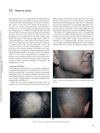
 Alopecia areata is a common autoimmune condition causing varying hair loss, diagnosed by specific patterns of inflammation around hair follicles, with several treatment options available.
 May 2026 in “Journal of Personalized Medicine”
 Alopecia areata is linked to iron deficiency anemia, suggesting iron levels should be checked and managed in these patients.
Alopecia areata is more common in males, often appears as patchy hair loss, and is strongly linked to anemia.
 April 2024 in “Indian Journal of Paediatric Dermatology”
 Congenital triangular alopecia and vitiligo can occur together, but treatment for one may not affect the other.
November 2023 in “Ibrahim Cardiac Medical Journal” Alopecia areata patients are more likely to have thyroid disorders than healthy individuals.
September 2023 in “International Journal of Trichology” More severe alopecia areata is linked to more follicular stelae, but not to treatment response.
 November 2017 in “British Journal of Dermatology”
 Genes controlling hair growth and immune response are disrupted in male pattern baldness.
November 2025 in “British Journal of Dermatology” The guideline recommends personalized treatment for alopecia areata, including new oral medications and psychological support.
22 citations
,
January 2014 in “Journal of Interferon & Cytokine Research” Certain genetic variations in IL18 may increase the risk of alopecia areata in Koreans.
18 citations
,
August 2024 in “eLife” JAK inhibition may help manage autoimmune conditions in Down syndrome.
2 citations
,
December 2024 in “eLife” JAK inhibition reduces autoimmune issues in Down syndrome.
 421 citations
,
April 2012 in “The New England Journal of Medicine”
421 citations
,
April 2012 in “The New England Journal of Medicine” Alopecia Areata is an autoimmune condition causing hair loss with no cure and treatments that often don't work well.
 391 citations
,
January 2010 in “Journal of The American Academy of Dermatology”
391 citations
,
January 2010 in “Journal of The American Academy of Dermatology” Half of people with Alopecia Areata may see hair regrowth within a year without treatment, but recovery is unpredictable.
 290 citations
,
December 2017 in “Journal of The American Academy of Dermatology”
290 citations
,
December 2017 in “Journal of The American Academy of Dermatology” Alopecia areata is an autoimmune condition causing hair loss, influenced by genetics, stress, and diet, and may be prevented by a high soy oil diet.
 191 citations
,
May 2018 in “British journal of dermatology/British journal of dermatology, Supplement”
191 citations
,
May 2018 in “British journal of dermatology/British journal of dermatology, Supplement” Alopecia areata is likely an autoimmune disease with unclear triggers, involving various immune cells and molecules, and currently has no cure.
 152 citations
,
December 2007 in “Gender Medicine”
152 citations
,
December 2007 in “Gender Medicine” Male and female skin differ due to hormones, affecting conditions like hair loss, acne, and skin cancer, and suggesting a need for gender-specific treatments.