 January 2025 in “Вопросы современной педиатрии”
 Janus kinase inhibitors effectively treat alopecia areata but may cause relapses and have long-term safety concerns.
 November 2024 in “Indian Journal of Rheumatology”
 Educating primary care doctors and improving referrals to rheumatologists can reduce delays in treating lupus patients.
SH-SY5Y cell lysate is effective for diagnosing Satoyoshi syndrome.
 October 2024 in “Reumatizam”
 New treatments and understanding of skin lupus are emerging in 2024.
September 2024 in “Clinical Case Reports” Early recognition and multidisciplinary management of Whitaker syndrome can improve patient outcomes.
 August 2024 in “Clinical and Medical Engineering Live”
 Alopecia treatment should use a modern, combined approach to effectively address hair loss.
 May 2024 in “SPIRE - Sciences Po Institutional REpository”
 Understanding and treating alopecia areata improves patient care.
A 32-year-old man with early graying hair shows a unique pattern, suggesting more research is needed on why hair grays early.
 May 2024 in “IP International Journal of Periodontology and Implantology”
 Treating gum disease and stress may help improve alopecia.
 April 2024 in “Medical & clinical research”
 More research is needed to find the best long-term treatments for Alopecia Areata.
 April 2024 in “Frontiers in physiology”
 Immune cells are crucial for hair growth and preventing hair loss.
 March 2024 in “Dermatology and therapy”
 AA patients with comorbid conditions face more severe hair loss and need specific treatments.
New drugs, baricitinib and ritlecitinib, are effective for severe alopecia areata.
 January 2024 in “International journal of homoeopathic sciences”
 Early intervention and patient education are crucial for managing alopecia areata.
 October 2023 in “Dermatologie pro praxi”
 Alopecia areata causes hair loss and has various treatment options, but responses differ.
 August 2023 in “Research Square (Research Square)”
 Melanocytes may trigger the immune response in alopecia areata, affecting hair regrowth.
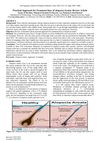 July 2023 in “The Egyptian Journal of Hospital Medicine ”
 The conclusion is that emotional support and a variety of treatments are important for alopecia areata, but more research is needed.
 June 2023 in “Benha Journal of Applied Sciences”
 Targeting IL-17 could help treat pattern hair loss.
 June 2023 in “Dermatology and therapy”
 The Middle East and Africa need better data, treatment consensus, and support for Alopecia Areata.
 May 2023 in “Sučasna pedìatrìâ. Ukraïna”
 An 11-year-old child with total hair loss may have a genetic autoimmune disease, and the outlook for hair regrowth is not good.

People with chronic hives should be tested for thyroid autoimmunity to manage their condition better.
 May 2023 in “Surgical Case Reports”
 A woman's hair loss improved after removing a tumor in her thymus gland, suggesting hair loss can be linked to such tumors even without a specific muscle weakness condition.
 January 2023 in “Discovery immunology”
 T cells and bacteria in the gut and skin help maintain health and protect against disease.
 December 2022 in “Rossijskij žurnal kožnyh i veneričeskih boleznej”
 New treatments for child hair loss due to immune issues are effective but not yet officially approved.
 December 2022 in “Cureus”
 Low iron levels are linked to hair loss in women.
 November 2022 in “Journal of Education, Health and Sport”
 The skin's bacteria might influence the development of a hair loss condition called alopecia areata.
 July 2022 in “medRxiv (Cold Spring Harbor Laboratory)”
 Satoyoshi syndrome is likely an autoimmune disease that mainly affects young women and improves with immune-related treatments.
 June 2022 in “World Journal Of Advanced Research and Reviews”
 Low-level laser therapy can significantly regrow hair in alopecia areata.

Scalp lesions in discoid lupus are more common in women and linked to other autoimmune diseases.
People with Down syndrome have a higher risk of skin disorders and need better screening and treatment.