 January 2024 in “Wiadomości Lekarskie”
 Cell therapy is advancing with stem cell transplants and genetically modified cells improving treatment for diseases like cancer and autoimmune disorders.
 7 citations
,
February 2010 in “British Journal of Dermatology”
7 citations
,
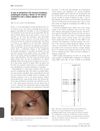
February 2010 in “British Journal of Dermatology” A woman with a rare autoimmune disorder had a blister on her eye and unique immune reaction, which was effectively treated with medication.
 April 2012 in “Lab Animal”
 Early exposure to germs may protect against autoimmune diseases, lack of sex increases alcohol preference in fruit flies, a potential baldness treatment could involve blocking a specific receptor, skin memory cells help prevent re-infection, high-fat diets can affect brain cells related to weight, and the link between social status, stress, and heart disease in primates is unclear.
 May 2025 in “The Journal of Rheumatology”
 Mixed Connective Tissue Disease can develop from overlapping symptoms of several autoimmune diseases, making diagnosis complex.

Early recognition and a multidisciplinary approach are crucial for effectively managing complex autoimmune conditions like SLE with CAPS and AHA.
 February 2024 in “Journal of dermatology research reviews & reports”
 A 50-year-old woman with breast cancer developed an autoimmune skin disorder, highlighting the need for thorough checks and team-based treatment.
 January 2007 in “Elsevier eBooks”
 Alopecia areata is a reversible, autoimmune-related hair loss that can have significant emotional impact and uncertain treatment effectiveness.
 December 2022 in “Biological and Clinical Sciences Research Journal”
 Early treatment of mixed connective tissue disease is crucial to prevent severe autoimmune conditions.
 May 2025 in “The Journal of Rheumatology”
 Lupus patients in Ghana face healthcare challenges, and the Oyemam Autoimmune Foundation is working to improve awareness and support.
 30 citations
,
January 2013 in “International Journal of Trichology”
30 citations
,
January 2013 in “International Journal of Trichology” The most common causes of hair loss in Jordanian children are fungal infections, autoimmune hair loss, and hair shedding after fever, with zinc deficiency also being a notable cause.
 11 citations
,
March 2007 in “Digestive Diseases and Sciences”
11 citations
,
March 2007 in “Digestive Diseases and Sciences” The conditions alopecia areata, primary sclerosing cholangitis, and ulcerative colitis may be linked by shared autoimmune and cell death mechanisms.
 6 citations
,
May 1993 in “Archives of Disease in Childhood”
6 citations
,
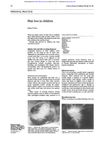
May 1993 in “Archives of Disease in Childhood” Children's hair loss can be caused by many factors, including autoimmune diseases, emotional stress, genetics, and infections, with treatment and prognosis varying.
 October 2018 in “InTech eBooks”
 The most effective treatments for hair loss are minoxidil, finasteride, PRP, and hair transplants, with steroids and immunosuppressants for autoimmune types.
4 citations
,
September 2010 in “Journal of Medical Case Reports” A man developed autoimmune issues after a transplant, improved with treatment, but died from leukemia relapse.
4 citations
,
November 1984 in “JAMA” Certain medications, like trimethoprim, can cause aseptic meningitis, especially in people with autoimmune conditions.
 4 citations
,
April 2020 in “Journal of Cosmetic Dermatology”
4 citations
,
April 2020 in “Journal of Cosmetic Dermatology” Low vitamin D levels are linked to different types of hair loss.
 1 citations
,
September 2016 in “Journal of Obstetrics and Gynaecology Research”
1 citations
,
September 2016 in “Journal of Obstetrics and Gynaecology Research” The study found no significant link between Helicobacter pylori infection and polycystic ovary syndrome in young females.
 January 2023 in “International Journal of Zoological Investigations”
 Certain genetic variations in IL-16 may increase the risk of alopecia areata.
 June 2022 in “Journal of the Liaquat University of Medical and Health Sciences”
 People with lichen planus are more likely to have abnormal blood fats than healthy people.
 57 citations
,
November 2017 in “Nature Communications”
57 citations
,
November 2017 in “Nature Communications” Researchers found 71 genetic regions linked to male pattern baldness, which account for 38% of its genetic risk.
 34 citations
,
February 2016 in “Fertility and Sterility”
34 citations
,
February 2016 in “Fertility and Sterility” More PDCD4 is linked to obesity, insulin problems, and cell death in ovaries for those with polycystic ovary syndrome.
 March 2026 in “Nature Communications”
 Genetic factors, skin barrier, immune function, and obesity influence risk of fungal skin infections.
 July 2024 in “Egyptian Journal of Medical Human Genetics”
 These gene variations are not linked to alopecia areata in Egyptians.
 January 2024 in “Wiadomości Lekarskie”
 Low-penetration genes might help personalize colorectal cancer prevention.
 December 2023 in “Research Square (Research Square)”
 These specific gene polymorphisms are not linked to Alopecia Areata in Egyptians.
 2 citations
,
January 2023 in “Dermatology Practical & Conceptual”
2 citations
,
January 2023 in “Dermatology Practical & Conceptual” AB+ blood group is more common in alopecia areata patients.
 1 citations
,
March 1997 in “Journal of the American Pharmaceutical Association”
1 citations
,
March 1997 in “Journal of the American Pharmaceutical Association” Pharmacists play a key role in helping patients use over-the-counter products correctly, including those for hair regrowth and smoking cessation.
 September 2025 in “Nano Biomedicine and Engineering”
 Nanomedicines could offer better, longer-lasting psoriasis treatments with fewer side effects.
 July 2022 in “Journal of the Dermatology Nurses' Association”
 The document encourages attending the 2023 Dermatology Nurses' Association Convention.
 9 citations
,
September 2015 in “Reproductive Biomedicine Online”
9 citations
,
September 2015 in “Reproductive Biomedicine Online” Longer GGN repeats in the androgen receptor gene are linked to polycystic ovary syndrome.