
Alopecia areata is an autoimmune disease affecting hair follicles and may harm heart health.
 290 citations
,
December 2017 in “Journal of The American Academy of Dermatology”
290 citations
,
December 2017 in “Journal of The American Academy of Dermatology” Alopecia areata is an autoimmune condition causing hair loss, influenced by genetics, stress, and diet, and may be prevented by a high soy oil diet.
 191 citations
,
May 2018 in “British journal of dermatology/British journal of dermatology, Supplement”
191 citations
,
May 2018 in “British journal of dermatology/British journal of dermatology, Supplement” Alopecia areata is likely an autoimmune disease with unclear triggers, involving various immune cells and molecules, and currently has no cure.
 23 citations
,
March 2001 in “Clinics in dermatology”
23 citations
,
March 2001 in “Clinics in dermatology” Alopecia areata involves immune response and gene changes affecting hair loss.
 16 citations
,
January 2013 in “Indian Journal of Dermatology, Venereology and Leprology”
16 citations
,
January 2013 in “Indian Journal of Dermatology, Venereology and Leprology” New treatments and early diagnosis methods for permanent hair loss due to scar tissue are important for managing its psychological effects.
 15 citations
,
January 2020 in “Experimental Dermatology”
15 citations
,
January 2020 in “Experimental Dermatology” The document concludes that understanding and treatments for alopecia areata have significantly advanced, now recognizing it as an autoimmune disorder.
 2 citations
,
February 2014 in “Hair therapy & transplantation”
2 citations
,
February 2014 in “Hair therapy & transplantation” Alopecia Areata is an autoimmune condition causing hair loss, influenced by genetics, environment, and possibly improved by anti-MIF therapy, with many patients experiencing regrowth within a year.
 November 2025 in “Frontiers in Immunology”
 Immune cells are crucial for normal skin development and their dysfunction can cause skin disorders.
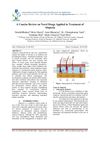
New therapies like JAK inhibitors, PRP, and stem cell treatments show promise for better alopecia management.
 41 citations
,
February 2001 in “Current pharmaceutical design”
41 citations
,
February 2001 in “Current pharmaceutical design” Current and future treatments for alopecia areata focus on immunosuppression, immunomodulation, and protecting hair follicles.
 1 citations
,
September 2017 in “Journal of Pathology of Nepal”
1 citations
,
September 2017 in “Journal of Pathology of Nepal” Testing hair roots with a special dye is a simple, non-invasive way to check disease progress in pemphigus vulgaris patients.
 13 citations
,
July 2004 in “Skinmed”
13 citations
,
July 2004 in “Skinmed” Common types of non-scarring hair loss have various causes and treatments, but more effective solutions are needed.
April 2023 in “Journal of Investigative Dermatology” CD8+ T cells attack hair follicle stem cells, causing scarring and hair loss.
56 citations
,
October 2016 in “Journal of dermatological science” New insights into the causes and treatments for the autoimmune hair loss condition Alopecia areata have been made.
36 citations
,
January 2010 in “International Journal of Trichology” Intralesional steroids can help regrow hair in some alopecia areata patients but have side effects.
3 citations
,
September 2025 in “Frontiers in Immunology” JAK inhibitors are effective for treating moderate-to-severe alopecia areata.
 1 citations
,
August 2022 in “JAAD Case Reports”
1 citations
,
August 2022 in “JAAD Case Reports” A woman's complete hair loss condition improved after recovering from COVID-19.
51 citations
,
December 2017 in “Skin Appendage Disorders” Stress may trigger hair loss by affecting immune protection in hair follicles.
1 citations
,
November 2016 in “Saengmyeong gwahag hoeji/Saengmyeong gwahak hoeji” New treatments for the autoimmune hair loss condition alopecia areata may include JAK inhibitors and other immunomodulators.
 April 2023 in “The journal of investigative dermatology/Journal of investigative dermatology”
 The study found that a key immune pathway protecting hair follicles is reduced in a mouse model of scarring hair loss.
New treatments for alopecia areata, like JAK inhibitors and immunomodulators, are promising.
September 2011 in “American Journal of Transplantation” Hair regrowth in alopecia universalis may be possible by altering immune cells.
62 citations
,
January 2015 in “Journal of Dermatological Science” New genetic discoveries may lead to better treatments for alopecia areata.
5 citations
,
October 2012 in “Veterinary Pathology” A Doberman Pinscher had a rare form of autoimmune disease causing hair loss and other severe symptoms.
 June 2026 in “Wiener klinische Wochenschrift”
 New treatments for alopecia areata show promise but need ongoing use and have infection risks.
January 2025 in “Pharmaceutical journal/The pharmaceutical journal” Alopecia areata causes patchy hair loss due to the immune system attacking hair follicles.
55 citations
,
October 2019 in “The journal of allergy and clinical immunology/Journal of allergy and clinical immunology/The journal of allergy and clinical immunology” The review suggests that other immune cells besides CD8+ T cells may contribute to alopecia areata and that targeting regulatory cell defects could improve treatment.
48 citations
,
June 2003 in “Journal of Investigative Dermatology Symposium Proceedings” Contact sensitizers like DCP and SADBE are the most effective treatments for alopecia areata.
 May 2023 in “Frontiers in Immunology”
 Treg cell-based therapies might help treat hair loss from alopecia areata, but more research is needed to confirm safety and effectiveness.
15 citations
,
January 2022 in “Immune Network/Immune network” New targeted immunotherapies are improving treatment for inflammatory skin diseases.