 February 2022 in “Journal of Armed Forces Medical College”
 The patient with autoimmune hypothyroidism improved after treatment for thyroid and associated conditions.
143 citations
,
January 2004 in “Journal of Investigative Dermatology Symposium Proceedings” Alopecia areata is an autoimmune disease causing hair loss, treatable with immune-modulating drugs, and linked to genetics.
51 citations
,
December 2017 in “Skin Appendage Disorders” Stress may trigger hair loss by affecting immune protection in hair follicles.
3 citations
,
November 2024 in “Clinical Research” Deuruxolitinib is FDA-approved for treating severe alopecia areata.
March 2026 in “Expert Opinion on Pharmacotherapy” JAK inhibitors are effective for severe alopecia areata but need better strategies for long-term use and personalized treatment.
December 2025 in “AL-QADISIYAH MEDICAL JOURNAL” Higher IL-17 and IL-23 levels may worsen alopecia areata.
 May 2025 in “The Journal of Rheumatology”
 Chronic granulomatous disease may be linked to developing systemic lupus erythematosus.
October 2024 in “International journal of medicine and psychology.” Targeted immune modulation can help achieve stable remission in alopecia areata.

Careful diagnosis and management of MCTD are crucial due to potential severe complications.
COVID-19 may trigger or worsen rapid hair loss in alopecia areata.
 January 2023 in “Tehnika”
 Biomedical engineers are crucial for developing better treatments for chronic and autoimmune diseases.
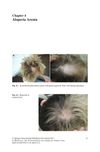 December 2016 in “Springer eBooks”
 A 45-year-old woman with autoimmune diseases experienced patchy hair loss due to alopecia areata, which has no cure but can be treated, with varying success.
July 2026 in “Quality in Sport” Alopecia areata requires early, personalized treatment for hair loss and mental health, with promising new therapies needing more research.

Customized dermatological treatments effectively address gaps in standard products, especially for complex cases.
April 2011 in “Medical Journal of Tabriz University of Medical Sciences and Health Services” Many patients with Alopecia Areata have underlying autoimmune disorders, especially thyroid issues.
 63 citations
,
May 2017 in “American Journal of Clinical Dermatology”
63 citations
,
May 2017 in “American Journal of Clinical Dermatology” People with alopecia areata often have lower levels of vitamin D, zinc, and folate, but more research is needed to understand if supplements can help treat it.
10 citations
,
April 2020 in “Journal of Mind and Medical Sciences” Excimer laser therapy can be an alternative for treating superficial morphea when topical steroids don't work.
2 citations
,
October 2014 in “Orbit” Lacrimal gland inflammation and alopecia areata can happen together due to autoimmune issues.
 1 citations
,
October 2013 in “Expert Review of Dermatology”
1 citations
,
October 2013 in “Expert Review of Dermatology” Diagnosing alopecia areata is challenging and requires careful examination and various tests to distinguish it from other hair loss types.
June 2026 in “Journal of Inflammation Research” New treatments are improving alopecia areata care, but long-term safety needs more study.
June 2026 in “DOAJ (DOAJ: Directory of Open Access Journals)” New therapies for alopecia areata show promise but need more research and collaboration.
 January 2023 in “Indian Dermatology Online Journal”
 No single ideal JAK inhibitor for alopecia areata has been determined; JAK3 inhibitors may be promising with fewer side effects.
 April 2019 in “The journal of investigative dermatology/Journal of investigative dermatology”
 HDAC inhibitors, like Vorinostat and Entinostat, can help regrow hair in alopecia areata.
April 2019 in “The journal of investigative dermatology/Journal of investigative dermatology” A compromised gut may trigger the autoimmune hair loss condition Alopecia Areata.
April 2017 in “The journal of investigative dermatology/Journal of investigative dermatology” Topical Vorinostat shows promise for treating alopecia areata by promoting hair regrowth.
 June 2006 in “Almustansiriya journal of pharmaceutical sciences/Al-Mustansiriyah journal of pharmaceutical sciences”
 Melatonin may help reduce the needed dose of prednisolone and improve hair growth in alopecia areata patients.
July 2024 in “GLOBAL JOURNAL FOR RESEARCH ANALYSIS” A 24-year-old man developed both alopecia areata universalis and type 1 diabetes at the same time, which is rare.
 105 citations
,
September 1995 in “Journal of The American Academy of Dermatology”
105 citations
,
September 1995 in “Journal of The American Academy of Dermatology” Recombinant cytokine therapy can cause skin reactions ranging from mild to severe.
54 citations
,
January 2012 in “Vitamins & Trace Elements” People with Alopecia Areata have lower vitamin D levels.
 46 citations
,
July 1988 in “Journal of The American Academy of Dermatology”
46 citations
,
July 1988 in “Journal of The American Academy of Dermatology” Hormone imbalances can cause specific skin changes, which may help in early detection of endocrine disorders.