1 citations
,
September 2025 in “Frontiers in Immunology” Folate receptor β helps suppress the immune system in macrophages and affects cancer growth and hair health.
1 citations
,
April 2024 in “Journal of Drug Delivery Science and Technology” Microneedles combined with conventional therapies show promise in treating alopecia areata.
 1 citations
,
October 2022 in “Springer eBooks”
1 citations
,
October 2022 in “Springer eBooks” Testosterone is key for male sexual function, and treating hormone imbalances can improve sexual issues.
1 citations
,
July 2021 in “International Journal of Cosmetics and Dermatology” Vitiligo often runs in families and is linked to genetics and autoimmune factors.
1 citations
,
December 2013 in “The journal of investigative dermatology. Symposium proceedings/The Journal of investigative dermatology symposium proceedings” New treatments and strategies are needed for Alopecia Areata, focusing on immune response and better trial designs.
 June 2026 in “JAAD reviews.”
 Low-dose oral minoxidil may help with various hair loss types, but more research is needed.
 June 2026 in “The Russian Archives of Internal Medicine”
 Thallium poisoning can be treated successfully with the right antidote.
Telogen hair loss affects emotional well-being and quality of life, with no standard treatment available.
March 2026 in “Immunological Medicine” Janus kinase inhibitors help some people with severe alopecia areata regrow hair, but not everyone responds, and relapses can happen.
January 2026 in “Medicina” JAK inhibitors show promise for treating various skin disorders effectively and safely.
 November 2025 in “Frontiers in Immunology”
 SQSTM1 gene issues may increase the risk of alopecia areata.
September 2025 in “BioMed” Improved oral hygiene and dietary changes can help manage black hairy tongue syndrome.
 September 2025 in “Dicle Medical Journal / Dicle Tip Dergisi”
 Skin issues are common in people with neurodegenerative diseases.
 August 2025 in “Journal of the Pakistan Medical Association”
 Skin issues might be linked to infertility.

Alopecia Areata causes hair loss and needs treatments that address both physical and emotional health.
 February 2024 in “The Open dermatology journal”
 Alopecia Areata affects people of all ages worldwide, is likely caused by genetic and environmental factors, and can lead to stress and depression, highlighting the need for treatments that address both physical and mental health.
 February 2023 in “Vaccines”
 COVID-19 may harm male reproductive health and lower testosterone levels, potentially affecting fertility and causing erectile dysfunction. More research is needed.
 January 2023 in “Indian Dermatology Online Journal”
 No single ideal JAK inhibitor for alopecia areata has been determined; JAK3 inhibitors may be promising with fewer side effects.
 May 1991 in “Current problems in dermatology”
 Skin issues can indicate immune system problems.
July 2022 in “Dermatologica Sinica” Many women with hair loss also have zinc deficiency, iron depletion, or thyroid issues.
 56 citations
,
August 2019 in “Clinical, Cosmetic and Investigational Dermatology”
56 citations
,
August 2019 in “Clinical, Cosmetic and Investigational Dermatology” The document concludes that Telogen Effluvium is a hair loss disorder that can be assessed with the modified wash test and may be treated with clobetasol foam, with patient management being important.
45 citations
,
May 2024 in “International Journal of Molecular Sciences” Alopecia areata is caused by immune attacks on hair follicles, affecting hair growth and quality of life.
40 citations
,
October 2012 in “Dermatologic clinics” More research is needed to understand the genetic causes of Alopecia areata to develop better treatments.
17 citations
,
October 2020 in “Journal of Clinical Medicine” Korean patients with rosacea are more likely to have other health conditions.
15 citations
,
March 2018 in “Cancer Medicine” Alopecia areata patients have varied cancer risks, with some cancers being lower and others higher.
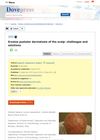 13 citations
,
September 2019 in “Clinical, Cosmetic and Investigational Dermatology”
13 citations
,
September 2019 in “Clinical, Cosmetic and Investigational Dermatology” Early treatment of EPDS can improve outcomes and reduce recurrence risk.
6 citations
,
September 2022 in “Vaccines” Some people developed alopecia areata after COVID-19 vaccination, but it's not caused by the vaccine and most improved with treatment.
6 citations
,
December 2021 in “Journal of Clinical Medicine” LiPADI is a useful tool for monitoring the severity and treatment of lichen planus.
 4 citations
,
October 2022 in “Genes”
4 citations
,
October 2022 in “Genes” Our microbiome may affect the development of the hair loss condition Alopecia Areata, but more research is needed to understand this relationship.
3 citations
,
April 2022 in “Biomolecules” Higher miR-34a levels and the A variant of the MIR-34A gene are linked to increased risk and severity of alopecia areata.