 7 citations
,
January 2020 in “Nature”
7 citations
,
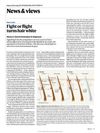
January 2020 in “Nature” Stress turns hair white by depleting color-giving cells in hair follicles through a specific neurotransmitter related to the body's stress response.
7 citations
,
October 2008 in “Arthritis Care & Research” Aggressive immunosuppressive treatment improved a woman's severe heart condition linked to autoimmune disease.
 1 citations
,
October 2012 in “Medical Hypotheses”
1 citations
,
October 2012 in “Medical Hypotheses” The conclusion suggests that treatments targeting root causes of chronic diseases may be developed by focusing on gene expression and lifestyle factors.
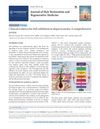
JAK inhibitors effectively regrow hair in alopecia areata but hair loss often returns after stopping treatment.
 January 2025 in “RSC Pharmaceutics”
 Smart microneedles using advanced tech could improve psoriasis treatment.
 July 2024 in “Medical alphabet”
 Combining treatments is key to managing vitiligo effectively.
 January 2016 in “Springer eBooks”
 Understanding drug interactions, side effects, and patient-specific factors is crucial for effective dermatological care.
 October 2022 in “The Egyptian Journal of Hospital Medicine”
 Topical corticosteroids are the preferred first treatment for children with Alopecia Areata.
 April 2019 in “The journal of investigative dermatology/Journal of investigative dermatology”
 Machine learning can predict how well patients with alopecia areata will respond to certain treatments.
 27 citations
,
September 2014 in “JAMA dermatology”
27 citations
,
September 2014 in “JAMA dermatology” Female donor to male recipient sex mismatch and positive ACA-IgG are key risk factors for vitiligo and alopecia areata in chronic GvHD patients.