 14 citations
,
February 2021 in “Journal of the European Academy of Dermatology and Venereology”
14 citations
,
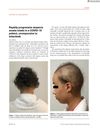
February 2021 in “Journal of the European Academy of Dermatology and Venereology” A COVID-19 patient with severe hair loss did not improve with hair loss medication after stopping and restarting it due to the infection.
 119 citations
,
January 2012 in “Nutrition & Metabolism”
119 citations
,
January 2012 in “Nutrition & Metabolism” Modern lifestyles, including poor diet, stress, and long-term use of certain medications, hinder the body's ability to heal from inflammation, leading to chronic diseases.
 74 citations
,
August 2006 in “Journal of clinical gastroenterology”
74 citations
,
August 2006 in “Journal of clinical gastroenterology” Shen-Min, a hair growth supplement, likely caused acute hepatitis in a woman, improving after she stopped taking it.
 50 citations
,
March 2021 in “Journal of investigational allergology & clinical immunology”
50 citations
,
March 2021 in “Journal of investigational allergology & clinical immunology” Dupilumab is being tested for many new skin, respiratory, and gastrointestinal conditions.
 49 citations
,
December 2018 in “JAAD case reports”
49 citations
,
December 2018 in “JAAD case reports” Dupilumab may cause significant hair loss, which can reverse after stopping the drug.
 17 citations
,
September 2003 in “Journal of Investigative Dermatology Symposium Proceedings”
17 citations
,
September 2003 in “Journal of Investigative Dermatology Symposium Proceedings” Old treatments for other skin conditions showed promise for hair regrowth in mice with a hair loss condition.
 10 citations
,
August 2016 in “Anais brasileiros de dermatologia/Anais Brasileiros de Dermatologia”
10 citations
,
August 2016 in “Anais brasileiros de dermatologia/Anais Brasileiros de Dermatologia” Vitiligo patients often have nail problems, so checking their nails is important.
 8 citations
,
May 2022 in “Journal of medicine and life”
8 citations
,
May 2022 in “Journal of medicine and life” COVID-19 patients may experience hair loss, but it's not linked to their age or sex.
 7 citations
,
July 2013 in “International Journal of Dermatology”
7 citations
,
July 2013 in “International Journal of Dermatology” No link found between Coxsackie viruses and pemphigus.
 4 citations
,
January 2012 in “Elsevier eBooks”
4 citations
,
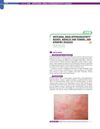
January 2012 in “Elsevier eBooks” The document concludes that various skin conditions have specific treatments, ranging from antihistamines for urticaria to surgery and medication for tumors and chronic skin diseases.
 January 2021 in “Turkiye Klinikleri Journal of Dermatology”
 The MPV/PC ratio can help assess disease activity in alopecia areata.
 May 2018 in “White Rose eTheses Online (University of Leeds, The University of Sheffield, University of York)”
 Alopecia areata may be treated by using EGCG to balance immune cells and reduce inflammation.
 July 2003 in “Journal of Cutaneous Medicine and Surgery”
 Certain drugs can cause lupus, stopping these drugs is the main treatment. NB-UVB phototherapy clears psoriasis faster when applied three times a week. Monoclonal antibodies and oral pimecrolimus are effective in treating psoriasis. Smoking and drinking are linked to psoriasis in men. No direct link between low iron and hair loss was found. Vaccines are effective against genital herpes and human papillomavirus type 16.
 July 2003 in “Journal of Cutaneous Medicine and Surgery”
 Blood pressure drugs can cause skin lupus, early treatment is key for baby herpes and diabetic foot ulcers, a certain vaccine works against genital herpes and HPV in women, more frequent light therapy helps psoriasis, smoking and drinking can worsen psoriasis, a cream clears up a type of skin cancer, and low iron levels don't cause chronic hair loss.
 July 2003 in “Journal of Cutaneous Medicine and Surgery”
 Various skin conditions can be treated effectively with different methods, such as discontinuing certain drugs, using specific vaccines, applying creams, and changing lifestyle habits like smoking and drinking.
 July 2003 in “Journal of Cutaneous Medicine and Surgery”
 Stopping certain drugs can improve skin conditions, arsenicosis affects over half of a Bangladeshi village, males are more vulnerable, and certain treatments are effective for warts, acne, and psoriasis. Smoking and drinking are linked to psoriasis in men, a cream helps with a type of skin cancer, and low iron levels don't directly cause chronic hair loss in women.
 July 2003 in “Journal of Cutaneous Medicine and Surgery”
 High blood pressure drugs often cause skin lupus, stopping the drug usually helps. A vaccine helps prevent genital herpes and HPV-16. More frequent light therapy clears psoriasis faster. No link was found between low iron and chronic hair loss.
 July 2003 in “Journal of Cutaneous Medicine and Surgery”
 Treating psoriasis with UVB light three times a week is faster than twice a week, and certain medications and lifestyle factors affect psoriasis treatment outcomes.
 July 2003 in “Journal of Cutaneous Medicine and Surgery”
 Skin problems are common in Bangladesh due to arsenic, prompt treatment of diabetic foot ulcers is crucial, maternal transmission causes most neonatal herpes, treatments for pediatric vasculitis are effective, the chickenpox vaccine works, more frequent UVB therapy helps psoriasis, certain jobs increase hand dermatitis risk, monoclonal antibodies treat psoriasis well, lifestyle affects psoriasis, alefacept improves psoriasis, imiquimod cream partially clears basal cell carcinoma, and iron may not help chronic hair loss.
 July 2003 in “Journal of Cutaneous Medicine and Surgery”
 Some medications can improve skin conditions, while lifestyle factors like smoking and drinking may worsen them; treatments like monoclonal antibodies and imiquimod cream show promise for certain skin diseases.
 1 citations
,
July 2023 in “Al-Azhar Medical Journal”
1 citations
,
July 2023 in “Al-Azhar Medical Journal” Higher antigliadin antibodies are linked to more severe alopecia areata, suggesting screening for celiac disease in these patients.
 April 2025 in “International Journal of Homoeopathic Sciences”
 Homeopathy helped regrow hair and improve emotional health in alopecia areata.
 January 2025 in “Annals of Thoracic and Cardiovascular Surgery”
 Removing the thymoma improved the patient's alopecia areata, suggesting a possible link between the two.
 January 2022 in “Al-Azhar Medical Journal”
 Higher antigliadin antibody levels are linked to alopecia areata severity.
 April 2019 in “Journal of Investigative Dermatology”
 Differences in growth factors in platelet-rich plasma therapy for hair loss can vary between patients and can be influenced by the devices used, possibly leading to inconsistent results.
 20 citations
,
December 2019 in “The journal of allergy and clinical immunology/Journal of allergy and clinical immunology/The journal of allergy and clinical immunology”
20 citations
,
December 2019 in “The journal of allergy and clinical immunology/Journal of allergy and clinical immunology/The journal of allergy and clinical immunology” Blocking IL-12/IL-23 does not help with hair loss in alopecia areata for mice or humans.
 1 citations
,
October 2014 in “Skin Pharmacology and Physiology”
1 citations
,
October 2014 in “Skin Pharmacology and Physiology” People with alopecia areata have higher levels of osteopontin, which might be important in the disease's development, but this doesn't relate to how severe the disease is.
 March 2026 in “Dermatology and Therapy”
 Distinct miRNA signatures could help diagnose and treat severe Alopecia Areata.
 September 2024 in “Journal of the Pakistan Medical Association”
 A 589 nm laser increases IL-2 and IFN-y gene expression in human T-cells.
 August 2024 in “OSMANGAZİ JOURNAL OF MEDICINE”
 The visfatin GT genotype may increase the risk of Alopecia Areata.