 10 citations
,
December 2015 in “Clinics in Dermatology”
10 citations
,
December 2015 in “Clinics in Dermatology” Diabetes can lead to blindness and skin problems, and managing blood sugar and blood pressure is crucial to prevent these complications.
 January 2025 in “International Journal of Dermatology Sciences”
 Nail changes in alopecia areata are common and may indicate severity and genetic risk.
 23 citations
,
July 2021 in “Advances in Therapy”
23 citations
,
July 2021 in “Advances in Therapy” Most people with Alopecia Areata don't get treatment within a year; it's costly and often comes with other health issues.
 3 citations
,
January 2013
3 citations
,
January 2013 Hypothyroidism in dogs is usually caused by immune system issues or gland atrophy, affects middle-aged purebreds most, and is treatable with medication.
2 citations
,
January 2014 in “Indian Journal of Critical Care Medicine” Shock can be an early sign of Autoimmune Polyendocrine Syndrome Type II.
 2 citations
,
March 2001 in “Environmental Health Perspectives”
2 citations
,
March 2001 in “Environmental Health Perspectives” Small hormonal imbalances can cause significant health problems, so more sensitive testing for hormone-disrupting chemicals is needed.
 1 citations
,
June 2023 in “Journal of Dermatology”
1 citations
,
June 2023 in “Journal of Dermatology” People with Alopecia Areata are more likely to have autoimmune diseases, inflammatory diseases, and mental health issues like anxiety and depression.
 April 2026 in “Boletín Médico Del Hospital Infantil de México (English Edition)”
 Most kids with alopecia areata have other health issues, often allergies or skin conditions.
New drugs, baricitinib and ritlecitinib, are effective for severe alopecia areata.
 January 2017 in “IMC Journal of Medical Science”
 A rare endocrine disorder, APS 1, was diagnosed in a 26-year-old man in Bangladesh.
 January 2017 in “Archives of clinical and biomedical research”
 Enhancing melanin's energy generation may help treat alopecia areata.
 51 citations
,
January 2014 in “Pediatric Clinics of North America”
51 citations
,
January 2014 in “Pediatric Clinics of North America” The guide explains how to identify and treat children's hair loss, including fungal infections, autoimmune disorders, hairstyle changes, self-correcting conditions, and behavioral therapy for hair-pulling.
 38 citations
,
October 2006 in “Fertility and Sterility”
38 citations
,
October 2006 in “Fertility and Sterility” The document concludes that identifying the cause of amenorrhea is crucial for proper treatment.
 23 citations
,
April 1993 in “Gastroenterology”
23 citations
,
April 1993 in “Gastroenterology” A mother and son both had ulcerative colitis and alopecia, suggesting a genetic link in autoimmune disorders and successful treatment with cyclosporine.
 19 citations
,
April 2018 in “International Journal of Dermatology”
19 citations
,
April 2018 in “International Journal of Dermatology” People with Lichen Planopilaris are more likely to have autoimmune diseases, especially Systemic Lupus Erythematosus, and less likely to have diabetes and some other common conditions.
 January 2024 in “International Journal of Homoeopathic Sciences”
 Homeopathic treatment might help manage alopecia areata.
 September 2018 in “International Journal of Dermatology”
 Anterolateral leg alopecia is a benign, nonprogressive hair loss condition on the lower legs that is not well understood and may resolve on its own.
 January 2010 in “Elsevier eBooks”
 Hair transplantation is a treatment for hair loss mainly caused by genetics, with various techniques and potential complications, and results visible after 8-12 months.
 July 2021 in “Clinical case reports and studies”
 Topical diphencyprone effectively treated a 9-year-old boy's alopecia areata with fewer side effects.
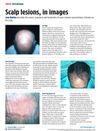 January 2015 in “Independent Nurse”
 Different scalp conditions can lead to hair loss or tumors, with treatments varying from creams to surgery; early detection is crucial.
 16 citations
,
January 2006 in “The Aging Male”
16 citations
,
January 2006 in “The Aging Male” Hormone imbalances can cause skin diseases, and understanding these links is important for diagnosis and treatment.
 1 citations
,
October 2021 in “International Journal of Research in Dermatology”
1 citations
,
October 2021 in “International Journal of Research in Dermatology” Alopecia areata mainly affects men aged 21-40 and is linked to autoimmune issues, thyroid problems, and inflammation.
 January 2020 in “Medpulse International Journal of General Medicine/Medpulse International Journal of Medicine”
 Premature graying of hair is often linked with other health issues, but treatment with biotin, zinc, and calcium pantothenate is not very effective.
 January 2016 in “Springer eBooks”
 Alopecia Areata is an unpredictable autoimmune hair loss condition with limited and variable treatment effectiveness.
 89 citations
,
October 1996 in “Dermatologic Clinics”
89 citations
,
October 1996 in “Dermatologic Clinics” Alopecia areata is likely caused by a combination of genetic factors and immune system dysfunction, and may represent different diseases with various causes.
 36 citations
,
January 2012 in “International Journal of Trichology”
36 citations
,
January 2012 in “International Journal of Trichology” Losing eyelashes or eyebrows can be a sign of many different health problems and needs a careful approach to treat effectively.
 3 citations
,
December 2018 in “Journal of Pakistan Association of Dermatology”
3 citations
,
December 2018 in “Journal of Pakistan Association of Dermatology” Alopecia areata mainly affects young people, often showing as patchy hair loss on the scalp.
 December 2023 in “EPRA international journal of multidisciplinary research”
 Alopecia areata causes sudden hair loss, has genetic links, and can be managed but not cured.
 12 citations
,
May 2017 in “Pharmacology & therapeutics”
12 citations
,
May 2017 in “Pharmacology & therapeutics” Targeting immune tolerance issues in Alopecia Areata could restore hair growth and maintain remission.
155 citations
,
December 2002 in “Journal of Investigative Dermatology” Thyroid-related genes are active in skin cells and may affect autoimmune conditions.