 March 2024 in “Journal of Natural Remedies”
 An 18-year-old with hair loss saw hair regrowth after treatments combining microneedling, cupping, medication, and oil application.
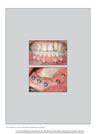 June 2017 in “International Journal of Periodontics & Restorative Dentistry”
 Using skin grafts from behind the ear for oral surgery in two patients with jaw injuries led to successful healing and good results.
 12 citations
,
December 2017 in “Journal of Investigative Dermatology Symposium Proceedings”
12 citations
,
December 2017 in “Journal of Investigative Dermatology Symposium Proceedings” Platelet-rich plasma and microneedling could potentially help hair growth in people with alopecia areata, but more research is needed.
 10 citations
,
August 2015 in “Journal of Cosmetic Dermatology”
10 citations
,
August 2015 in “Journal of Cosmetic Dermatology” Successful eyebrow restoration can be done using careful hair transplant techniques and choosing the right patients.
 3 citations
,
November 2018 in “Hair transplant forum international”
3 citations
,
November 2018 in “Hair transplant forum international” Using body hair with scalp hair for hair transplants improves density and coverage in severe hair loss cases.
 5 citations
,
September 2012 in “Dermatology Online Journal”
5 citations
,
September 2012 in “Dermatology Online Journal” Follicular Unit Extraction (FUE) hair transplant is less invasive, leaves no scars, and has quicker recovery times, but it's more time-consuming and challenging. Automation helps speed up the process and improve graft survival, reducing the need for traditional strip surgery.
 21 citations
,
February 2015 in “Journal of Feline Medicine and Surgery”
21 citations
,
February 2015 in “Journal of Feline Medicine and Surgery” Negative pressure wound therapy is effective for skin grafts in cats.
February 2021 in “International journal of regenerative medicine” A new method using fat tissue cells may help treat hair loss.
July 2026 in “The Journal of Immunology” The study developed a lymph node cell transfer-induced alopecia areata (AA) mouse model to evaluate therapeutic treatments for AA, an autoimmune disease causing hair loss. Using C3H mice, researchers transferred activated lymph node cells from AA-affected mice to healthy ones, resulting in significant hair loss in the recipients. The model showed elevated levels of CD3+ T cells, CD8+ T cells, and NKG2D+ cells, confirming its autoimmune nature. Treatments with oral Ritlecitinib and topical Tacrolimus were tested, with Tacrolimus leading to nearly complete hair regrowth and reduced immune cell infiltration. This model effectively mimics AA's pathogenesis and aids in testing potential therapies.
 44 citations
,
July 2005 in “Aesthetic Plastic Surgery”
44 citations
,
July 2005 in “Aesthetic Plastic Surgery” Hair transplantation successfully treated a woman's hair loss caused by a tight ponytail.