Search
for
Sort by
Research
510-540 / 1000+ resultsresearch New Aspects of Langerhans' Cell Function
Langerhans cells are crucial for skin immunity and allergic reactions.
research Canine and Feline Cutaneous Lymphocytosis: Reactive Process or Indolent Neoplastic Disease?
Cats likely have a reactive skin condition, while dogs may have a more complex, possibly cancerous one.
research Functional interrogation of lymphocyte subsets in alopecia areata using single-cell RNA sequencing
CD8+ T cells drive alopecia areata, while regulatory T cells are protective.

research First‐degree relatives of patients with systemic lupus erythematosus: Autoreactivity but not autoimmunity?
Relatives of lupus patients show signs of immune system activity but not full-blown lupus.
research Signs of some hematological diseases with the help of monoclonal antibodies LT-1, LT-2, LT-7
Monoclonal antibodies LT-1, LT-2, and LT-7 help diagnose certain blood cancers.
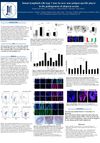
research Innate lymphoid cells type 1 may be new, non-antigen-specific player in the pathogenesis of alopecia areata
Innate lymphoid cells type 1 may contribute to alopecia areata by damaging hair follicles.
research Feline and Canine Cutaneous Lymphocytosis: Reactive Process or Indolent Neoplastic Disease?
Feline cutaneous lymphocytosis is likely reactive, while canine cutaneous lymphocytosis needs more study to understand its nature.
research Editors’ Picks
A specific type of immune cell plays a key role in causing alopecia areata and could be a target for treatment.

research CUTANEOUS T-CELL LYMPHOMA
The document concludes that DAB389-IL2 is promising for treating refractory cutaneous T-cell lymphoma, but more research is needed on its effectiveness and side effect management.
research 042 Characterization of Pathogenic CD8+ T Cells in an adoptive transfer Mouse Model of Alopecia Areata in C3H/HeJ mice
Certain CD8+ T cells attack hair follicles in alopecia areata, suggesting they could be targeted for treatment.
research Chronic urticaria versus dermatomyositis in a case of T- cell large granular lymphocytic leukemia
The muscle damage was caused by T-cell large granular lymphocytic leukemia, not dermatomyositis.
research 031 Inducible skin-associated lymphoid tissue (iSALT) is detected in the scalp treated with topical immunotherapy for alopecia areata
Topical immunotherapy for alopecia areata may work by creating immune cell clusters in the skin.
research A kindred with mutant IKAROS and autoimmunity
A mutation in the IKZF1 gene causes immune system overactivity, linked to autoimmune diseases like lupus.

research Dermatologic Changes Associated With Interleukin 2 Administration
IL-2 treatment causes skin eruptions and other reversible side effects, and may play a role in psoriasis.
research 054 Deep Analysis of CD4+ Trm Cells in Normal and Atopic Dermatitis Human Skin
Certain immune cells in atopic dermatitis skin could be targeted for treatment.
research 057 Single cell RNA and TCR sequencing reveals hyperexpansion of T cell clones and novel regulatory mechanisms of CD8+ T cells in murine alopcecia areata skin and draining lymph nodes
CD8+ T cells expand significantly in alopecia areata, suggesting new treatment targets.
research High throughput T cell receptor sequencing identifies clonally expanded CD8+ T cell populations in Alopecia Areata
Expanded CD8+ T cells are linked to Alopecia Areata and may cause relapse after treatment.
research Decision letter: Involvement of ILC1-like innate lymphocytes in human autoimmunity, lessons from alopecia areata
ILC1-like cells may contribute to hair loss in alopecia areata and could be new treatment targets.

research 036 Expanded T cells under lymphopenic condition exhibit memory phenotype and infiltrate around hair follicle
T cells with memory features grow in number and gather around hair follicles when there are not enough immune cells.
research 165 Single-cell RNA sequencing analysis unveils highly active yet diminished CD14+CD16- circulating monocytes, independent of alopecia areata severity
Highly active but fewer CD14+CD16- monocytes are found in Alopecia Areata patients, regardless of severity.

research 035 Expansion of bacterial phosphatidylglycerol reactive CD4+ T cells in atopic dermatitis
People with atopic dermatitis have more CD4+ T cells that respond to a certain bacterial lipid, which may play a role in the skin condition's inflammation.

research 413 DC-HIL+ myeloid-derived suppressor cells are elevated in the peripheral blood and lesional skin of cutaneous lupus patients
Cutaneous lupus patients have higher levels of certain immune cells in their blood and skin.
research Skin-infiltrating CD4+ lymphoma cells depend on hair follicle-derived IL-7
Hair follicles produce IL-7, which is essential for certain skin lymphoma cells to survive.

research Maintenance of Barrier Tissue Integrity by Unconventional Lymphocytes
Unconventional lymphocytes are important for quick immune responses and healing of skin and mucosal barriers.
research Pro-inflammatory Vδ1+T-cells infiltrates are present in and around the hair bulbs of non-lesional and lesional alopecia areata hair follicles
Targeting Vδ1+T-cells may help treat alopecia areata.
research Catalytic Antibodies in Norm and Systemic Lupus Erythematosus
Catalytic antibodies are early indicators and active participants in the development of systemic lupus erythematosus.
research Immunomodulators in the treatment of cutaneous lymphoma
Immunomodulatory therapies are effective for treating cutaneous lymphoma, particularly in early stages.
research High-throughput T cell receptor sequencing identifies clonally expanded CD8+ T cell populations in alopecia areata
CD8+ T cells are involved in alopecia areata and may cause disease relapse.
research Detection of subtypes of T helper cells and their cytokines in peripheral blood of patients with systematic lupus erythematosus and their clinical significances
Higher levels of certain immune cells and proteins are linked to more severe lupus symptoms.