 3 citations
,
January 2023 in “Science advances”
3 citations
,
January 2023 in “Science advances” The enzymes Tet2 and Tet3 are important for skin cell development and hair growth.
January 2025 in “Kuwait Journal of Science” KRT71 gene variants may influence camel hair shape but don't fully explain it.
68 citations
,
August 2014 in “PeerJ” Human hair proteins vary by individual, body site, and ethnicity, useful for forensics.
53 citations
,
July 2016 in “Cosmetics” Future hair cosmetics will be safer and more effective.
44 citations
,
June 2017 in “The EMBO Journal” LPA3 signaling in the uterus is crucial for placental formation and fetal development.
 11 citations
,
January 2020 in “Dermatologica Sinica”
11 citations
,
January 2020 in “Dermatologica Sinica” Tofacitinib helps regrow hair in severe alopecia patients, but more research is needed.
2 citations
,
August 2006 in “Journal of Dermatological Science” Automated image analysis helps diagnose and monitor alopecia areata by efficiently measuring hair follicles.
 March 2024 in “BMC cancer”
 High levels of ST14 and TMEFF1 proteins in ovarian cancer are linked to worse patient outcomes and may be a new treatment target.
8 citations
,
April 2016 in “Experimental dermatology” B6.Cg-Tyr c−2J Hr hr /J mice have a stronger delayed sunburn reaction and are good for UV research.
2 citations
,
January 2022 1 citations
,
January 2020 January 2024 in “International journal of molecular sciences” Hoxc13 gene affects wool length in Gansu alpine fine-wool sheep.
 March 2023 in “International journal of trichology”
 Six genetic conditions are often linked to complete scalp hair loss in children.
February 2022 in “Actas dermo-sifiliográficas/Actas dermo-sifiliográficas” Hair shaft disorders, often due to genetics or environment, lack specific treatments but can be managed with gentle hair care and may improve with age or topical treatments.
 January 2025 in “BMC Genomics”
 Long non-coding RNAs help regulate wool fineness in Gansu alpine fine-wool sheep.
27 citations
,
June 2020 in “Genes” Lykoi cats' unique sparse hair is linked to specific genetic variants in the Hairless gene.
4 citations
,
October 2023 in “Children” Early diagnosis and comprehensive care are crucial for managing Focal Dermal Hypoplasia's complex symptoms.
34 citations
,
March 2009 in “Journal of Investigative Dermatology” Proteomic analysis can identify genetic differences in mouse hair, helping understand hair defects and variations.
2 citations
,
September 2004 in “Experimental Dermatology” Desmosomal adhesion is essential for healthy skin structure and function.
81 citations
,
September 2009 in “Birth defects research” Different body areas in mice produce different hair types due to interactions between skin layers.
39 citations
,
March 2009 in “Dermatology Online Journal” Understanding EGFR roles could lead to new hair loss treatments.
36 citations
,
September 2015 in “Orphanet Journal of Rare Diseases” Revertant cell therapy could be a future treatment for Ichthyosis with confetti.
 January 2025 in “Journal of Clinical Medicine”
 PCOS is the most common cause of hirsutism, and personalized treatment is important.
 February 2024 in “International Journal of Molecular Sciences”
 Hair loss in Androgenetic Alopecia is caused by genetics, aging, and lifestyle, leading to hair follicle shrinkage and related health risks.
 September 2022 in “Dermato”
 Adult acne is often related to hormonal disorders, especially in women, and may need long-term treatment involving specialists.
March 2009 in “Dermatology Online Journal” Manipulating EGFR signaling may help treat hair loss and promote hair growth.
66 citations
,
December 1999 in “Journal of Investigative Dermatology” New mutations in the hairless gene may cause hair loss and affect bone development.
29 citations
,
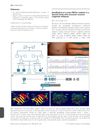
July 2015 in “Journal of Medical Genetics” A genetic variant in the KRT25 gene causes tightly curled hair.
 23 citations
,
December 2013 in “British Journal of Dermatology”
23 citations
,
December 2013 in “British Journal of Dermatology” A new gene mutation linked to a skin condition was found in a Spanish family.
 9 citations
,
May 2016 in “Veterinary dermatology”
9 citations
,
May 2016 in “Veterinary dermatology” Long-term oral and topical treatments improved skin condition in a goldendoodle with a genetic disorder.