 85 citations
,
June 2006 in “Best Practice & Research Clinical Endocrinology & Metabolism”
85 citations
,
June 2006 in “Best Practice & Research Clinical Endocrinology & Metabolism” The document concludes that hirsutism is the main sign for diagnosing hyperandrogenism, which requires a detailed patient history and physical exam.
 4 citations
,
October 2007 in “Dermatologic Clinics”
4 citations
,
October 2007 in “Dermatologic Clinics” Glucocorticoids and sex hormones affect skin health, with potential for targeted treatments to minimize side effects and treat skin conditions.
Hibiscus rosa-sinensis can naturally help heal skin inflammation.
97 citations
,
March 2006 in “Journal of Investigative Dermatology” Mutations in the DSG4 gene cause a severe form of brittle hair and skin issues.
June 2025 in “Pediatric Annals” Adolescents face skin and hair issues due to hormonal changes, needing informed care beyond social media advice.
 4 citations
,
January 2020 in “Skin appendage disorders”
4 citations
,
January 2020 in “Skin appendage disorders” A woman with an unusual pattern of hair loss was confirmed to have Frontal Fibrosing Alopecia and treated with specific medications.
54 citations
,
December 2011 in “American Journal Of Pathology” A Gsdma3 mutation causes hair loss due to stem cell damage from skin inflammation.
21 citations
,
April 2025 in “MedComm” Alopecia areata causes unpredictable hair loss, and more research is needed to fully understand and treat it effectively.
 10 citations
,
September 2021 in “JAMA Dermatology”
10 citations
,
September 2021 in “JAMA Dermatology” Different types of persistent hair loss after chemotherapy respond differently to treatments.
2 citations
,
June 2024 in “JAAD reviews.” Some drugs can cause permanent hair loss, though it's rare.
33 citations
,
October 2005 in “Journal of Investigative Dermatology” A specific gene mutation causes sparse, brittle hair in a family.
June 2024 in “Dermatopathology” A rare type of skin cancer on the scalp can be mistaken for hair loss, causing delayed diagnosis and severe damage.
26 citations
,
January 2018 in “Skin appendage disorders” Thallium, mercury, selenium, and colchicine strongly cause hair loss.
 December 2024 in “Archiv Euromedica”
 Trichoscopy is essential for diagnosing and treating autoimmune cicatricial alopecia early.
1 citations
,
January 2024 in “Journal of personalized medicine” Hormonal imbalances during menopause may significantly contribute to Frontal Fibrosing Alopecia.
69 citations
,
May 2002 in “Journal of Investigative Dermatology” Congenital atrichia with papular lesions is often misdiagnosed, and new diagnostic criteria can improve accuracy.
51 citations
,
October 2024 in “Pharmaceutics” Improving drug delivery through the skin requires understanding skin and using enhancers.
4 citations
,
April 2008 in “Experimental Dermatology” Nicotine from smoking may worsen hidradenitis suppurativa by affecting immune function and promoting inflammation.
32 citations
,
June 2024 in “Pharmaceutics” Nanoformulations improve drug delivery through the skin, reducing side effects and enhancing effectiveness.
 August 2016 in “Journal of Investigative Dermatology”
  August 2016 in “Journal of Investigative Dermatology”
  August 2016 in “Journal of Investigative Dermatology”
 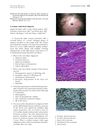 2 citations
,
August 2010 in “Journal of the American Academy of Dermatology”
2 citations
,
August 2010 in “Journal of the American Academy of Dermatology” A 65-year-old woman has a growing bald spot on her scalp.
 1 citations
,
November 1983 in “The Lancet”
1 citations
,
November 1983 in “The Lancet” Acute leukemias with the Philadelphia chromosome may be biphenotypic, and identifying this is important for proper treatment.
 40 citations
,
January 2013 in “International journal of trichology”
40 citations
,
January 2013 in “International journal of trichology” Perifollicular erythema can indicate active frontal fibrosing alopecia.
 36 citations
,
January 2014 in “Elsevier eBooks”
36 citations
,
January 2014 in “Elsevier eBooks” The skin is a complex barrier that protects the body, regulates temperature, and helps with immune responses.
 10 citations
,
July 2013 in “British Journal of Dermatology”
10 citations
,
July 2013 in “British Journal of Dermatology” High MUC-18/MCAM levels in blood indicate a worse outlook for melanoma patients.
 3 citations
,
January 2020 in “Acta Dermato Venereologica”
3 citations
,
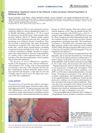
January 2020 in “Acta Dermato Venereologica” Netherton Syndrome can cause severe skin lesions in rare cases.
 1 citations
,
May 2023 in “Journal of molecular evolution”
1 citations
,
May 2023 in “Journal of molecular evolution” Pangolins have lost some skin-related genes, but kept others, leading to their unique scales and skin features.
 January 2011 in “Elsevier eBooks”
 Alopecia in animals can be hereditary, congenital, or acquired, with treatments and outcomes varying widely.