2 citations
,
July 2016 in “Journal of nature and science” Human hair can transmit magnetic signals through glass.
 8 citations
,
January 2007 in “International journal of experimental pathology”
8 citations
,
January 2007 in “International journal of experimental pathology” Hairless HRS/J mice resist Bacillus anthracis skin infections due to high numbers of immune cells, not because they lack hair follicles.
2 citations
,
November 2023 in “Skin Appendage Disorders” Lipedematous scalp may have a genetic link and could be associated with psychiatric conditions.
 April 2023 in “Acta Scientific Orthopaedics”
 The essay suggests hair loss might be caused by changes in skull bones.
 130 citations
,
May 1988 in “Journal of The American Academy of Dermatology”
130 citations
,
May 1988 in “Journal of The American Academy of Dermatology” "Male-pattern" hair loss is common in women, especially after menopause, and doesn't always mean there's a problem with hormone balance.
 12 citations
,
July 2012 in “Social Psychological and Personality Science”
12 citations
,
July 2012 in “Social Psychological and Personality Science” Men with shaved heads are seen as more dominant but older and less attractive.
June 2018 in “Research Repository (Kingston University London)” 13 citations
,
January 2001 in “Pediatric dermatology” A dark-haired Chinese girl had hair that looked banded under certain light but was normal under a microscope.
37 citations
,
February 2010 in “Psychoneuroendocrinology” Androgen self-administration might be controlled by membrane receptors, not nuclear ones.
 867 citations
,
November 2020 in “Nature Communications”
867 citations
,
November 2020 in “Nature Communications” Collider bias can distort our understanding of COVID-19 risk and severity.
11 citations
,
April 1982 in “Journal of the Forensic Science Society” Enzyme presence in hair sheath cells decreases over time, affecting forensic analysis.
 29 citations
,
March 2008 in “Postcolonial Studies”
29 citations
,
March 2008 in “Postcolonial Studies” The article concludes that the global hair trade is exploitative and reflects complex cultural and economic issues.
1 citations
,
July 2018 in “JAMA dermatology” Poliosis causes white hair patches due to lack of melanin.
 3 citations
,
January 2022 in “Medical Mycology Journal”
3 citations
,
January 2022 in “Medical Mycology Journal” Malassezia fungi in healthy noses can form a "spaghetti-and-meatballs" structure.
March 2026 in “Journal of Investigative Dermatology” 
Basaloid follicular hamartoma is a rare, benign skin growth often misdiagnosed.
 6 citations
,
August 2023 in “Behavioural and Cognitive Psychotherapy”
6 citations
,
August 2023 in “Behavioural and Cognitive Psychotherapy” Mindfulness-based cognitive therapy may reduce social anxiety and improve wellbeing in people with alopecia areata.
1 citations
,
September 2023 in “Portuguese Journal of Dermatology and Venereology” Trichoscopy can help diagnose and decide when to biopsy folliculotropic mycosis fungoides.
 January 2023 in “Research Square (Research Square)”
 Hair cortisol may be a good indicator of recent mood in people with bipolar disorder.
June 2025 in “Indian Journal of Dermatology” A rare skin condition was identified and planned for treatment in an elderly man.
11 citations
,
November 1991 in “Journal of Neuropathology & Experimental Neurology” Brindled mice show abnormal catecholamine neuron development due to copper deficiency.
 51 citations
,
January 1989 in “Journal of Investigative Dermatology”
51 citations
,
January 1989 in “Journal of Investigative Dermatology” Men with male-pattern baldness have more androgen receptors in their scalp's oil glands, which may contribute to hair loss.
 17 citations
,
March 2011 in “Pediatric Dermatology”
17 citations
,
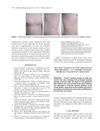
March 2011 in “Pediatric Dermatology” Two Sikh brothers developed permanent hair loss from wearing turbans tightly, a condition that became apparent after they moved to Austria.
EMTV news harms nation-building in Papua New Guinea by promoting Western values and negative stories, creating a biased and divisive cultural image.
May 2024 in “International journal of medicine and psychology.” Most young people in Vladivostok view COVID-19 vaccination positively but value personal freedom and have mixed feelings about restrictions and vaccine safety.
1 citations
,
December 2024 in “The Journal of Dermatology” Traumatic stress and alexithymia may contribute to alopecia areata.
Personality traits significantly influence hair loss in women.
January 2018 in “bioRxiv (Cold Spring Harbor Laboratory)” The mutant HR bmh protein mis-localizes in cells, affecting skin and hair development.
 29 citations
,
September 1989 in “Journal of The American Academy of Dermatology”
29 citations
,
September 1989 in “Journal of The American Academy of Dermatology” Abnormal scalp whorls can indicate brain development issues but may also be seen in neurologically normal people.
October 2007 in “European Neuropsychopharmacology”