 March 2021 in “Research Society and Development”
 A blue Staffordshire Bull Terrier had hair loss due to color dilution alopecia, confirmed by tests, but no treatment was pursued.
 235 citations
,
June 2021 in “International Journal of Molecular Medicine”
235 citations
,
June 2021 in “International Journal of Molecular Medicine” Kidney stones form due to factors like urine concentration, calcium deposits, hormones, gut bacteria, and immune response.
 68 citations
,
May 2011 in “European Journal of Dermatology”
68 citations
,
May 2011 in “European Journal of Dermatology” Acne is caused by genetics, diet, hormones, and bacteria, with treatments not yet curative.
 33 citations
,
February 1996 in “Journal of The American Academy of Dermatology”
33 citations
,
February 1996 in “Journal of The American Academy of Dermatology” Treat scalp and beard fungal infections early with oral antifungal medication and sometimes topical therapy, avoiding unnecessary allergy tests and surgery.
 11 citations
,
June 2011 in “Expert Review of Dermatology”
11 citations
,
June 2011 in “Expert Review of Dermatology” Skin reactions to drugs are common and can be deadly, usually requiring stopping the drug and may be better prevented with genetic testing in the future.
 8 citations
,
January 2021 in “Smart materials in medicine”
8 citations
,
January 2021 in “Smart materials in medicine” The new hydrogel is good for wound dressing because it absorbs water quickly, has high porosity, can release drugs, fights bacteria, and helps wounds heal with less scarring.
 4 citations
,
November 2016 in “Pediatric Clinics of North America”
4 citations
,
November 2016 in “Pediatric Clinics of North America” The document explains the difficulty in diagnosing and treating brain diseases caused by the immune system and stresses the need for quick and accurate tests.
 2 citations
,
December 2020 in “Phytomedicine plus”
2 citations
,
December 2020 in “Phytomedicine plus” Taking Saw palmetto and Pygeum africana can change the levels of certain steroids in urine, which could cause confusion in doping tests.
 January 2023 in “Brazilian Journals Editora eBooks”
 The document concludes that Passiflora incarnata may help with anxiety, healthcare workers need mental support, common bacteria cause hospital UTIs, telehealth for heart failure needs research, kids' screen time has increased, pregnant teens are mostly okay with their body image, diagnosing post-surgery tuberculosis is hard, older and severely ill people are more likely to have long COVID symptoms, and psychiatrists should be part of pain management teams.
 310 citations
,
November 2011 in “Environment International”
310 citations
,
November 2011 in “Environment International” Anticancer drugs are increasingly found in surface waters, and their long-term environmental effects are not well understood, requiring better testing methods.
 8 citations
,
July 2018 in “European Journal of Dermatology”
8 citations
,
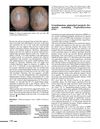
July 2018 in “European Journal of Dermatology” A medication may help with hair growth in psoriasis, and a skin condition might be linked to a specific bacteria.
 4 citations
,
January 1974 in “The BMJ”
4 citations
,
January 1974 in “The BMJ” All medications can cause skin rashes, often without a clear cause, and better tests are needed to identify these drug-related skin issues.
 May 2020 in “International Journal of Engineering Applied Sciences and Technology”
 Bioactive plant materials like lemon, garlic, and neem effectively fight harmful bacteria.
 February 1938 in “Journal of the American Medical Association”
 Washing can prevent cancer from lubricating oils, extreme body temperatures need more study, Sulfomid is not recognized, no reliable diphtheria carrier treatment except surgery, eyelid injuries should heal before repair, heterophile antibody test is specific for mononucleosis, chlorine inhalations for colds are outdated, and wheat germ is safe.
9 citations
,
June 2020 in “Trials” The trial aims to test if spironolactone is an effective acne treatment for women without the side effects of current treatments.
 May 2024 in “Indian Dermatology Online Journal”
 A rare bacterial infection of pubic hair can cause strong genital odor, but trimming hair and using clindamycin can quickly fix it.

Certain gut bacteria may protect against or increase the risk of hair loss.
8 citations
,
November 2024 in “Journal of Neuroendocrinology” Gut bacteria affect steroid levels, influencing health conditions and potential treatments.
4 citations
,
July 2024 in “Skin Research and Technology” Certain bacteria may influence alopecia areata risk, but skin bacteria don't mediate gut-skin effects.
3 citations
,
May 2012 in “Journal of Biological Macromolecules” Keratin film can effectively mimic human hair for testing hair damage.
Gut bacteria pathways may help treat hair loss in obese people.
January 2024 in “Frontiers research topics” Comprehensive genetic testing and international collaboration are crucial for better understanding and managing Ehlers-Danlos syndromes.
26 citations
,
September 2014 in “Neuroscience Letters” Metformin protects hair cells in lab tests but not in live animals.
24 citations
,
September 2020 in “Pharmaceutics” Lidocaine-loaded microparticles effectively relieve pain and fight bacteria in wounds.
 5 citations
,
October 2022 in “Cosmetics”
5 citations
,
October 2022 in “Cosmetics” Cell-based models help test if cosmetic ingredients really work for hair growth and skin health.
5 citations
,
August 2013 in “Integrative Zoology” Feathers in diet increase gut bacteria diversity in Arctic foxes.
3 citations
,
January 2024 in “Allergy Asthma and Immunology Research” Understanding the skin's bacteria and chemicals may help manage scalp issues in atopic dermatitis.
3 citations
,
August 2022 in “Molecules/Molecules online/Molecules annual” A new strain of bacteria from the human skin can help prevent hair loss.
1 citations
,
October 2025 in “Micromachines” Portable point-of-care testing can improve quick and accurate genetic disorder detection.
 May 2025 in “Annals of surgical case reports & images.”
 Certain gut bacteria may protect against hair loss, while others may increase the risk.